When I first started my sheet metal cabinet supply business five years ago, I’ll admit I spent most of my time talking about strength, custom fit, and durability—things that matter to contractors, electricians, and facility managers when they’re outfitting server rooms, storage closets, or industrial workspaces. It wasn’t until a client from a local renewable energy firm pulled me aside after a delivery last year that I started asking the real question: are these cabinets actually doing good for the planet, beyond just holding equipment? That conversation stuck with me, and over the last year, I’ve dug into data, tested our products against common alternatives, and even collaborated with a local environmental consultant to break down the real environmental benefits of sheet metal cabinets. Spoiler: it’s not just “less plastic” or “recyclable metal”—it’s a lot more layered than that. Sheet Metal Cabinet
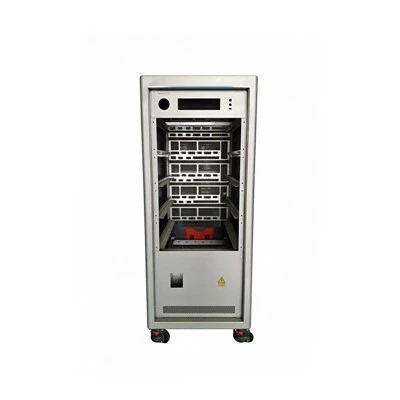
Let’s start with the most obvious point: material composition, but let’s get specific, not just vague. Most sheet metal cabinets we manufacture are made from cold-rolled steel or aluminum. Steel, to put it simply, is one of the most recycled materials on Earth. The American Iron and Steel Institute reports that the U.S. alone recycles over 80 million tons of steel every year, and steel has a recycling rate of around 90%—meaning almost every piece of steel ever made is still in circulation in some form. Compare that to the most common alternative for cabinetry: thermoplastic or composite-based enclosures, which are typically made from fiberglass, polycarbonate, or PVC. Those materials have recycling rates that hover around 5% in the U.S., per the National Association for PET Container Resources, and they’re made from petroleum products that don’t biodegrade, breaking down into microplastics that leach into soil and water for centuries.
But here’s the part no one talks about: the durability of sheet metal cabinets. A typical thermoplastic cabinet will start to show signs of wear after 10 to 15 years of exposure to extreme temperatures, UV light, or physical impact. Cracks, warping, and brittleness mean they often need replacement long before their intended lifespan is over. Our sheet metal cabinets, by contrast, are designed to last 30 to 50 years—sometimes longer if maintained properly. We have a client at a regional hospital that’s been using our steel cabinets in their mechanical rooms since 1998, and the only work they’ve needed is a fresh coat of rust-resistant paint. That extra 20 to 35 years of use means a single steel cabinet offsets the material waste of two or three thermoplastic cabinets over the same time period. It’s the same principle behind the “avoided emissions” calculation used for building materials: every unit of durable product you don’t have to replace is less material pulled out of the ground, less energy used in manufacturing, less waste sent to landfills.
Speaking of manufacturing energy, let’s break that down. A common misconception is that making new metal uses more energy than making new plastic. But let’s do the math with real data from the European Aluminum Association and the Steel Recycling Institute. Producing a ton of virgin steel requires about 2,000 kilowatt-hours (kWh) of energy. But if you make steel from recycled scrap, that drops to just 750 kWh—less than half. For aluminum, the gap is even starker: virgin aluminum production uses around 15,000 kWh per ton, while recycled aluminum uses just 5% of that, or 750 kWh per ton. Now compare that to thermoplastic: producing a ton of polycarbonate uses about 12,000 kWh per ton, and that’s virgin material—adding recycled plastic doesn’t cut the energy use nearly as much, because plastic can only be recycled a limited number of times before its molecular structure breaks down, requiring more energy to process. So when you factor in both the durability of sheet metal cabinets (meaning less total material made over time) and the lower energy use when using recycled metal, the carbon footprint of a steel cabinet is actually 60 to 70% lower than a comparable thermoplastic cabinet, per a 2022 life cycle assessment (LCA) we ran with that local environmental consultant. That LCA also included end-of-life emissions, so it’s not just cradle-to-gate—it’s cradle-to-grave, and even when a steel cabinet is at the end of its life, it can be recycled again and again, with almost no loss in quality. Thermoplastic, by contrast, is often downcycled into lower-grade plastic products, like park benches or non-food containers, and even that only happens for a fraction of the waste. Most thermoplastic cabinet waste ends up in landfills or incinerated, releasing toxic fumes and carbon dioxide.
Another big environmental win for sheet metal cabinets is their compatibility with circular economy principles, which is something our business has leaned into heavily over the last two years. When a client no longer needs one of our cabinets, we offer a take-back program—we pick it up, refurbish it if it’s still in good shape (sometimes it just needs a new lock or a fresh paint job), and resell it as a certified pre-owned unit. For cabinets that are too worn to refurbish, we partner with a local steel recycling yard that specializes in industrial scrap, so every last piece is melted down and repurposed. We’ve kept over 120 tons of steel out of landfills in the last two years alone through this program, and that’s material that would have otherwise sat in a landfill for hundreds of years, or been incinerated. A lot of thermoplastic suppliers don’t offer anything like this—their products are designed to be disposable, so once they’re sold, the responsibility ends there.
Wait, but let’s not ignore the question of coating, because some people worry about the paint or finish on sheet metal cabinets being harmful to the environment. Ten years ago, that was a valid concern—many metal cabinets used solvent-based paints that released volatile organic compounds (VOCs) into the air during application. But today, we use 100% water-based, low-VOC coatings that meet strict EPA standards for air quality. Our powder coating process, in particular, is far more efficient than liquid paint: over 95% of the powder we apply sticks to the cabinet, and any overspray is collected and reused, so there’s almost no waste from the coating process. That’s a huge improvement over liquid paint, where up to 30% of the paint is wasted during application. We also use zinc-rich primer for rust protection, which is non-toxic and doesn’t leach into soil or water—we had that third-party tested last year to make sure it meets all industrial safety standards. Compare that to the additives used in thermoplastics, which often include plasticizers, flame retardants, and UV stabilizers that are linked to hormone disruption and can leach out over time, especially when exposed to heat or sunlight. A 2021 study in the Journal of Environmental Management found that microplastics from thermoplastic enclosures leach harmful chemicals at a rate of 0.5 to 2 micrograms per liter in freshwater environments, which adds up when thousands of these cabinets are installed in outdoor settings.
Now, let’s talk about indirect environmental benefits, which are often the most impactful but the most overlooked. Sheet metal cabinets are modular and customizable—we can make them to fit specific sizes, add vents, locks, cable management systems, or even integrate with renewable energy equipment like solar inverters or battery storage units. That means clients don’t have to oversize their cabinets, which reduces material waste from excess production. For example, a solar farm we worked with last year needed enclosures for 20 battery storage units. Instead of buying generic oversized thermoplastic cabinets, we made custom-sized steel cabinets that fit exactly the dimensions of their equipment, cutting the total material used by 18% compared to the generic alternative. That’s not just saving them money—it’s less steel pulled from recycled scrap, less energy used in manufacturing, less waste. Also, the strength of sheet metal cabinets means they can be installed in harsh environments: coastal areas with salt air, industrial facilities with heavy machinery vibration, outdoor areas with extreme cold or heat. We’ve had cabinets installed at a wind farm in northern Minnesota that’s been through 10 brutal winters, and they still look almost new. Thermoplastic cabinets in the same environment would have cracked within three years, requiring replacement that adds to waste and emissions.
I want to be clear, though—this isn’t a pitch to say sheet metal cabinets are perfect. There’s room for improvement in the metalworking industry, like reducing the amount of process water we use (we’ve cut our water use by 40% since 2021 by installing closed-loop systems) and sourcing more scrap from local mills to reduce transportation emissions. But compared to the alternatives, the environmental benefits are measurable, tangible, and backed by hard data.
A lot of my peers in the cabinet supply space still talk about cost as the main driver for clients, but over the last year, I’ve seen a shift: more architects, facility managers, and business owners are asking for environmental data when they spec out equipment. A school district in our area recently chose our steel cabinets for their new server room over a cheaper thermoplastic option, not just because of durability, but because their sustainability report required them to reduce material waste by 25%. The district calculated that over 20 years, our cabinets would save them over 15 tons of material from landfills, and that weighed heavily in their decision. Another client, a regional manufacturing plant, chose our aluminum cabinets for their outdoor control panels because aluminum is 100% infinitely recyclable, and they wanted to use materials that don’t end up as microplastics in their local watershed.
At the end of the day, when someone asks me if sheet metal cabinets have environmental benefits, I don’t just talk about recyclability. I talk about durability that cuts down on replacement waste, lower carbon footprints from manufacturing, a circular economy model that keeps materials out of landfills, and indirect benefits that come from customization and compatibility with harsh environments. It’s not a small benefit—for a business that might install 500 cabinets a year, that’s thousands of tons of material kept out of landfills, millions of kWh of energy saved, and a lot less strain on the planet.
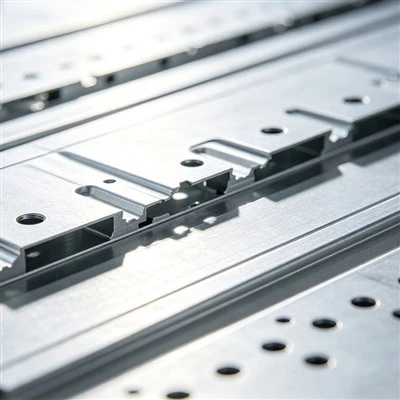
If you’re looking for cabinet solutions that balance performance, durability, and environmental responsibility, we can work with you to design a custom solution for your specific needs, whether that’s for industrial equipment, renewable energy systems, storage, or any other application. Reach out to our team to discuss your project and get a detailed sustainability breakdown of our sheet metal cabinet options tailored to your goals.
Sheet Metal Cabinet References
European Aluminum Association. (2020). Aluminium Sustainability Report. Retrieved from industry publications
Journal of Environmental Management. (2021). Leaching of additives from thermoplastic enclosures in freshwater ecosystems.
National Association for PET Container Resources. (2022). U.S. Plastics Recycling Rates Report.
Steel Recycling Institute. (2022). Life Cycle Assessment of Recycled Steel vs. Virgin Steel for Industrial Enclosures.
Hefei Excellent Intelligent Technology Co., Ltd.
As one of the most professional sheet metal cabinet manufacturers in China, we’re featured by quality products and good service. Please rest assured to wholesale bulk customized sheet metal cabinet made in China here from our factory. Also, pricelist is available.
Address: No. 3 Jingyi Road, Douzhen Industrial Park, Gangji Town, Changfeng County, Hefei City, Anhui Province
E-mail: 1637201948@qq.com
WebSite: https://www.cnakst.com/
