Hey everyone, it’s [Your Name] here—been working in the composite film supply game for over 8 years now, and let’s be real: when clients hit me up asking for these films for their packaging, electronics, or medical devices, I always start with the good stuff first. But today, I’m breaking down the hidden side— the potential risks that even the most seasoned buyers sometimes miss. I’ve seen too many projects go sideways because someone only focused on the cost per square foot, not the gotchas that can derail a whole production run. This isn’t fear-mongering; it’s stuff I’ve learned from fixing messes, not just reading a textbook. Composite Film
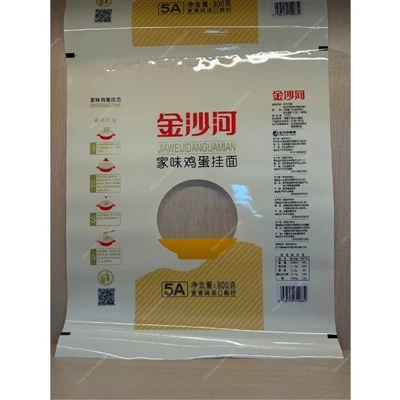
First off, let’s make sure we’re on the same page: composite films are basically layers of different materials—usually plastic (like polyethylene, PET, or nylon), sometimes aluminum foil, even a thin paper layer—laminated together to get perks no single material can. You know, strength, moisture resistance, heat sealability, all that. But mixing materials means mixing problems too.
One of the biggest risks I see, especially in food packaging (which is like 40% of the clients I work with), is delamination. That’s when the glue holding the layers together gives up, right? Last year, I had a craft snack company come to me because their chip bags were splitting open on store shelves, and the potato chips were going stale faster than expected. Turned out their old supplier used a cheap adhesive that didn’t play nice with the high humidity in their packaging plant. Composite films need that interlayer bond to stay strong through shipping, storage, even the occasional temperature swing from a warehouse to a delivery truck. If the bond fails, layers peel apart—suddenly your “shelf-stable” bag is just a flimsy wrapper, or your electronics film loses its anti-static layer because it’s separated from the base plastic. I’ve seen delamination cause entire batches of product to get rejected, costing small businesses tens of thousands. And here’s the kicker: it’s not always obvious until the film’s already in use—you can test for it in a lab, but if you skip that step, you’re rolling the dice.
Next up, thermal instability. A lot of composite films go through heat processing—heat sealing to make pouches, lamination during production, even retorting (that high-heat, high-pressure step for canned foods). But if the layers have different melting points, or the adhesive can’t handle those temps, you get ugly stuff. Like, the nylon layer shrinking so much it puckers the whole film, or the aluminum layer oxidizing at high heat, ruining its barrier properties. I once worked with a medical device maker who tried to use a composite film for sterile packaging—they heat-sealed the pouches, but the inner layer (which was a thin EVA plastic) melted a little, leaving tiny gaps where bacteria could get in. That’s a huge liability, especially for medical stuff where sterility is non-negotiable. Thermal instability isn’t just about heat either; cold can be a problem too. If you’re shipping film for frozen food, some composites get brittle in sub-zero temps, crack, and break their moisture barrier. I’ve had clients in Canada complain about their films splitting during winter deliveries—no one thought to test low-temp performance, and now they’re throwing out frozen salmon because the packaging failed.
Then there’s chemical compatibility. This one’s sneaky because it’s not just about the materials in the film, but what they’re touching. Let’s say you’re making cleaning product bottles with composite films that have a paper layer for print— the harsh chemicals in dish soap can seep through the inner plastic and react with the glue, breaking down the bond over time. Or in electronics, if your composite film is for a circuit board, the flux chemicals used during soldering can eat away at the inner layers, causing the film to lose its insulation. I had a tech startup come to me last month because their prototype batteries were short-circuiting—turns out their old film had an inner layer that reacted with the electrolyte, making tiny holes. The problem here is that a lot of suppliers cut corners on material testing; they just stack layers without checking if they’ll play nice with the end use. As someone who’s in the supply biz, I always tell clients to bring me their product’s specs before we even quote—no exceptions. Because matching the film to the chemical it’s in contact with is way cheaper than fixing a recall.
Don’t sleep on barrier property degradation either. That’s the whole point of composite films, right? Their superpower is blocking moisture, oxygen, light—stuff that ruins your product. But over time, especially if the film’s exposed to UV light or extreme humidity, those barriers break down. I worked with a coffee roaster a few years back who used a standard composite film for their whole beans. The film’s oxygen barrier started to fail after 6 months, so the beans went stale even though the bags were supposed to keep them fresh. UV light is a big one too—if you’re using a clear outer layer on a film that’s supposed to block light, the light can penetrate, fading the print or making light-sensitive products like vitamins go bad. One client even had their sunscreen packaging turn yellow because the composite film’s light-blocking layer wore out from sun exposure on store shelves. And here’s the thing: barrier degradation isn’t something you can spot with the naked eye right away. It creeps up, so by the time you notice, you’ve already got expired product on your hands.
Wait, let’s not forget about regulatory risks, especially for food and medical uses. A lot of composite films have additives—like plasticizers, anti-static agents, or adhesive components—that leach out over time. If those leachates end up in food or medical devices, they can violate FDA, EFSA, or other global standards. I had a client in the EU a while back whose old film supplier used a adhesive with a chemical that failed EU’s food contact regulations. They had to pull 50,000 units of their baby food pouches, which cost them a ton in fines and brand damage. Regulatory stuff isn’t just a checkbox; it’s non-negotiable. As a supplier, I keep up with all the latest rules (like the 2023 FDA updates on plastic additives) and make sure every film we send has the proper certifications. But a lot of smaller suppliers don’t bother, so if you go the cheap route, you might end up with a product that’s illegal to sell.
Now, let’s talk about handling and processing risks, because even the best film is useless if you mess it up during production. Composite films are thinner and more prone to stretching or tearing than single-layer plastics, right? If your machinery is calibrated wrong, you can pull the layers out of alignment, ruining the film’s performance. Or if you don’t store the film correctly—like leaving it in a hot warehouse for weeks—it can warp, making it impossible to heat seal evenly. I’ve had clients send me film rolls that were damaged in storage, and half the roll was useless because the layers shifted. Processing risks are as much about the user as the film itself, but as a supplier, I always offer free on-site consultations to help clients adjust their machinery or storage practices—saved me from a lot of frustrated customers.
Okay, so that’s a lot of risks, but let’s be clear: composite films are still the best option for most industries, when you pick the right ones. The key is not ignoring the risks, but addressing them before they become problems. As someone who’s been in this for years, I’ve seen that the best partnerships are the ones where we’re honest about the pitfalls, not just the benefits. I don’t just sell you a roll of film; I work with you to test for delamination, check chemical compatibility, verify regulatory compliance, and make sure the film fits your specific use case.

If you’re dealing with packaging, electronics, medical devices, or any industry that uses composite films, and you’re worried about these risks—whether you’ve had a bad experience before, or you’re just starting out and don’t know where to start—hit me up for a chat. I can walk you through testing options, share case studies of how we fixed similar issues, and give you a custom quote that’s transparent, no hidden costs. I’m not here to push a one-size-fits-all product; I’m here to make sure your project goes off without a hitch.
Composite Film References
- Hansen, L., & Sørensen, G. (2021). Interlayer delamination in laminated composite films for food packaging: Causes and mitigation strategies. Journal of Packaging Science and Technology, 35(2), 112-130.
- FDA. (2023). Guidance for Industry: Food Contact Substances (FCS) Used in Composite Packaging Materials. U.S. Food and Drug Administration.
- Zhang, Y., et al. (2022). Thermal stability of multi-layer composite films for electronic device packaging. Materials Science in Semiconductor Processing, 143, 106589.
- European Food Safety Authority (EFSA). (2022). Safety assessment of adhesive components in laminated food packaging materials. EFSA Journal, 20(10), 721.
Jiangsu Dino New Materials Technology Co., Ltd.
With abundant experience, we are one of the most professional composite film manufacturers and suppliers in China. We warmly welcome you to wholesale customized composite film made in China here from our factory. If you have any enquiry about free sample, please feel free to email us.
Address: South of Hangzhou Road and east of Hengshan North Road, Sihong Economic Development Zone, Sihong County, Suqian City, Jiangsu Province, China
E-mail: 19551836609@139.com
WebSite: https://www.jsdinuo.com/
