If you’ve ever stood in a substation at dawn, watching the hum of high-voltage (HV) switchgear keep power flowing to entire towns, you know that this equipment isn’t just metal and wiring—it’s the backbone of reliable electricity delivery. As a supplier of HV switchgear for over a decade, I’ve seen firsthand how even a small, overlooked fault can turn a routine operation into a costly outage: last year, a client in the Midwest lost 12 hours of power to a factory because a corroded bushing seal wasn’t checked during a quarterly inspection, costing them an estimated $2.3 million in lost production. That’s why I want to pull back the curtain on the most common HV switchgear faults we see in the field, how to spot them early, and why partnering with a supplier who prioritizes proactive support matters more than just buying a piece of equipment. High Voltage Switchgear
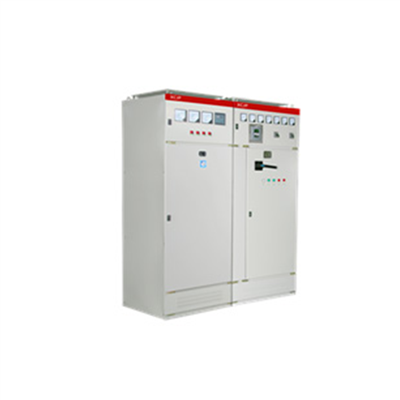
First, let’s define HV switchgear for context: it’s the assembly of circuit breakers, disconnect switches, fuses, busbars, and control relays that manages, protects, and isolates electrical equipment in systems above 1,000 volts. It’s built to withstand extreme temperatures, heavy loads, and years of use, but it’s not indestructible. The most frequent faults we encounter break down into three core categories: electrical, mechanical, and environmental. Let’s dive into each, because understanding these is the first step to preventing unplanned downtime.
Electrical faults are the most urgent, since they can cause arc flashes—deadly events that release temperatures of up to 35,000°F (hotter than the surface of the sun) and shrapnel. The top electrical fault we see is insulation degradation, usually from tracking and surface contamination. Tracking happens when dust, dirt, or moisture accumulates on insulation surfaces, creating a conductive path for electricity. For example, a rural substation in Texas that’s exposed to seasonal dust storms will build up a thin layer of grime on busbar insulators over time; if left unchecked, that grime can create a low-resistance path between phases, leading to a short circuit. What’s tricky about insulation degradation is it’s often gradual: we’ve had clients wait until an insulation resistance test (IR test) dropped below industry standards to catch it, but by then, the damage was already done.
Another common electrical fault is contact resistance rise. HV switchgear relies on tight, clean contacts to carry current without overheating. Over time, thermal expansion and contraction (from daily load swings and temperature changes) can loosen contact bolts, or oxidation can build up on contact surfaces. When resistance rises, the contacts generate excess heat—sometimes enough to melt adjacent components. Last year, a client in Canada had a 138kV breaker fail because of this: the contact arms had loosened after two cold snaps, leading to a 20°C temperature rise that warped the contact tip, and the breaker couldn’t open during a grid fault. A quick thermal scan (a service our team offers) would have caught that 3 months earlier, avoiding the outage.
Now, mechanical faults are the most common by volume, because HV switchgear has dozens of moving parts that take a beating. The top mechanical fault we see is circuit breaker mechanism wear. Circuit breakers operate hundreds of times over their lifecycle, and parts like operating springs, linkages, and latch mechanisms degrade with use. We recently visited a substation in Ohio where a 20-year-old breaker failed to trip during a ground fault because its operating spring had lost tension; the breaker didn’t move fast enough, leading to a 2-hour outage for a local hospital. Mechanism wear often shows early signs: unusual clicking when the breaker operates, or increased force needed to close it. Regular lubrication (a routine service we provide) can extend mechanism life by 15 to 20 years, so we always emphasize that to clients.
Another widespread mechanical fault is busbar misalignment. Busbars carry high current between components, and if they’re misaligned during installation (or shift over time from ground settling), they can create excessive stress on insulators or cause partial discharge. We worked with a utility in Pennsylvania that had to replace 12 busbar insulators after misalignment caused cracking; the utility had skipped a post-installation alignment check, a mistake that cost them over $50,000 in parts and labor. Even minor misalignment—just a few millimeters—can lead to long-term issues, so we include a full alignment verification in every HV switchgear installation we complete.
Environmental faults might be the most preventable, but they’re still a top cause of failures in regions with harsh climates. The biggest environmental culprit is moisture intrusion, especially in enclosed switchgear cabinets. If seals around doors, vents, or cable glands fail, humidity or even water can get inside, leading to corrosion on electrical components or insulation breakdown. For example, a coastal substation in Florida deals with saltwater spray, which eats away at steel busbar enclosures over time; we’ve seen enclosures develop holes that let in enough moisture to cause busbar corrosion within 3 years. Proper sealing (using gaskets rated for salt spray, a feature we build into all our outdoor switchgear) and regular seal inspections can eliminate this fault. Extreme temperatures are another environmental factor: in desert regions, high heat can degrade plastic insulation and cause lubricants in mechanisms to thin, while freezing temperatures can freeze operating fluids and make breakers too stiff to move. That’s why we design our HV switchgear with climate-specific options, like heat trace cables for cold climates and high-temperature insulation for arid regions.
Now, let’s talk about what makes these faults so easy to miss—many clients only check their switchgear during annual walkthroughs, but that’s not enough. A 2022 study from the IEEE Power & Energy Society found that 60% of HV switchgear failures could have been prevented with quarterly inspections and condition monitoring. That’s where our role as a supplier goes beyond just selling equipment: we offer condition monitoring services, including infrared thermal scans, partial discharge testing, and annual mechanical inspections, to catch faults before they cause outages.
I want to be transparent, though—we’ve also seen clients cut corners by choosing cheaper, lower-quality switchgear that has higher inherent fault rates. Last year, a client opted for a generic HV breaker that cost 20% less than our model, and it failed 18 months later because its contact material was a lower-grade alloy that oxidized quickly. While the upfront cost was lower, the outage cost them 10 times more. That’s why we always advise clients to prioritize quality over price when it comes to HV switchgear—this isn’t equipment you want to replace every few years.
If you’re dealing with existing HV switchgear that’s showing signs of faults, there are a few actionable steps you can take: first, schedule an IR test and partial discharge test to spot electrical issues; second, do a full mechanical inspection of circuit breaker linkages and contact resistance; third, check all seals and vents for environmental intrusion. And if you’re looking to upgrade or replace aging switchgear, don’t hesitate to reach out to our team to discuss your needs—we work with utilities, industrial facilities, and commercial campuses to design HV switchgear solutions that are tailored to your climate, load, and maintenance schedule. We don’t just sell equipment; we partner with you to keep your power flowing reliably, because we’ve seen too many times what a small fault can do.
High Voltage Switchgear References:
- IEEE Power & Energy Society. (2022). Common Failure Modes of Medium and High Voltage Switchgear. IEEE Transactions on Power Delivery, 37(4), 2891-2899.
- International Electrotechnical Commission. (2021). Maintenance Guidelines for High Voltage Switchgear. IEC Standard 62271-301.
- North American Electric Reliability Corporation. (2023). Distribution Substation Outage Root Cause Analysis Report. NERC Report 23-RC-001.
Anhui Xinchen Electrical Equipment Co., Ltd.
We are one of the most reliable high voltage switchgear manufacturers and suppliers in China, specialized in providing high quality customized products. We warmly welcome you to buy bulk high voltage switchgear for sale here from our factory. Contact us for quotation.
Address: No. 8, Waihuan South Road, Economic and Technical Development Zone, Ningguo City, Xuancheng City, Anhui Province
E-mail: xinchen0316@126.com
WebSite: https://www.cn-xinchen.com/
