Hey everyone, I’m Jake, part of the team here at [your brake hose supplier name]—and for years, I’ve dealt with every random question you can imagine about brake hoses. But last month, I got one that made me do a double take: “Can a rat infestation actually ruin my brake hoses?” At first, I wrote it off as a weird ask… until I started digging into it, and realized it’s way more common (and way more serious) than I ever thought. And as someone who’s spent their whole working life making and selling brake hoses, I felt like I owed it to you to lay out the facts straight. Let’s dive in. Brake Hose
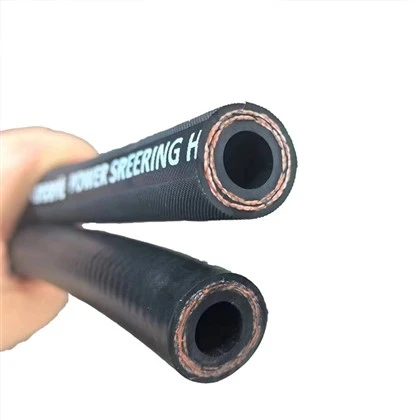
First off, let’s get something basic out of the way: what even are brake hoses, anyway? They’re the flexible rubber lines that carry brake fluid from your car’s metal brake lines (the hard ones running along the frame) to the calipers or wheel cylinders at each wheel. Think of ’em as the only part of your brake system that moves with the wheels—since they’re flexible, they bend when you turn or drive over bumps. That flexibility is key, but it’s also what makes ’em a target for… well, hungry critters. Rats, mice, squirrels—they love chewing on stuff, and if your brake hose is in their way, they’ll go for it. But let’s break this down scientifically, not just a story about a rodent with a snack addiction.
Brake hoses aren’t just plain rubber, by the way. The good ones (which is what we make at our shop) have layers: a synthetic rubber inner tube that holds the brake fluid, a braided metal layer wrapped around it for strength, and an outer rubber cover to protect everything from road debris, heat, and weather. That outer rubber is usually made from EPDM (ethylene propylene diene monomer) or sometimes neoprene—materials designed to be durable, resistant to oil, heat, and UV rays. But here’s the thing: rats don’t care about “designed to be durable.” They chew to wear down their constantly growing incisors, right? Those teeth never stop growing, so they need to gnaw nonstop to keep them from overgrowing. Rubber, even tough outer rubber, is a fine target for that.
Now, let’s talk about how a rat infestation actually damages brake hoses. It’s not just a tiny hole chewed in the outer cover—though that’s bad enough. If they get through the outer rubber, they’ll start on the braided metal layer. Once the metal is nicked, rust sets in, even if it’s a tiny nick. Because brake hoses are under pressure—when you hit the brakes, brake fluid pushes through them at like 1,000 to 2,000 PSI, depending on your car. That’s way more pressure than a garden hose, for reference. So even a small tear in the inner rubber tube (from the rats) means that pressurized fluid can leak out fast.
I once had a customer bring in a 2018 Honda Civic that had been sitting in his garage for three months while he was out of town. He came back, went to leave, hit the brakes, and the pedal went straight to the floor. Turns out, a family of rats had nested in the wheel well, chewed through the outer cover of the front brake hose, the braided metal, and made a tiny hole in the inner rubber. By the time he pressed the brake, all the fluid was gone. That’s not just a minor repair—that’s a safety nightmare. Brake fluid leaks lead to total brake failure, which is how accidents happen. Scary stuff, right?
Wait, but not every chew on a brake hose from a rat leads to total failure. Sometimes, the outer cover gets chewed, but the inner layers are still intact. That’s the kind of thing people might miss. If you drive your car with a small chew mark on the outer cover, road grime, water, and salt can get in there, eat away at the braided metal, and cause rust over time. A rusted brake hose is weaker, so when you hit the brakes, it might bulge, leak, or even burst. We see this all the time in areas where winters are icy, and salt is spread on roads—add a rat chew mark, and that’s a perfect storm for a blowout.
Now, let’s get into why rat infestations are a bigger problem now than they used to be. A lot of people work from home, so their cars are parked in garages or driveways more. Others are buying older cars that might be stored outside, or have more places for rats to nest (like cluttered garages, piles of leaves, or wood near the house). Rats are also more adapted to urban and suburban areas, so they’re scrounging for food and shelter wherever they can find it—your car’s engine bay is warm, has lots of wires and hoses to chew, and if there’s any crumbs or debris under the hood, even better.
But here’s the part I want to make clear: not all brake hoses are equally vulnerable. Cheap, no-name brake hoses you might find at a random auto parts store? They often skimp on layers. Some have a super thin outer rubber cover, or even skip the braided metal layer entirely (shocking, I know). Those are way easier for rats to chew through. That’s why at our shop, we make brake hoses with a thick EPDM outer cover, a high-tensile steel braid, and a precision-molded inner tube—because we care about safety, not just cutting corners. A thick outer cover isn’t just for weather resistance; it’s a barrier against rodents too.
So how do you know if your car has a rat infestation that’s messing with your brake hoses? Let’s list the signs, because catching this early can save you from a dangerous breakdown. First, check under the hood and around your wheel wells for chewed rubber, small holes, or rat droppings (they’re tiny, dark, and shaped like rice grains). Second, if you notice your brake pedal feels “spongy” instead of firm, or it goes lower than usual when you press it, that could be a sign of a slow brake fluid leak—often from a rat-chewed hose. Third, if your car has been sitting unused for more than a week, go look at the hoses before you drive it; rats love undisturbed spaces to nest.
I once had a customer who ignored a spongy pedal for a month, thinking it was just old brake fluid. Turns out, a rat had chewed a small hole in the rear brake hose, and every time he parked the car, a little fluid leaked out. By the time he brought it in, the inner tube was almost completely severed. We had to replace both rear hoses, flush the entire brake system, and even replace the calipers because the leaked fluid had corroded them. It cost him way more than if he’d caught the chew mark early.
Now, let’s talk about what to do if you think rats are damaging your brake hoses. First, don’t just swap out the hose and call it a day—you need to get rid of the rat infestation, too. Otherwise, they’ll just chew the new hose. Set traps, keep your garage clean, store food in sealed containers, and maybe even use rodent repellents (we’ve had good luck with natural ones like peppermint oil, which rats hate). Second, get your brake hoses inspected by a professional. We offer free brake hose inspections here, because we want to make sure you’re safe. A quick visual check can catch a rat chew before it becomes a catastrophic leak.
Wait, but can a rat infestation also damage other parts of your car? Sure, wires, insulation, even air conditioning lines. But brake hoses are extra critical because of the pressure they’re under. A damaged brake hose doesn’t just mean you lose brakes— it means you can’t stop, which is a matter of life and death. As a brake hose supplier, I see way too many people brush this off as a minor annoyance, but it’s not. It’s a safety issue that needs to be taken seriously.
Let me also address a common myth: some people think rats don’t chew on brake hoses because they have chemicals in them. That’s half true—some manufacturers add repellents, but cheap ones don’t. And over time, those repellents wear off, so rats will go for it. Plus, if a rat is desperate for food or shelter, they’ll chew through almost anything. I’ve seen photos of rats chewing through brake hoses, electrical wires, even plastic fuel lines—so don’t rely on “rat-proof” hoses that are cheap and low-quality.
Here’s a real example from our shop: last winter, we had a guy come in with a 2020 Toyota RAV4. He’d parked it in his driveway for two weeks while he was on vacation. When he came back, he tried to leave, and the brakes went out. We looked under the hood, and there was a rat nest in the engine bay, with chewed through both front brake hoses. The outer covers were completely gone, the braided metal was rusted, and the inner tubes had holes in them. We replaced both hoses, and it cost him $450. If he’d checked the hoses before driving, he could’ve fixed it for half that, easy.
So what’s the takeaway here? First, yes, a rat infestation absolutely can damage brake hoses—badly. The combination of their chewing habits, the pressure in brake hoses, and the potential for leaks or total failure makes this a serious issue. Second, not all brake hoses are created equal. If you’re in the market for new brake hoses, make sure you’re getting ones with multiple layers, durable outer rubber, and a metal braid to resist both weather and rodent damage. Third, stay on top of your car’s condition—especially if you park it in a garage, leave it unused for long periods, or notice signs of rats.

If you’re worried about rats damaging your brake hoses, or you just need a reliable replacement (in case something does happen), we’re here to help. We make high-quality brake hoses designed to withstand everything from road debris to, yes, rodent gnawing. We also offer inspections and can walk you through how to check your own hoses at home. Whether you’re a mechanic, a car owner, or someone who just wants peace of mind about their brakes, we can work with you to get what you need. Hit us up to connect and talk through your needs—no hoops, no confusing forms, just straight talk about brake hoses that keep you safe.
Irregular Silicone Hose References:
- National Pest Management Association. (2022). Rodent Damage to Vehicles: Risks and Prevention.
- Society of Automotive Engineers. (2021). Performance Standards for Automotive Brake Hoses.
- U.S. Department of Transportation. (2020). Vehicle Brake System Safety Guidelines for Fluid Leaks.
Ningbo Haidu Auto Parts Co., Ltd.
As one of the most professional brake hose manufacturers and suppliers in China, we’re featured by cheap products and good service. Please rest assured to buy durable brake hose at competitive price from our factory. Also, OEM service is available.
Address: No21 zhoujialupeng,Zhushan Village,Lizhousub-district Yuyao City.Ningbo City,Zhejiang Province
E-mail: sale6@cnsiliconehose.com
WebSite: https://www.cnsiliconehose.com/
