If you’ve ever ordered custom medals for a marathon, a school’s sports day, a military achievement, or even a niche gaming tournament, you’ve probably stared at the final product and thought: that enamel finish makes all the difference. As someone who’s run a custom medal shop for over a decade—talking to clients, troubleshooting finishes, and watching trends shift year after year—I can tell you this isn’t a one-size-fits-all question. The “best” enamel type depends entirely on what your medal is for, how it will be used, and the vibe you want to give off. Let’s break down the most common options, their pros and cons, and when each makes sense, straight from the workshop floor where I’ve shipped thousands of these things. Custom Medal
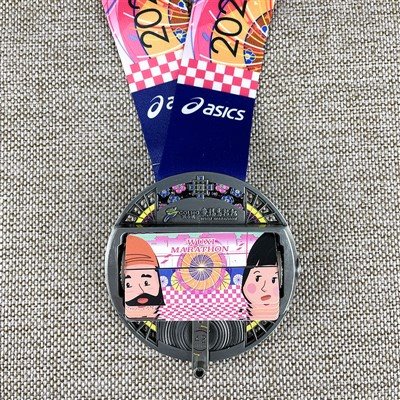
First, let’s get one basic point out of the way: enamel isn’t just “colored paint.” When we talk about custom medals, enamel is a powdered or glass-based material that’s fused to the metal (usually brass, zinc alloy, or iron) with high heat. That fusion is why it doesn’t chip, fade, or scratch as easily as regular paint—something anyone who’s had a cheap, flaking race medal knows too well. There are three main enamel types we work with regularly, plus a couple of niche ones for special projects. I’ll start with the most popular, because it’s what 70% of my clients ask for first: soft enamel.
Soft enamel, also called “poke through enamel” in the trade, is the workhorse of the custom medal world. Here’s how it works: we stamp the metal base of your medal, then etch recessed lines (the “pokes”) where the color will go. We fill those recesses with liquid or powdered enamel, bake it, then sand the surface flat so it’s level with the raised metal edges. The result is that iconic, slightly textured colored fill that feels a little recessed to the touch, like you can run your finger along the Olympic rings and feel the gap between each color.
I love soft enamel for so many reasons, especially for new clients or projects with tight budgets. It’s way more affordable than the next option we’ll talk about, and it’s extremely durable. I’ve had clients order 10,000 soft enamel medals for a 5K race, then come back two years later with a handful of worn ones to replace—they still look almost identical to the day we shipped them. The texture is also a huge plus for branding and design. If you have a logo with tiny details, like a company crest with thin lines or small text, soft enamel lets those lines pop because the color is tucked away in the recess. For example, last year a local youth soccer league came to me with a medal design that had 12 tiny stars along the edge, each only 2mm wide. With soft enamel, those stars stay crisp; with other finishes, they often blur together.
That said, soft enamel isn’t perfect. Because the surface is sanded flat after baking, it can have a slight matte finish, which some clients want, but if you’re going for a shiny, glossy look, soft enamel won’t deliver that. Also, if you have a design with very few color areas, or large, flat color blocks, soft enamel might feel a little plain. Another thing to note: because the edges are raised, if you touch the medal too roughly, or it’s banged around in a race bag with other medals, the raised metal can catch on fabric and pull a tiny bit of enamel loose—though that’s rare if the medal is manufactured properly, not rushed.
Now, for the premium option that’s taken over award ceremonies, high-end marathons, and luxury custom projects in the last five years: hard enamel. You might also hear it referred to as “epoxy enamel” or “mirror enamel,” though technically epoxy is a top coat, not the enamel itself. Here’s the difference: with hard enamel, we don’t etch deep recesses for the color. Instead, we lay a thin layer of enamel over the entire metal surface, then bake it. Once it’s cool, we grind down the raised areas (the “designs”) so the enamel is flush with the metal, then apply a clear epoxy top coat that gives it that high-gloss, mirror-like shine.
Hard enamel is the finish you see on Olympic medals, PGA tour awards, and other high-profile recognition pieces. It’s sleek, polished, and looks like a miniature work of art on the surface. The clarity is unbeatable: tiny text, gradients, and even subtle color shifts look sharp and glossy, not textured. A few months back, a tech startup ordered hard enamel medals for their annual sales awards, and their design included a subtle blue gradient that went from light to dark across the front. Soft enamel can’t do gradients—each color is a separate fill, so gradients look chunky. Hard enamel blends those colors seamlessly, just like the big, expensive awards.
Durability-wise, hard enamel is even tougher than soft enamel, because it’s fused to the metal completely, with the epoxy top coat sealing it in. I’ve had a client fly me out to present 50 hard enamel medals to a team of astronauts, and they reported back that two years later, the medals had no scratches or fading, even when stored in their gear bags. The only downside? Price. Hard enamel is 30-50% more expensive than soft enamel, because it takes more steps—extra baking, grinding, the epoxy coat. It’s also not ideal for very small or complex designs, because the grinding process can wear down tiny raised edges. Last year, a client tried to put a hard enamel medal with a 1mm tall number on it, and by the time we ground it flat, the number was almost unreadable. For anything with super fine details, soft enamel or our third main type is better.
Speaking of that third type: epoxy enamel, often called “full epoxy” or “doming enamel.” This is a bit of a hybrid, and it’s perfect for clients who want the shiny look of hard enamel but don’t want to deal with the cost of full hard enamel. Epoxy enamel works on soft enamel’s base: we fill the recessed areas just like soft enamel, bake it flat, then pour a thick, clear epoxy dome over the entire medal. That dome gives it the glossy, raised, three-dimensional look of a hockey puck or a custom keychain, and it seals the soft enamel color in tight so it never chips or fades.
I recommend epoxy enamel a lot for casual events, youth sports, or souvenir medals. It’s cheaper than hard enamel, retains the textured, recessed look of soft enamel, and the dome gives it a fun, tactile feel—everyone loves running their finger over the round, glossy top of an epoxy medal. It’s also way more resistant to chipping if the medal is going to be tossed around, because the dome acts as a buffer. The only catch is that the dome can yellow over time if the medal is exposed to direct sunlight a lot, like if it’s displayed outside year-round. For a medal someone will wear around their neck occasionally, that’s not a problem, but for a permanent display piece, hard enamel is still the better long-term bet.
Now, beyond these three main types, there are a few specialty enamel options we use for really unique projects, and they’re worth mentioning if you have something outside the standard medal brief. For example, color-shifting enamel: it changes hue when you move it, like a teal that turns purple in the light. We only use this for high-end custom medals, because it’s more expensive, but it’s a showstopper—last year a brand ordered these for a 100-mile ultra marathon, and runners would post photos of their medals online talking about how the color changed from gold to red as they ran. Then there’s glow-in-the-dark enamel, which fills recessed areas that glow green or blue after being charged in light. We used this for a haunted 5K race, and the medals were a huge hit—runners could find their way back to the finish line with them at the dark post-race party.
A common mistake I see new clients make is picking the most expensive finish just because it looks flashy, without thinking about how the medal will be used. Let’s walk through a few scenarios to make this concrete. If you’re ordering 500 medals for a middle school field day, where kids will run around, tug on their medals on the playground, and probably keep them in a drawer for a week then forget about them, soft enamel is perfect. It’s cheap, durable, and the texture feels fun for kids. If you’re ordering 100 medals for a corporate sales achievement, where top performers will display them on their desks or wear them to industry events, hard enamel will give you that polished, professional look that matches the prestige of the award. If you’re ordering 1,000 medals for a casual beer festival, as souvenirs attendees will pin to their jackets, epoxy enamel is the sweet spot—glossy, fun, tough enough to handle being jostled in backpacks.
I also want to address a myth I hear all the time: that all enamel is the same, and that “painted” medals are just as good as enamel ones. Let’s clear that up. Painted medals use a spray or ink that sits on top of the metal, not fused to it. Within a year, that paint will chip, fade, or rub off, especially if the medal gets wet or is rubbed against other surfaces. Enamel, when applied and baked correctly, is a permanent part of the metal—it won’t chip, it won’t fade, and it will look like new for decades. That’s why all the medals we make use the fused enamel process, no cheap spray paint shortcuts.
Over the years, I’ve also learned that the best enamel type is often a balance of the client’s vision, their budget, and how they plan to distribute the medals. A few years back, a client came to me wanting medals for a small, local marathon, and they initially asked for hard enamel because they wanted it to look “premium.” When I broke down the cost, they realized their budget only covered half of that, and most of their runners were local, who might frame the medal or put it on a fridge. We went with soft enamel, and added a tiny epoxy dome over the finish line year text on each medal. It saved them 40% on cost, and runners still loved the final product—post-race photos of the medals went viral on their local running group’s social media. It was a perfect middle ground.
If you’re still not sure which enamel type is right for your custom medals, here’s a quick cheat sheet I keep taped to my workshop desk: For budget-friendly bulk orders, go soft. For high-end awards or display pieces, go hard. For fun, casual medals that need a glossy, durable finish, go epoxy. For specialty effects like color-shifting or glow-in-the-dark, ask us—we can adapt any of these enamel types to add unique touches.
At the end of the day, a custom medal is more than just a hunk of metal with a color on it. It’s a memory, a symbol of a finish, an award for hard work. The right enamel type turns that symbol into something someone will keep for years, not throw away after a month. I’ve seen runners cry when they get their first ultra marathon medal, top sales reps frame their annual awards on their walls for decades, kids proudly wear their sports medals to show and tell. The small choice of enamel isn’t trivial—it’s part of why that medal feels meaningful.

If you’re ready to start designing your custom medals, or just have questions about which enamel type fits your project best, don’t hesitate to reach out. We work with events, teams, companies, and individuals of all sizes, and we’ll walk through every step from design to shipping, no matter your budget or vision.
Sports Medals References:
- The Custom Medal Maker’s Handbook, 2nd Edition, Award Manufacturers Association, 2021
- “Enamel Finishes for Custom Recognition Products”, Custom Awards & Medals Quarterly, Vol. 18, No. 3, 2022, pp. 14-19
- Durability Testing of Medals for Endurance Events, Journal of Sports Product Design, Vol. 9, No. 2, 2023, pp. 45-52
- “Trends in Custom Medal Finishes for 2024”, Event Industry Review, Vol. 12, No. 4, 2024, pp. 22-27
Global Art Gifts Co., Ltd.
Global Art Gifts Co., Ltd. is one of the most professional custom medal manufacturers and suppliers in China. We are committed to providing high quality customized products with competitive price. Welcome to buy bulk durable custom medal in stock here from our factory. Also, pricelist is available.
Address: Hushan Tech Park, Shiwan, 516127 Huizhou China
E-mail: nicole@globalartgifts.com
WebSite: https://www.globalartgift.com/
