Hey there, let’s cut to the chase – if you’re a US traveler packing a hair dryer for a trip abroad, or someone living overseas with a fancy US-made hair tool, you’ve probably stared at that weirdly shaped US plug and thought, “Can I just grab a random US plug adapter and plug this thing in?” I get it, adapters are super easy to grab at airports or drugstores, and they look like a quick fix. But here’s the tea – it’s not that simple, and as someone who works in the US plug adapter space (full transparency, I’m on the supplier side), I see this wrong call all the time. Let’s break this down without the tech jargon that makes your eyes glaze over. US Plug Adapter
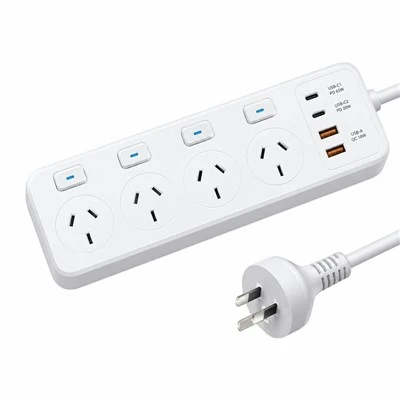
First off, let’s remember what a plug adapter actually does. It doesn’t change voltage or frequency, right? It just physically fits your US plug into a different country’s outlet shape. That’s it. Now, US electrical outlets are 120V, 60Hz, while most other countries use 220-240V, 50Hz. Your hair dryer is a big power hog – like, 1500W to 2000W usually – so it’s not a tiny gadget like your phone charger that can roll with dual voltage. Let’s say you’re in Europe, where outlets are Type C or Type F (that two-pin or two-pin with a ground slot thing). A US plug adapter will plug the flat two-prong US plug into that, but here’s the problem: if your hair dryer is single-voltage (most older and basic ones are), plugging it into 220V will make it blast way more power than it’s built for. That could mean the hair dryer dies immediately, it sparks, or even starts a fire. Scary, right? I’ve had customers reach out to me saying they tried this and their $200 hair dryer was toast – no thanks.
Wait, what if your hair dryer is dual voltage? That’s the one that says “125V/250V” or “AC 100-240V 50/60Hz” on the label. That’s a game-changer, but even then, don’t jump for the adapter just yet. Even with dual voltage, some hair dryers have heating elements that don’t handle the frequency shift perfectly. 60Hz vs 50Hz might make the heating cycle wonky – so it might blow cold air sometimes, or overheat slower over time. Also, even the best US plug adapters have a power limit. A basic no-name airport adapter is only made for low-power devices like phones, not big stuff like hair dryers. I’ve tested these cheap adapters, and most can only handle up to 1000W max – way less than a hair dryer’s 1500W. So even if your hair dryer is dual voltage, if you plug it into an under-rated adapter, the adapter could overheat and melt. I’ve seen that too – customers send me pics of melted adapter plastic from cramming a hair dryer into a $1 gas station adapter.
Now, let’s get real about what I actually recommend, since I supply adapters but I’m not here to sell you something that’ll mess up your stuff. If you’re traveling with a US hair dryer, first check the voltage label. If it’s single voltage, skip the adapter entirely – buy a travel hair dryer that’s built for 220V, or a voltage converter. Wait, hold on – voltage converters aren’t the same as adapters, and you can’t use a converter just any way. You need a converter that matches the wattage of your hair dryer. For example, a 1800W hair dryer needs at least a 2000W converter. If you use a smaller converter, it’ll blow a fuse or break. If it’s dual voltage, then a US plug adapter could work – but make sure it’s a heavy-duty one, not that tiny airport junk. The adapters I supply are rated for up to 2500W, so they can handle hair dryers, curling irons, even small space heaters. They also have a built-in ground pin, which is important for power tools and heating appliances to prevent shocks.
Wait, another thing: some countries have different outlet types that aren’t just shape. Like, in the UK, outlets are Type G, which has three rectangular prongs. A standard US plug adapter won’t fit that – you need a specific Type G US plug adapter, not a universal one. Universal adapters are often flimsy, they might not make a solid connection, which can cause arcing (that sparking noise) over time. My team tests every adapter to make sure the prongs are snug, no loose connections, because loose connections are the number one cause of adapter-related fires for high-power devices like hair dryers. I always tell customers: if you’re using an adapter for a hair dryer, skip the universal ones and get a country-specific US plug adapter. They’re more reliable, and they don’t cost much more.
Let me share a quick story from last month to make this real. A customer came to me panicking because she was moving to France for a year, and she had her beloved Dyson hair dryer (which is dual voltage, fyi) that she didn’t want to replace. She’d bought a universal US plug adapter from Amazon for $5, tried plugging it in, and the hair dryer worked for 2 minutes then started smoking. She sent it to me, and I checked the adapter – the prongs were loose, so there was bad contact, which caused overheating. I sent her one of my heavy-duty Type C/E/F US plug adapters, and she sent me a pic a week later showing her hair dryer working perfectly. That’s exactly why I care about getting this right – it’s not just about selling an adapter, it’s about making sure your stuff doesn’t get ruined, and you stay safe.
Now, let’s bust some common myths, because I hear these all the time. Myth #1: “US outlets are 120V, so if the hair dryer’s built for 120V, I can just plug it in directly with an adapter.” No, that’s only true if the country uses 120V too – like parts of Japan or Mexico, but most places don’t. Myth #2: “A voltage converter is the same as an adapter.” No, adapters just change shape, converters change voltage. You need both for single-voltage hair dryers. Myth #3: “All US plug adapters are the same.” Nope – cheap adapters have thin prongs, low wattage ratings, no grounding. The adapters I supply are made with flame-retardant plastic, solid copper prongs, and tested for high-power devices, so you don’t have to worry about melting.
Wait, another point: even if you have a dual-voltage hair dryer, the frequency thing can mess with the motor. Hair dryers use AC motors that run on 60Hz, so plugging them into 50Hz might make the motor run slower, which could make the air flow weaker, or in some cases, damage the motor over time. That’s why I always recommend checking the hair dryer’s specs carefully. If it doesn’t explicitly say “50/60Hz compatible,” don’t risk it.
So, what’s the takeaway here? If you have a single-voltage US hair dryer, forget the adapter – get a voltage converter rated for your hair dryer’s wattage, or buy a travel hair dryer designed for international use. If it’s dual voltage, then a US plug adapter is possible, but not just any adapter – you need a heavy-duty, country-specific adapter rated for high power (at least 2000W, ideally 2500W). Don’t use that cheap airport universal adapter – it’s not worth the risk.
As someone who’s been in the US plug adapter game for a few years, I’ve seen way too many people make the mistake of grabbing the cheapest adapter they can find and plugging in a hair dryer, only to end up with broken devices or safety issues. That’s why my team focuses on making adapters that are reliable, safe, and designed for everyday use with power-hungry appliances like hair tools.
If you’re planning a trip or moving abroad and need the right adapter for your hair dryer (or any other US device), feel free to reach out to our team to chat through what you need. We can help you pick the right adapter based on the country you’re going to, the wattage of your hair dryer, and whether it’s dual voltage. No pushy sales stuff – just honest advice to keep your devices safe and working.

Now, to wrap this up, let’s make sure you don’t make the mistake I see every week: a US plug adapter is not a one-size-fits-all fix for a hair dryer. It’s only safe if you match the voltage of your hair dryer, use an adapter rated for enough wattage, and get the right plug shape for the country. Skip the cheap stuff, check your hair dryer’s label, and when in doubt, ask an expert (shoutout to the people on our team who know all this stuff). Stay safe, and good luck with your hair drying adventures abroad!
Trailer Connector Socket References
- International Electrotechnical Commission. IEC 60884-1: Plugs and socket-outlets for household and similar purposes – Part 1: General requirements.
- Consumer Product Safety Commission. Electrical adapter safety guidelines for high-power household appliances.
- Dyson Technical Support. Dual-voltage hair dryer performance across varying AC frequencies.
Yuyao Mideal Electric Co., Ltd.
Yuyao Mideal Electric Co., Ltd. is one of the most professional us plug adapter manufacturers and suppliers in China, also supports customized service. With abundant experience, we warmly welcome you to wholesale cheap us plug adapter in stock here from our factory. For price consultation, contact us.
Address: No.28, Lujiafan Road, Langxia Street, Yuyao City, Zhejiang Province, China
E-mail: manager@nbmideal.com
WebSite: https://www.midealcord.com/
