If you’ve ever run your hand over a flock fabric surface—whether it’s the armrest of a favorite vintage couch, a custom automotive interior you sourced for your client fleet, or a plush decorative throw pillow—you know that soft, velvety nap that makes the fabric feel like a hug. But that same tight, fuzzy pile that makes flock fabric so beloved for its tactile appeal also has a downside: it traps odors like nothing else. Spilled coffee, pet accidents, smoke, even that musty smell that lingers when a piece of furniture has been stored in a damp basement for months can sink deep into the tiny, dense fibers, making it feel impossible to get out without ruining the fabric. As someone who’s supplied flock fabric to interior designers, automotive customizers, and home goods brands for over a decade, I’ve lost count of the times I’ve gotten a call from a customer panicking about a set of sofa panels that reek of old carpet cleaning solution, or a batch of seat covers that picked up a faint fishy smell during a shipping mix-up. The good news? Removing odors from flock fabric isn’t as hard as it sounds—if you skip the harsh DIY hacks that do more harm than good, and stick to science-backed methods tailored specifically to how flock fabric is built. Flock Fabric
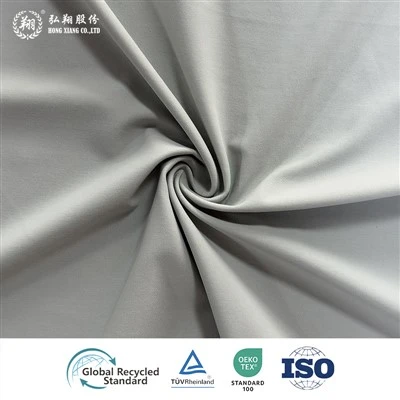
First, let’s talk about why flock fabric is so prone to holding onto smells, because understanding that is the key to fixing it. Flock fabric is made by applying tiny, short synthetic or natural fibers (usually nylon, rayon, or cotton) electrostatically to a base material like polyester or cotton. The fibers stand upright, creating that soft pile, but that vertical structure means there are millions of tiny crevices between the fibers where odor-causing molecules can get trapped—way more than in woven or knit fabrics with flat surfaces. Unlike smooth fabrics where odors sit on top, in flock fabric they penetrate deep into the pile, often bonding with the fiber material itself. That’s why spritzing a little air freshener or rubbing baking soda on top only works for a few hours; it’s just masking the smell, not eliminating it. A lot of my customers try that first, and when it doesn’t work, they think they have to toss the fabric or cover it. But there are targeted ways to break down those odor molecules without damaging the delicate pile.
Let’s start with the most important rule for any flock fabric cleaning: always test any cleaning product on an inconspicuous spot first. I can’t stress this enough. I once had a designer client who tried a mix of vinegar and water on a set of custom flock headboards she’d ordered for a boutique hotel, and the vinegar left permanent light spots on the dark navy fabric—because acidic solutions can eat away at the synthetic flock fibers if left too long. Pick a hidden area, like the back of a couch panel or the bottom of a throw pillow, apply a tiny amount of the product you plan to use, let it dry completely, and check for discoloration or pile damage before moving on. That simple step has saved so many of my customers from costly mistakes, and I make sure to include that tip in every product spec sheet I send out, even if it’s not asked for.
Now, let’s break down solutions by type of odor, because not all smells are the same, and different odor sources need different approaches. First, the most common household odors: pet accidents, food spills, cooking smoke, and mustiness. For fresh odors—like a cat accident that happened an hour ago, or sauce spilled on a cushion last night—the first step is to remove as much of the odor source as possible without scrubbing, which pushes the mess deeper into the flock fibers. Use a dry, clean microfiber cloth to blot (don’t rub) the area: press firmly and lift, instead of wiping, because rubbing will crush the pile and spread the spill. For liquid messes like urine or coffee, if there’s excess liquid, you can also lay a stack of paper towels over the area and place a light weight on top for 10 minutes to absorb more, before moving to odor removal.
For fresh, non-embedded odors, the first science-backed method I recommend is activated charcoal. Activated charcoal is perfect here because it works by adsorption—not absorption—meaning it traps odor molecules in its porous surface, instead of just sitting on top. Unlike baking soda, which only masks odors until it’s removed, activated charcoal actually pulls smells out of the flock fibers, and it’s gentle enough not to damage the pile. Here’s how to do it right for flock fabric: take a handful of food-grade activated charcoal (the kind you buy for water filters or edible uses, not the grilling kind, which has additives), wrap it in a thin cotton cloth or cheesecloth so it doesn’t leave black powder on the fabric, and lay it over the smelly area. Leave it there for 24 to 48 hours, depending on how strong the odor is. For larger items like a full sofa, you can place several cloth-wrapped charcoal pouches around the piece, or even fill a few porous cloth bags and tuck them into the cushions. After 48 hours, remove the charcoal, and gently vacuum the area with a soft-bristle upholstery attachment to remove any loose charcoal dust. I had a customer last year who had a set of flock dining chairs that smelled like her dog’s accident for weeks; she tried everything, from Febreze to vinegar sprays, and the charcoal method got the smell out completely without ruining the fabric’s soft texture.
For more stubborn odors, like smoke smell, old mustiness, or deep-set pet odors that have been sitting for weeks, you need a solution that breaks down the odor molecules instead of just trapping them. That’s where enzyme cleaners come in, and not all enzyme cleaners are created equal for flock fabric. Enzyme cleaners work by using natural bacteria (specifically proteases, lipases, and amylases) that eat through the organic molecules that cause odors—things like protein in pet urine, grease from food, or tar from smoke. The key here is to use an enzyme cleaner that is pH-balanced, because overly acidic or alkaline cleaners can damage the synthetic flock fibers over time. I always suggest picking an enzyme cleaner formulated for upholstery, not just for carpet, because carpet cleaners are often too harsh for dense, short pile fabrics. Here’s how to apply it correctly: lightly mist the affected area with the enzyme cleaner (don’t soak it—too much liquid will get into the base material of the flock fabric and cause mold or mildew, especially if it’s a piece that can’t be air dried quickly). Let it sit for the time recommended on the bottle, usually 30 minutes to an hour—don’t let it dry completely, because that will leave residue. After the dwell time, use a damp microfiber cloth to blot the area gently, then let it air dry completely in a well-ventilated area, away from direct sunlight (sunlight can fade flock fabric, especially dark or bright colors). If the odor is still there after the first application, you can do a second treatment, but wait 24 hours to make sure the fibers have time to recover.
One thing I caution customers about is the common mistake of using too much product. Flock fabric’s dense pile is great for softness, but it holds onto moisture longer than other fabrics, so even a little too much liquid can lead to mildew growth, which is a whole other problem. I learned this early on in my supply career: a brand new client ordered 50 yards of flock fabric for custom lounge chairs, and their cleaner soaked the fabric with a vinegar-water solution to get rid of a mold smell before the furniture was delivered. By the time the chairs were finished, they had faint mildew spots under the fabric that weren’t visible until they were placed in a showroom window. The cleaner had used three times more water than recommended, and it couldn’t evaporate through the dense flock pile. Since then, I’ve made it a point to educate every customer on moisture control for flock fabric, especially when cleaning.
For odors that are really pervasive, like a vintage couch that’s been stored in a damp attic for years, a third method that works well is ozone treatment, but only if done correctly. Ozone generators work by releasing ozone molecules that break down odor molecules at the molecular level, and they’re often used by professional restoration teams for stubborn smells. However, ozone can be damaging to certain types of flock fabric, especially natural cotton-based flocks, if left on too long. That’s why I always tell customers that if they use an ozone generator, they need to follow a few rules: first, make sure the flock fabric is rated for ozone exposure (most modern synthetic nylon and polyester flocks are, but natural flocks are not), second, never leave the generator running in an enclosed space with people or pets, third, run it for no more than 4 to 6 hours for a large piece of furniture, then air the space out for at least 24 hours before touching the fabric. I’ve had a few interior designer clients use this method for high-end vintage pieces, and it works well if you follow the guidelines, but I always recommend testing a small spot first, just to be safe.
Now, what about things you should never do when trying to remove odors from flock fabric? These are the mistakes I see all the time, and they’re the ones that lead to customers calling me to replace their damaged fabric. First, never use a steam cleaner on flock fabric. The high heat of a steam cleaner can melt the tiny flock fibers, making the pile clump or flatten, and the moisture will get trapped in the base fabric for weeks, leading to mold or mildew. I can’t tell you how many times a customer has asked if they can use their carpet steam cleaner on their flock upholstery, and I have to say no—even low-temperature steam is too much for delicate flock fibers. Second, never use bleach or ammonia-based cleaners. Both are harsh enough to discolor and weaken synthetic flock fibers, and ammonia can actually react with urine odors to create a worse, more pungent smell. Third, never rub the fabric when cleaning, as I mentioned earlier—rubbing crushes the pile, making it feel flat and worn, and spreads odors deeper into the fibers. Fourth, never apply air freshener or perfume directly to the fabric. Those products only mask the smell, and the strong chemicals can leave a permanent chemical odor that’s worse than the original smell.
Once you’ve removed the odor, there are a few steps you can take to prevent odors from getting trapped in flock fabric in the first place, which is something I always share with my wholesale and retail customers. First, regular vacuuming with a soft-bristle upholstery attachment—once a week for high-use pieces, like sofas or car seats—removes surface dirt and debris before it can sink into the pile and cause odors. Second, address spills immediately, don’t wait. Blotting a spill within 10 minutes of it happening means the liquid won’t have time to bond with the flock fibers. Third, for pieces that are in high-moisture areas, like patio furniture covered in flock fabric or bathrobes made from flock, use a fabric protectant specifically formulated for flock fabric, not a generic spray. The right protectant will create a thin barrier over the pile that repels liquids without making the fabric feel stiff or ruining its soft texture.
As a flock fabric supplier, my job isn’t just to send rolls of fabric to customers—it’s to make sure those customers can use the fabric for years, without dealing with common problems like odors. I’ve spent years working with my fabric manufacturers to develop flocks that are more resistant to odor trapping, like tightly woven base fabrics and anti-microbial flock fibers for high-use items. But even with the best fabric, odors can happen, especially with upholstery that gets regular use. The key is to use methods that are tailored to flock fabric’s unique structure, skipping the harsh hacks that do more harm than good, and testing everything first.
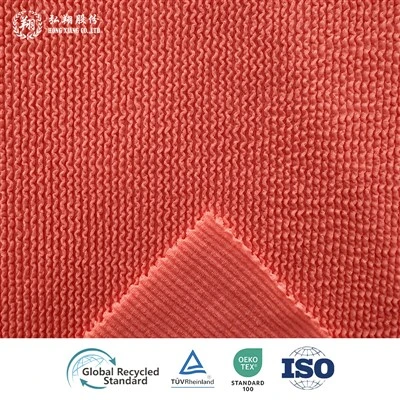
If you’re dealing with a smelly flock fabric project, whether it’s upholstery, custom goods, or home decor, I’m here to help. I can recommend the right products for your specific type of flock fabric, share cleaning tips tailored to your project, or even source odor-resistant flock fabric for new pieces that will stand up to everyday use. Don’t let odors ruin your flock fabric projects—reach out to discuss your needs, and let’s find the right solution together.
Mesh Knitted Fabric References
- Textile Flock Technology: Properties, Performance, and Applications. Textile Institute, 2019.
- “Odor Removal from Textile Fibers: Mechanisms and Best Practices.” Journal of Textile and Apparel, Technology and Management, vol. 12, no. 3, 2022.
- Upholstery Fabric Care Guidelines: Flock-Specific Recommendations. American Home Furnishings Alliance, 2021.
Zhejiang Hongxiang Textile Technology Co., Ltd.
Address: No. 8, 12th Road, Warp Weaving Park, Maqiao Street, Haining City, Jiaxing City, Zhejiang Province
E-mail: gd@hongxiang888.cn
WebSite: https://www.h-xiang.com/
