If you’ve ever worked in the oil and gas sector, you know that a slurry pump isn’t just another piece of rotating equipment – it’s the workhorse that moves some of the industry’s harshest, most unforgiving materials. When I meet with operators, project engineers, and maintenance managers, the first question they almost always ask isn’t about horsepower or price; it’s about what a pump needs to do to keep their operations running. As a slurry pump supplier who’s spent years on job sites, talking through breakdowns, troubleshooting mid-shift, and fine-tuning pumps for remote fields, I’ve learned that the requirements for these pumps aren’t one-size-fits-all. They’re rooted in the unique mix of harsh conditions, material properties, and regulatory pressures that define oil and gas operations. Slurry Pump
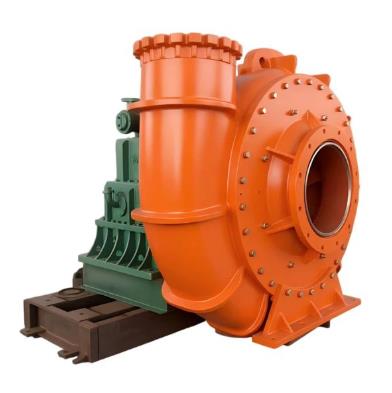
First, let’s get clear on what slurry means in this context. In oil and gas, slurry is a heterogeneous mixture of water, oil, fine solid particles (like sand, shale, or drill cuttings), and sometimes heavy metals or corrosive chemicals. Unlike clear water, slurry isn’t uniform – solids can settle, abrade pipe walls, and clog pumps if the design doesn’t account for their behavior. A pump that works well in a mining slurry, for example, will fail in weeks if you drop it into an oil sands slurry that has high concentrations of bitumen and abrasive silica. That’s why the first core requirement is wear resistance.
Oil and gas slurries often contain particles with sharp edges, silica in high concentrations, and in offshore operations, saltwater that accelerates corrosion. Most standard centrifugal pumps use cast iron or mild steel impellers and casings, but those wear out fast – sometimes in less than a month – when handling oilfield slurry. For this reason, suppliers like us design pumps for oil and gas with high-chrome alloys, rubber liners, or ceramic coatings. I’ve seen first-hand that rubber liners aren’t just a “nice upgrade”: they absorb the impact of large cuttings better than metal, reducing both abrasion and noise, which is a big win for compliance with OSHA noise standards on job sites. That said, rubber doesn’t hold up to high temperatures, so for operations with slurry temperatures above 150°F, metal alloys are non-negotiable. The balance here is matching the liner material to the slurry’s temperature and abrasive content – a choice that comes from on-site testing, not just spec sheets.
Next, operational reliability and uptime. Oil and gas operations don’t stop for maintenance. A mid-shift pump failure can shut down a drilling rig, halt a pipeline’s dewatering process, or stop the flow of produced water injection – each of which costs tens of thousands of dollars per hour. So the second key requirement is that the pump must minimize downtime, and when it does need maintenance, it’s quick to service. That means features like easily accessible impellers, bolt-on casings that don’t require full pump disassembly, and parts that are standardized so they can be sourced on-site. I once worked with a drilling operator in West Texas who had to wait three weeks for a custom impeller from a generic pump supplier, costing them over $200,000 in lost production. Now, they rely on our slurry pumps, which have interchangeable impeller designs that can be swapped in under an hour with tools already on their rig. Reliability also means consistent flow rates, even when slurry density varies. Oil and gas slurries change throughout a project: during drilling, cuttings production rises; during production, produced water mixed with sediments shifts. A good slurry pump must maintain its efficiency across a range of slurry densities, not just its rated flow.
Another critical requirement is corrosion resistance. Offshore operations, in particular, deal with saltwater, which causes pitting corrosion in metal parts. Onshore, some wells produce acidic fluids (like hydrogen sulfide, or H2S) that eat through standard materials. The API (American Petroleum Institute) has specific standards for materials used in oil and gas equipment, and slurry pumps are no exception. Our pumps for offshore rigs use duplex stainless steel for wetted parts, which resists both saltwater corrosion and H2S-induced stress cracking. For onshore sites with highly acidic slurries, we add special coatings that bond to the metal, preventing chemical attack. I’ve learned that skimping on corrosion resistance is a false economy: a pump that looks cheap at first will need to be replaced twice as often, leading to higher total cost of ownership. It’s far better to invest in a pump built for the specific corrosion profile of a site.
Then there’s handling large solids. In drilling operations, the slurry includes drill cuttings that can be several inches in diameter. If a pump’s impeller is too narrow, or its inlet is too small, these solids will catch and jam, causing a breakdown. Oil and gas slurry pumps need large open impellers – sometimes called “non-clog” impellers – that can pass solids up to three inches in diameter without clogging. But there’s a trade-off here: larger open impellers can slightly reduce efficiency. The best pumps balance open passage size with hydraulic design, so they don’t waste energy. A few years ago, we redesigned a pump for a coalbed methane operation that was clogging weekly with 2-inch coal cuttings. By adjusting the impeller’s vane shape and inlet diameter, we increased solids passage size by 40% while keeping efficiency at 82%, which meant the operator didn’t have to upgrade their motor to maintain the same flow. That’s the kind of design work that makes a pump effective for oil and gas.
Environmental compliance is also a non-negotiable requirement now, more than ever before. Oil and gas operators face strict regulations on slurry discharge, spill prevention, and water reuse. Slurry pumps must be designed to prevent leaks, especially in sensitive areas like marshes or near drinking water aquifers. That means mechanical seals that can handle abrasive slurry without leaking, and shaft sleeves that protect the pump’s shaft from wear, which can lead to seal failure. For operations that reuse produced water, a slurry pump must be able to handle fine particles without shedding them into the reused water. Many of our clients in the Permian Basin now require pumps that meet EPA standards for zero-discharge, which means we’ve had to adjust our designs to include double mechanical seals with buffer fluids that prevent slurry from escaping into the environment. I’ve seen operators fined hundreds of thousands of dollars for unplanned slurry spills – so even if a pump works well, if it doesn’t meet environmental rules, it’s useless for their operations.
Power efficiency is another big one, especially with energy costs rising for oil and gas operations. Slurry pumps can be 30-40% less efficient than clear water pumps because of the energy lost to moving heavy solids. For a pump that runs 24/7, that inefficiency adds up to thousands of dollars in fuel or electricity costs over a year. Good slurry pump design optimizes the hydraulic shape of the impeller and casing to reduce that energy loss. We work with operators to size pumps correctly – a mistake I see often is using a pump that’s too big for the job, which wastes energy. A properly sized pump will run at its best efficiency point (BEP), where it uses the least amount of power to move the slurry. For example, a mid-sized drilling rig might only need a 50 HP pump, not a 75 HP pump that was specified by a general pump supplier who didn’t account for the slurry’s weight. That’s a difference of $15,000 a year in electricity costs – money that can go back into the project’s bottom line.
Temperature and pressure resistance round out the list. Oil and gas operations have wide temperature ranges: from cold arctic onshore sites where slurry can freeze, to steam-assisted gravity drainage (SAGD) operations in Canada where slurry is over 200°F. High temperatures can break down seal materials and reduce the strength of metal alloys, so pumps for these sites use high-temperature seals and heat-resistant alloys. Pressure is another factor: pipelines that move slurry can have pressures up to 150 PSI, so the pump’s casing and piping connections must be rated for that pressure to avoid rupture. For offshore deepwater operations, pressure is even higher, and pumps must be able to operate at depths where atmospheric pressure is very high.
Over the years, I’ve also learned that the best pump isn’t just the one that meets these technical requirements – it’s the one that works with the operator’s specific site. I’ve had operators bring me a sample of their slurry, and we test it in our lab to run wear tests, measure flow, and adjust the pump’s design accordingly. One of our long-term clients, an offshore operator in the North Sea, had a slurry with a mix of saltwater, drill cuttings, and a small amount of hydrogen sulfide. Standard pumps didn’t last more than two months there, so we worked with their team to adjust the impeller alloy, use a rubber liner that could handle low temperatures, and add a seal system that resisted H2S. Now, their pumps run for six months between overhauls, which has cut their maintenance costs by 60%. That’s the value of understanding the specific needs of oil and gas operations, not just selling a pre-built pump.

If you’re an operator struggling with pump breakdowns, high maintenance costs, or downtime in your oil and gas operations, I can help you find the right slurry pump for your job. We’ve designed pumps for drilling rigs, produced water handling, pipeline dewatering, and oil sands operations, and we work with you to test your slurry, adjust design features, and ensure the pump meets all your technical, regulatory, and uptime requirements. To discuss your needs and find a solution that fits your operation, get in touch with our team.
Sand Pump References
API Standard 610: Centrifugal Pumps for Petroleum, Heavy Duty Chemical, and Gas Industry Services.
OSHA Standard 29 CFR 1910: Occupational Safety and Health Standards for Noise Exposure.
NACE Standard MR0175: Materials for Use in H2S-Containing Environments in Oil and Gas Production.
Slurry Transport Handbook: Design and Operation for Industrial Applications, 2nd Edition.
Shijiazhuang Ruite Pump Co., Ltd.
As one of the most professional slurry pump manufacturers and suppliers in China, we have world-leading production equipment and strong manufacturing capabilities. Please feel free to buy durable slurry pump for sale here from our factory. Quality products and reasonable price are available.
Address: Majuan village, Nandong town, Gaocheng, Shijiazhuang, China
E-mail: info@ruitepump.com
WebSite: https://www.rtslurrypumps.com/
