If you’ve ever stood near an open cooling tower at an industrial plant, HVAC facility, or even a commercial office building, you know that their low, rumbling noise isn’t just an inconvenience—it can be a major source of friction with nearby residents, regulatory bodies, and property managers. As someone who’s spent 12 years in the open cooling tower supply industry, I’ve seen this problem play out again and again: a client will come to us with a high-performing tower that’s perfectly designed for their thermal load, but it’s been hit with a noise complaint a month after installation, or they’re struggling to meet local noise ordinances that cap outdoor noise at 55 decibels (dB) during the day and 45 dB at night. Open Cooling Tower
The good news? Reducing open cooling tower noise doesn’t mean sacrificing efficiency or functionality. It means targeting the specific sources of noise unique to these systems, which are different from the closed-loop or air-cooled units we sometimes work with. Open cooling towers rely on pulling air through a wet, heat-exchange medium—filled with water, often treated with chemicals to prevent scaling—and expelling that air and heat back into the atmosphere. That wet, moving air creates several noise pathways, and understanding each one is key to fixing the problem.
Let’s start by breaking down the biggest noise culprits in open cooling towers, then walk through proven, practical solutions we’ve tested on hundreds of our own tower installations. This isn’t theoretical stuff; these are tweaks, upgrades, and adjustments we’ve helped clients implement to cut noise by 10 to 20 dB without slowing down thermal performance.
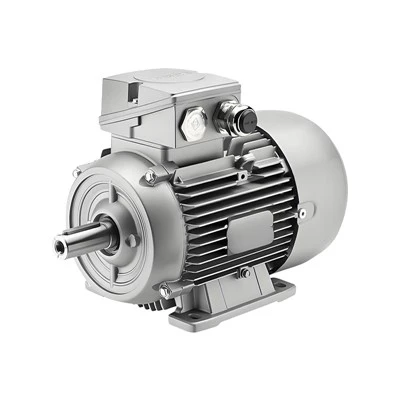
First, the fan: it’s the loudest part of any open cooling tower, hands down. Axial fans, which are standard in most open designs, spin at high speeds to move large volumes of air—often 10,000 to 100,000 cubic feet per minute (CFM) depending on the tower size. The noise here comes from two main places: blade pass frequency (BPF, the hum caused by each blade slicing through air) and turbulence, where uneven air flow hits the blade surfaces and creates a roaring, whooshing sound. For years, the go-to fix was to just slow the fan down, but that can reduce cooling capacity by 15-20%—a non-starter for clients who rely on consistent thermal output.
Instead, we advise looking at the fan itself first. Our team tests every fan we manufacture at our in-house acoustic lab, and we’ve found that swapping standard flat-blade axial fans for low-noise airfoil blades cuts fan noise by 3-5 dB immediately. Airfoil blades are shaped like airplane wings, which means they move air more smoothly, reducing turbulence at the blade edges and eliminating that harsh, high-pitched hum. Even better, we can tune the blade pitch for the exact CFM your tower needs, so you don’t lose efficiency. For clients with existing towers, retrofitting airfoil blades to their current fan is often cheaper and faster than replacing the entire unit.
Next, fan speed optimization. A lot of older cooling tower systems run their fans at full speed 24/7, even when the ambient temperature is cool, or the thermal load (the amount of heat the tower needs to remove) is low. A fan running at 80% of its maximum speed doesn’t produce 80% of the noise—it produces closer to 95%, thanks to the physics of sound: noise increases exponentially with speed. So installing a variable frequency drive (VFD) on your fan motor is a game-changer. VFDs let you adjust fan speed based on real-time thermal demand—if it’s 60 degrees out instead of 90, you can dial the fan down to 50% speed, cutting noise by 10 dB or more without any loss of performance. We’ve installed VFDs on towers for a food processing plant in suburban Ohio that used to get noise complaints every summer; after the upgrade, their tower noise dropped from 62 dB during the day to 52 dB, and they saved 22% on their energy bills to boot. That’s a win-win.
Another fan-related fix: fan shroud design. The shroud is the curved metal housing around the fan that directs air flow. A lot of off-the-shelf open cooling towers come with shrouds that are too short, or have sharp edges that create airflow turbulence. When we design our towers, we add a tapered, aerodynamic shroud extension that sits above the fan, smoothing the air as it exits the unit. Not only does this reduce turbulence noise, but it also improves the fan’s efficiency by up to 8%, so you’re not wasting energy pushing air through a poorly designed shroud. For existing towers, a simple shroud extension retrofit can cut fan noise by another 2-3 dB.
Now, the next biggest noise source: water distribution systems. Open cooling towers spray water over a fill medium (usually plastic or wood boards) to maximize surface area for heat exchange. That spray is noisy—those falling water droplets and the impact of water hitting the fill create a steady, high-pitched splashing noise that can be almost as noticeable as the fan for nearby properties. I remember a client in downtown Atlanta who had a tower on the roof of a 10-story office building; their biggest complaint wasn’t the fan rumble, it was the loud splashing from the water spray, which was audible through open windows on the 5th and 6th floors.
The solution there is twofold: first, adjust the water distribution system to reduce droplet size and impact. Too often, water nozzles are sized for maximum flow, not minimum noise. We’ve found that replacing standard full-cone spray nozzles with low-splash, impact-resistant nozzles cuts water noise by 4-6 dB. These nozzles produce larger, slower-falling water droplets that don’t break apart into tiny, noisy mist when they hit the fill. For clients with older nozzles, cleaning or replacing clogged nozzles (which force water to spray at higher pressure, creating more noise) is a quick, low-cost fix—we’ve had retrofits that cost less than $500 and eliminated 70% of the water-related noise complaints a client had.
Second, adding a sound-absorbing deck under the fill. The fill itself is porous, but adding a layer of closed-cell foam or fiberglass sound-absorbing material between the water spray and the fan outlet absorbs the splash noise before it can escape. This is especially effective for towers that are placed near property lines, because it targets the mid-frequency splashing noise that travels the farthest. We tested this on a tower for a retail center in suburban Dallas; before, their water noise was 58 dB during the day, right at the city’s limit, and after adding the absorption deck, it dropped to 52 dB, which gave them a 6 dB buffer for evening hours. We also make sure our fill media is designed to reduce impact noise—our plastic fill has a textured surface that softens the water’s fall, instead of a smooth surface that creates a loud crack when droplets hit.
Then there’s structural noise transmission. A lot of people forget that cooling tower noise doesn’t just come from the air—some of it travels through the building’s structure or the ground. If your tower is mounted on a rooftop without any isolation pads, the fan’s vibration and the water’s impact can transfer through the steel supports and the building’s concrete slab, creating a low rumble that’s noticeable inside the building and to neighbors below. This is a common problem for rooftop HVAC towers, where the structure acts as a sounding board for noise.
The fix here is vibration isolation, which is simpler than it sounds. All our standard cooling towers come with pre-installed rubber isolation pads that sit between the tower’s steel base and its supports, but we often upgrade to spring isolators for noise-sensitive locations. Spring isolators absorb higher levels of vibration, cutting structure-borne noise by 5-7 dB. For existing towers, adding isolation pads or spring mounts is a relatively easy retrofit—we’ve done this for a hospital in Chicago that had a tower on a 2nd-floor roof; before, nurses on the 1st floor could hear the low rumble from the tower through the walls, and after adding isolators, that noise was completely eliminated. We also recommend securing all pipe connections to the tower with flexible couplers—hard metal pipes transfer vibration just as much as structural supports, so flexible couplers break that path.
Another structural tip: if your tower is near a property line, adding a noise barrier wall around the top and sides of the tower can block noise from traveling horizontally. But not just any wall will work—solid walls made of wood, concrete, or metal are effective, but you have to make sure they’re tall enough. The general rule is that the wall should extend at least 2 feet above the fan outlet, and be placed as close to the tower as possible, to create a sound block that prevents noise from escaping over the top. We designed a custom noise wall for a manufacturing plant in Detroit that’s 8 feet tall and runs along the property line nearest to a residential neighborhood; it cut the tower’s noise from 65 dB (which was well above the city’s 55 dB limit) to 53 dB, and the plant hasn’t had a single noise complaint in three years. For clients who don’t have space for a solid wall, acoustic foam panels attached to a metal frame are a lighter, more affordable option that still cuts noise by 3-4 dB.
Wait, let’s talk about common mistakes we see when people try to reduce cooling tower noise. The first is sacrificing efficiency for noise. A lot of DIY fixes online will tell you to block part of the fan or reduce water flow, but that almost always backfires—you’ll end up with a tower that can’t keep up with thermal demand, leading to overheating equipment, higher energy bills, and even downtime. We never recommend that. All our noise solutions are calibrated to maintain or improve efficiency: VFDs save energy, low-splash nozzles use less water, and airfoil fans move just as much air as standard fans, just more quietly.
The second mistake is ignoring regular maintenance. A cooling tower that’s dirty, with clogged nozzles or worn fan blades, will be louder than a properly maintained one. We always tell clients to do a quarterly check: clean nozzles, remove debris from the fan and fill, and inspect isolation pads for wear. I’ve seen a tower that had 10 dB of extra noise just because its nozzles were 50% clogged, forcing the remaining nozzles to spray at higher pressure. Cleaning them brought the noise right down without any other changes.
For clients who are installing a new open cooling tower from scratch, there are also design choices we can build in to minimize noise from the start. For example, specifying a cross-flow tower instead of a counter-flow tower. Cross-flow towers have the air moving horizontally across the water, which creates less turbulence than counter-flow towers where air moves vertically through the water spray. We’ve found that cross-flow towers are usually 2-3 dB quieter than equivalent counter-flow models, which makes a big difference in noise-sensitive areas. Also, mounting the tower away from windows, property lines, or building openings—even 10 feet of extra distance can reduce noise by 3 dB, thanks to sound attenuation over distance.
Now, let’s put this all together with a real example. Last year, a mid-sized data center in Austin came to us with a problem: their existing open cooling tower was producing 68 dB during the day, and the city’s noise ordinance was set to drop to 60 dB for commercial properties within a year. They needed a solution that would get them under the limit without replacing their entire tower, which would cost over $100,000.
Here’s what we did: First, we retrofitted their old axial fan with airfoil blades and added a VFD, which cut fan noise by 8 dB. Next, we replaced their full-cone spray nozzles with low-splash ones and added an absorption deck under the fill, reducing water noise by another 5 dB. We added spring isolators to the tower’s base and flexible couplers on the water pipes, cutting structure-borne noise by 4 dB. Finally, we installed a 7-foot-tall noise barrier along the side of the tower facing the nearest office buildings, which added another 3 dB of reduction. The total cost of the retrofit was $22,000, and the final noise level was 58 dB—10 dB under the new ordinance limit. They also saved 18% on their annual energy bills thanks to the VFD, so the payback period was less than 18 months.
That’s the kind of result we focus on, because we know that a cooling tower’s primary job is to keep your equipment running smoothly and efficiently—noise reduction is a bonus that shouldn’t compromise that core function.

If you’re dealing with open cooling tower noise, whether it’s an existing unit that’s causing issues or a new installation you’re planning, you don’t have to go it alone. Every tower and facility is unique, so a one-size-fits-all fix won’t work. We offer free acoustic assessments for clients, where we’ll come to your site, measure current noise levels, map sources, and create a custom solution that fits your budget and needs. No generic advice, no overpriced upgrades, just proven solutions that get results. Don’t let noise complaints or regulatory rules hold your project back. Reach out to our team to discuss your cooling tower needs and find a way to reduce noise without sacrificing performance.
Closed Circuit Cooling Tower References
- Cooling Tower Noise Control Guidelines, Air Movement and Control Association (AMCA) International
- Acoustic Performance of Low-Noise Cooling Tower Fans, Journal of Acoustical Society of America, 2021
- Vibration Isolation for Industrial HVAC Equipment, National Environmental Balancing Bureau (NEBB) Standards, 2022
- Water Distribution Noise in Open Cooling Towers, International Journal of Thermal Engineering, 2020
Hainan Haizhou Fluid Technology Co., Ltd.
As one of the most experienced open cooling tower manufacturers and suppliers in China, we also support customized service. Please feel free to wholesale bulk high quality open cooling tower in stock here from our factory. Contact us for more details.
Address: Room 3003A-877, 30th Floor, Tower A, Internet Finance Building, No. 3 Guoxing Avenue, Lantian Subdistrict, Meilan District, Haikou City, Hainan Province
E-mail: FD@jxark.com
WebSite: https://www.hnhzark.com/
