Hey everyone! Let’s cut right to the chase—if you’ve been scrolling through hunting gear groups lately, you’ve probably seen people geeking out over hunting poles (you know, those lightweight, extendable sticks that look like they could double as hiking trekking poles but are built way tougher). And if you’re a total beginner just dipping your toes into hunting, you’ve probably had one big question buzzing around your head: “Can I actually use these things, or am I gonna mess ‘em up?” Hunting Poles
I get it. When I first started selling hunting poles a few years back, I thought they were just a fancy upgrade for seasoned hunters who’d been in the game forever. Then I had a 22-year-old kid walk into my warehouse, covered in mud from a weekend deer hunt, holding a pair he’d bought online and asking, “Why does mine feel like it’s gonna snap if I lean on it?” Turned out, he’d gotten a cheap knockoff that was meant for backpacking, not hauling him through thick woods. That day, I realized a lot of beginners are sleepwalking into this whole hunting pole thing with zero clue if they’re even suited for them. So let’s break it down—no jargon, no sales fluff, just real talk from someone who sells these things for a living and has seen every mistake a newbie can make.
First off, let’s get one thing straight: hunting poles aren’t just “trekking poles for hunters.” Wait, hold on—before you roll your eyes, hear me out. Trekking poles are great for day hikes, but they’re built for forward momentum on even trails. Hunting poles? They’re made for uneven terrain, sudden stops, carrying gear, and even stabilizing you when you’re trying to line up a shot without ruining the hunt. But the biggest myth I see beginners buy into is that they’re too “skilled” or “experienced” to need hunting poles. Newsflash: every seasoned hunter I know still uses them. Why? Because hunting isn’t just about shooting—It’s about walking 5 miles in the dark at 5 a.m. without twisting your ankle on a hidden root. For beginners, that alone is a game changer.
Wait, but let’s address the real fear here. A lot of new hunters think, “I’ll fumble with them, or they’ll get stuck in the brush, or I’ll look like a total idiot.” Yeah, that stings, but let’s be honest—everyone looks like a fool at some point when learning something new. I’ve tripped over my own hunting pole more times than I can count at trade shows, and I’ve been selling them for years. The key here is getting the right ones, not assuming all hunting poles are the same. That’s where I come in, right? As a supplier, I don’t just push whatever’s cheapest. I break down hunting poles for beginners into three non-negotiables, so you don’t make the same mistakes that kid at my warehouse did.
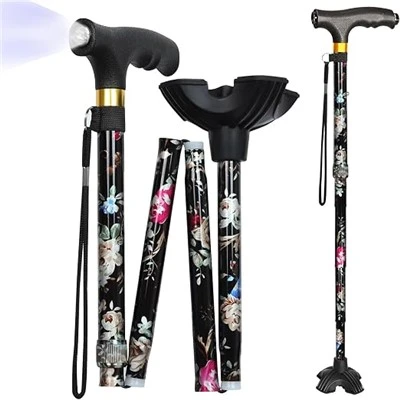
First, weight and adjustability. Beginners don’t need poles that weigh 2 pounds each—you’re already hauling a backpack, your rifle, water, snacks, and who knows what else. Pick poles that are under 1 pound each, and extendable from like 24 inches (perfect for stowing in your pack) up to 50 inches. Why? Because when you’re crawling through a thicket to get to a blind, you can shrink ‘em down. When you’re walking up a steep hill, you crank ‘em up. I always tell new buyers, test the lock mechanism before you buy—twist it, pull it, make sure it doesn’t slip. Last thing you want is your pole collapsing mid-hike and face-planting in a bush.
Second, tip and basket design. This is where hunting poles differ the most from trekking poles. For beginners, you don’t need a metal spike that’s so sharp it’ll puncture your boot (though some advanced hunters like that). Instead, go for a rubber tip with a replaceable rubber cap, and small, lightweight baskets. The big, fluffy baskets you see on winter trekking poles will get stuck in leaf litter and brush so bad you’ll have to yank ‘em out every 10 steps. Not fun. Small baskets let you move through undergrowth, grass, even muddy areas without dragging or getting snagged. I always tell beginners, if you’re ordering online, look for poles labeled “beginner-friendly” with these small baskets—we have a whole line of ‘em for exactly this reason.
Third, durability (but not overkill). Beginners love to skimp on cost, which makes them buy super-cheap poles that break after one hunt. But you also don’t need heavy-duty, military-grade poles that can withstand a bear attack (unless you’re hunting grizzlies, which most of us aren’t). Look for poles made with aluminum alloy, not flimsy plastic or thin steel. Aluminum is lightweight, tough enough for regular hunting, and way cheaper than carbon fiber (which is great but unnecessary for newbies). Carbon fiber is more for hunters who hike 10 miles a day, not someone just starting out. I can’t tell you how many customers come back and say, “I bought those $20 poles from Amazon, they snapped on my first hunt”—don’t do that. Spend $50-$80 for a good pair, they’ll last you 50+ hunts.
Now, let’s talk about actual use for beginners. Can you learn to use them without months of practice? Hell yeah. I taught my 16-year-old cousin, who’d never held a hunting pole in his life, in 20 minutes. The key is baby steps. First, practice with them in your backyard. Walk around, extend and retract them, try not to trip over them. Then, go for a short walk in a local park or trail—no gear, no pressure. Once you’re comfortable, try using them on uphill and downhill slopes. Uphill: hold the poles in your hands, plant them ahead of your feet, step forward. Downhill: shorten them a little, plant them to the sides to keep your balance. That’s it. No rocket science. The only “trick” is keeping them out of the way—don’t swing them like you’re playing baseball. Keep them close to your body.
Wait, but what about when you’re actually hunting? Let’s say you spot a deer 100 yards away, and you need to stay steady to line up a shot. Can you use hunting poles for that? 100%. A lot of beginners don’t realize that poles are great for stability when you’re kneeling or leaning. Plant both poles in the ground in front of you, rest your elbows on the handles, and boom—you’ve got a steady platform. Way better than balancing on one foot like a flamingo. The only time you’d put them down is if you’re moving, which is easy to do—just hang them over your shoulder with the wrist straps, or tuck one under your arm. I’ve seen so many beginners panic when they have to put their gun up, fumble with their poles, and miss the shot. But with a little practice, it’s second nature.
Now, let’s get real about the cons. No gear is perfect, and hunting poles aren’t either. For beginners, the biggest downside is that you might feel like they’re an extra thing to carry, especially if you’re hunting a small area. Or, if you’re hunting in super thick, dense brush like blackberry bushes, they can get snagged on branches. But here’s the thing: the pros far outweigh the cons for newbies. Let’s do a quick mental check—you’re less likely to twist your ankle, less likely to get tired halfway through the hunt, more stable when you’re taking a shot. That’s three big wins right there. The only time I’d tell a beginner to skip poles is if you’re hunting from a ground blind that’s right next to your truck, and you won’t be walking more than 100 feet. Even then, I still recommend keeping a pair in your backseat—you never know when you’ll have to hike to a better spot.
Wait, let’s circle back to that customer at my warehouse. He ended up exchanging his cheap knockoff for our beginner line, went on a hunt the next weekend, and texted me a photo of him holding a 6-point buck with a huge grin. Said he never would’ve made it up the steep hill to his stand without those poles. That’s the thing—hunting isn’t about being tough and doing everything alone. It’s about using the right tools to make the experience better, safer, and more successful. Poles aren’t a “pro only” thing. They’re a beginner’s secret weapon that no one talks about enough.
So, if you’re a newbie reading this, don’t let anyone tell you hunting poles are too complicated or too advanced. Yeah, you’ll make mistakes at first—everyone does. You’ll trip over them, you’ll fumble with the locks, you’ll probably get a branch stuck in them. But that’s part of learning. And trust me, once you get the hang of it, you’ll wonder how you ever hunted without them.
If you’re ready to grab a pair, we’ve got beginner-specific hunting poles that are lightweight, adjustable, and built to last without breaking the bank. No confusing specs, no overpriced junk, just gear that works for someone who’s still figuring out the ropes. We also have a little guide you can download for free—5 beginner tips for using hunting poles—so you can practice before your first hunt.
If you’ve got questions, want to chat about what works for your local hunting area, or just want to geek out over gear, hit us up. We’re here to help, not sell you something you don’t need.
Camping Chair References:
- Outdoor Industry Association. (2022). Hunting Gear Usage and Safety Report.
- Backcountry Hunters & Anglers. (2021). Beginner’s Guide to Hunting Accessory Equipment.
- International Hunter Education Association. (2020). Equipment for New Hunters: Choosing Tools That Enhance Safety and Success.
Ninghai Jianfeng Travelling Products Co., Ltd.
As one of the most professional hunting poles manufacturers and suppliers in China, we also support customized service. We warmly welcome you to wholesale bulk cheap hunting poles from our factory. Quality products and reasonable price are available.
Address: No.308, Dongsheng Road, Shenzhen Town, Ninghai County, Ningbo City, Zhejiang Province, China
E-mail: leo@nhjianfeng.com
WebSite: https://www.nhjianfeng.com/
