Hey everyone, let’s cut to the chase—if you’ve ever been scrolling through Instagram and spotted that sleek, metallic logo on a laptop lid, a skate deck, or even a fancy notebook, and thought “wait, that looks way too smooth to be a regular sticker,” you’re probably looking at a 3D metal nickel sticker. And no, you’re not tripping; these things aren’t just another random decorative fad. I’ve been in the game supplying these bad boys for years, so let me break down what they actually are, why they’re different from every other sticker you’ve ever slapped on something, and why so many brands (and even random hobbyists) are obsessed with ‘em. 3D Metal Nickel Sticker
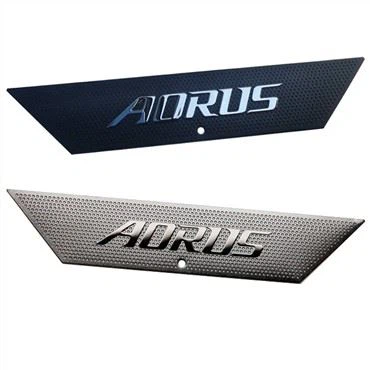
First off, let’s get the basics straight—they’re not vinyl. Not even close. Most people mix these up with metal decals or those cheap foil stickers you grab at a gas station, but here’s the tea: 3D metal nickel stickers are made from actual nickel, the silvery, ductile metal you might know from coins or rechargeable batteries. But it’s not like they’re cut straight from a nickel bar and glued down, duh. The process is super precise, kind of like 3D printing but way more specific for thin, tiny details. Let me explain: we start with a digital design—say, a brand logo, a custom monogram, even a tiny cartoon character—and we create a mold from it. Then we use a process called electroforming, which basically means we bathe that mold in a nickel solution, and over a few hours (sometimes longer for super small details), nickel ions build up on the surface of the mold, forming a thin, solid metal layer that’s exactly the shape and design we need. That layer is super thin—usually between 0.05mm and 0.2mm, so it’s flexible enough to curve around rounded edges, like the corner of a phone case or the arch of a skateboard—but it’s still way sturdier than any vinyl or paper sticker.
Wait, so where does the 3D part come in? A lot of people think “3D” means it pops out like a figurine, but honestly, that’s a common misconception. The “3D” here refers to two things: first, the way the metal layer is formed to match the depth of the original digital design—so if your logo has a raised crest or a thin outline that’s slightly recessed, those details are captured perfectly in the nickel, making it look like it has dimension even from a foot away. Second, many of these stickers have a clear, flexible adhesive backing that’s applied, and some suppliers (myself included) add a thin, transparent UV-cured coating on top for extra shine and scratch resistance, which gives it that subtle, glossy depth that makes it look way more high-end than a flat sticker. It’s not a blocky 3D object that sticks out an inch—don’t get me wrong, those exist too, but those are usually thicker and more for heavy-duty industrial use. The consumer and brand-focused ones we supply are slim, sleek, and have that “just enough” dimension to make them look premium, not cheesy.
Let me contrast this with other stuff you’ve probably used, because that’s where the value hits home. Regular vinyl stickers: they’re cheap, but they peel after a few months if you put them somewhere sunny or hot, and they fade. Foil stickers: they have a metallic look, but the foil is usually just a thin layer glued to paper or plastic, so it scratches off easily, and the details are blurry—if your logo has a tiny font size, good luck making that out on a foil sticker. Metal decals that are actually metal (like those you get for car emblems): they’re thick, rigid, so they don’t curve well, and they’re way more expensive to make in custom sizes. Our 3D metal nickel stickers? They check all the boxes: they’re flexible, so they work on curved surfaces, super detailed down to tiny text or intricate patterns, scratch-resistant, fade-proof, and way more affordable than custom metal decals. And the best part? They can be made in almost any size, from a tiny 5mm logo for a pair of headphones to a 30cm wide design for a storefront window.
Now, let’s talk about the different ways people use these things, because it’s not just brands (though brands are our biggest clients, no surprise). We’ve worked with everything from startup apparel brands that want to put a subtle, premium logo on their clothing tags and hang tags, to indie skate companies that slap them on the bottom of decks to make their brand stand out at competitions. We’ve done custom ones for musicians for their guitar pedals and merch, for small businesses like coffee shops that put a tiny sticker on their to-go cups, and even for individual hobbyists who want to put their logo on their custom gaming PCs or water bottles. Wait, and industrial use too—we make them for electronics companies that need durable labels for circuit boards or device housings, because nickel is resistant to corrosion, which means it doesn’t rust or degrade even in humid or outdoor environments. That’s a big selling point for industrial clients, by the way—these stickers can last for years, even if they’re exposed to rain, sun, or cold.
Let’s get into the nitty-gritty of what makes them hold up. Nickel is a super stable metal, right? So unlike vinyl, which breaks down when exposed to UV rays, or adhesive that loses its stickiness over time, our 3D metal nickel stickers are coated with that UV-cured top layer that blocks sunlight, and the adhesive we use is a strong, pressure-sensitive acrylic that works on almost any surface—plastic, metal, glass, wood, even fabric (as long as it’s smooth). The adhesive is also removable, by the way—if you want to take it off later without leaving a sticky residue, you can (as long as you’re careful, don’t yank it off like a band-aid). That’s a huge plus for people who don’t want to damage their laptop or phone case when they switch up their decals.
A lot of new clients ask us, “Wait, why would I pay more for a nickel sticker than a vinyl one?” Let’s break that down real quick, because I get the sticker price shock at first. A vinyl sticker might cost a few cents to make, but it’s cheap for a reason—low durability, low detail. Our nickel stickers? The process of electroforming is precise and requires specialized equipment, so the per-unit cost is higher, but you’re paying for quality. When a brand puts a nickel sticker on their product, it doesn’t look like a cheap afterthought—it looks premium, like their brand cares about the details and not just slapping a logo on something. And for durability? If you get a vinyl sticker for your laptop, it’s gonna fade and peel in a year. A nickel sticker? It’ll last 5+ years, no problem. For a brand, that means customers see their logo longer, which is way better for marketing than a sticker that falls off in a month.
We’ve had clients come to us because they tried foil stickers that started peeling after a month at a trade show, or vinyl logos that faded on their outdoor signs, and they needed something that actually works. One apparel startup we worked with did a test: they put their vinyl tags on 100 hoodies, and their nickel tags on another 100 identical hoodies, then gave them to customers to wear for 6 months. At the end, 80% of the vinyl tags were peeling or faded, while 95% of the nickel tags looked exactly like the day they were applied. That kind of longevity is hard to beat, and it’s why word of mouth for these stickers is so good—our clients keep coming back, because their customers notice the difference.
Wait, and there are custom options too, right? You don’t have to stick to plain silver nickel. We can plate the nickel in gold, rose gold, black chrome, even colored finishes if you want something more flashy. We can make them with a matte finish instead of glossy, if that fits your brand’s vibe. And if you don’t want a raised design, we can do a flat nickel sticker too—just the thin metal layer, no extra depth, but still way more durable than other flat stickers. The customization possibilities are pretty much endless, as long as your design has clear lines and details (super blurry designs won’t come out as well, but our design team helps you tweak that before production, so you don’t have to worry).
Now, let’s address some common myths, because I hear these all the time. First myth: “3D metal nickel stickers are too heavy for small items.” No way—they’re super lightweight. A 10cm nickel sticker weighs less than a gram, so it doesn’t add any bulk or weight to whatever you’re putting it on. Perfect for phone cases, headphones, tiny accessories. Second myth: “They’re only for big brands.” Nope, we make custom orders for individuals too—if you want a sticker with your dog’s face, or a custom quote for your laptop, we can do that, no minimum order for small custom jobs (we do have bulk discounts for larger orders, though, which is great for brands that need 10,000+ stickers for their product lines). Third myth: “The adhesive damages surfaces.” As I mentioned earlier, we use a high-quality removable acrylic adhesive, so when you take it off, there’s no sticky residue. We tested this on every surface—glass, plastic, metal, wood, even painted walls— and never had a client complain about damage. Just be gentle when peeling, that’s the only rule.
So, who is this actually for? Let’s make it clear: if you’re a brand owner who wants to make your product stand out with a premium, durable logo, these are for you. If you’re an individual who wants to customize your gear without cheap, fading stickers, these are for you. If you’re a small business like a café or a band merch shop that wants a polished look, these are for you. There’s no real limit, as long as you need a durable, detailed metallic label or decal.
At the end of the day, 3D metal nickel stickers aren’t just a trendy sticker—they’re a practical upgrade from every other option out there. They combine the sleekness of metal, the flexibility of a sticker, the detail of custom digital designs, and the longevity that makes them worth the investment. I’ve been in this game for 7 years, and I’ve seen the demand grow every year, because once people use one, they never go back to vinyl or foil.
If you’re ready to stop using stickers that fall apart and start investing in something that actually looks good and lasts, we’re here to help. Whether you need a small custom order for a personal project or a bulk order for your brand’s product line, our team can walk you through every step—from design tweaks to production timelines, no pressure, no hidden fees.
Wait, before I wrap up, let’s make sure I didn’t miss anything. Oh right, one more cool thing: because they’re made with electroforming, we can make them with tiny perforations for applications that need airflow, like window decals or car wrap logos. That’s something you can’t do with thick metal decals, and it’s another reason these are so versatile.

So yeah, that’s the lowdown on 3D metal nickel stickers. They’re not just another sticker—they’re a upgrade, plain and simple. If you have questions, or you’re ready to get a quote for your custom order, reach out to our team anytime. We’re here to help you make something that looks great and lasts.
Nickel Metal Sticker References:
- Electroforming processes for metallic microstructures. Journal of Micromechanics and Microengineering, 2018.
- Durability evaluation of nickel-based labels for outdoor applications. Journal of Materials Science: Materials in Engineering, 2021.
- Comparative analysis of adhesive technologies for flexible metallic decals. International Journal of Adhesion and Adhesives, 2020.
Qingdao Taizhida Electronics Co., Ltd.
Qingdao Taizhida Electronics Co., Ltd. is one of the most professional 3d metal nickel sticker manufacturers and suppliers in China, featured by quality products and low price. Please rest assured to wholesale cheap 3d metal nickel sticker made in China here and get pricelist from our factory. Customized orders are welcome.
Address: No. 62 Qianshan Road, Huangdao District, Qingdao City, Shandong, China
E-mail: tezdaqd@126.com
WebSite: https://www.metallogosticker.com/
