Let’s keep it real for a sec—nothing kills a project faster than drilling a wonky hole that ruins a screw nut, or worse, makes it strip mid-install. As someone who’s spent the last 8 years hooking up with contractors, DIYers, and even some tiny workshop hobbyists as a screw nut supplier, I’ve seen every mistake under the sun: holes way too big, crooked that make nuts spin like a top, or even shattered materials because someone skipped one tiny prep step. Today we’re cutting through the fluff to walk you through how to drill a hole that fits your screw nut perfectly—no fancy tools needed, just some basic sense and the right intel from someone who’s actually dealt with the chaos of bad holes. Screw Nut
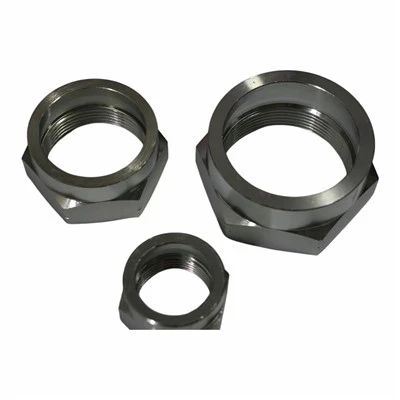
First off, let’s talk about why this matters more than grabbing the nearest drill and winging it. If you get the hole size wrong? You’ll either struggle to thread the nut (and risk stripping the threads before it’s even snug) or end up with gaps that let moisture, dust, or whatever’s around creep in and break the whole thing down. I’ve had so many customers hit me up frustrated because they drilled a hole for a ¼”-20 hex nut and it was too small, so they forced it, split the metal plate they were working on, and had to start over. That’s a waste of time, money, and your sanity.
Let’s break this down step by step, no jargon, just straight talk.
Step 1: Grab your basics first—no skipping this stuff
You don’t need a whole toolbox full of fancy gear, but do have these on hand before you crank up the drill:
- The exact screw nut you’re using (duh, I know, but I’ve seen people grab a random nut from a junk drawer and drill based on that, only to realize it’s a metric one vs. standard—total rookie move). If you can’t find the nut you ordered, pull up the spec sheet we sent you when you placed the order—every screw nut we ship has part numbers for size, thread pitch, and material, so that’s your cheat sheet.
- A drill bit that matches exactly the hole size you need. Wait, don’t just guess here—thread pitch is huge. For example, a standard ¼”-20 nut (that’s ¼ inch diameter, 20 threads per inch) uses a 7/32” drill bit. A metric M5 nut uses a 4.2mm bit, simple as that. If you’re not sure, don’t Google random charts—hit us up. We’re the screw nut suppliers, we’ve got the exact drill bit match for every product we sell, no weird math required.
- A tape measure, pencil, and center punch (or even a nail and hammer, if you’re desperate).
- A clamp or a piece of masking tape, to keep your material from sliding around mid-drill.
- Safety glasses and a drill—obvi, don’t drill without eye protection, trust me.
Step 2: Mark the hole dead center (no crooked holes allowed)
This is the part where so many people mess up: they draw a dot and start drilling, and the bit wanders all over the place. Here’s how to fix that. First, use your pencil to mark where you want the hole—super light, don’t press so hard you make a deep groove. Then, take your center punch (or that nail) and tap it once lightly where the mark is. This makes a tiny indent, so the drill bit doesn’t slip. If you don’t have a center punch? Stick a piece of masking tape over the mark, draw the dot on the tape, and that’ll keep the bit from wandering too. I’ve saved so many customers from this trick—last month a guy on a home reno show hit me up saying he drilled 3 wrong holes because his bit kept slipping, and the tape trick fixed it instantly.
Pro tip: If you’re drilling into a flimsy material like drywall or thin metal, clamp it to a workbench so it doesn’t flex when you drill. Flex = crooked hole, every single time.
Step 3: Drill at the right speed—don’t crank it full blast
Here’s another mistake I see all the time: people put the drill on max speed and go to town, only to burn through the material or crack it. The speed depends on what you’re drilling into:
- Wood: Medium speed (around 1,000-1,500 RPM). Drill slow at first to get the indent going, then speed up a little, but don’t force it.
- Metal (steel, aluminum, etc): Slow speed (500-1,000 RPM). Metal bits get hot fast, so if you smell burning, stop, let the bit cool, and add a tiny bit of cutting oil if you’ve got it. No cutting oil? A little WD-40 works in a pinch.
- Plastic: Super slow speed (under 1,000 RPM). Fast speed will melt the plastic, leaving a mess you can’t fix.
Also: Don’t press hard! Let the bit do the work. If you’re pushing so hard your wrist hurts, you’re drilling too fast or using the wrong bit. I once had a customer drill a hole for a stainless steel nut using a wood bit—total disaster, the bit snapped, he ruined the plate, and ended up ordering a new nut and bit from us. Save yourself the hassle, match the bit to the material, not just the nut.
Step 4: Test the fit before you start tightening
Once you’re done drilling, wipe out the hole with a rag to get rid of metal shavings or wood dust (those little bits can make the nut fit too tight or scratch up the material). Now, take your screw nut and thread it onto a bolt, then push it into the hole. It should slide in smoothly, no forcing. If it’s too tight, grab the next larger drill bit and ream the hole a little—don’t try to muscle the nut, you’ll strip the threads. If it’s too loose? Oops, you went one size too big—drill a tiny pilot hole next time, or add a washer under the nut to take up the extra space.
Wait, what if you’re drilling into hardwood, like for a deck or a shelf? I always recommend using a countersink bit too. That’s a special bit that makes a little cone-shaped hole around the main hole, so the nut sits flush (no sticking up, which is a tripping hazard or a snag for clothes). Most of our industrial grade screw nuts come with countersink specs for that exact reason—just hit us up and we’ll tell you which bit to use if you’re not sure.
A few common mistakes I see as a screw nut supplier (you’re not alone if you do these)
- Mixing up standard and metric nuts. This is so common! A ¼” standard nut is way different from a 6mm metric nut. Always double-check the part number on your nut (the numbers on the side—we stamp every one) before buying a drill bit. If you lost the spec sheet, send us a pic of the nut, we can ID it in 2 seconds.
- Forgetting to deburr the hole. Deburring is just taking the sharp, rough edge off the hole after drilling. A lot of people skip this, but that sharp edge can scratch the nut’s threads and make it spin when you tighten it. Grab a metal file or even a piece of sandpaper, run it around the edge of the hole, and you’re good.
- Drilling all the way through without a backer board. If you’re drilling through a thin piece of material, say a ¼” plywood, put a scrap piece of wood behind it. That stops the bit from splitting the back of the plywood when it comes through. I’ve had so many customers call me crying because they split a $50 plywood panel, all because they skipped the backer.
When to call the pros (no shame here)
Don’t get me wrong—this is all doable with basic tools, but if you’re working with super thick metal, stainless steel, or something tricky like granite or tile, it might be worth hiring someone who knows their way around a drill. We work with a ton of contractors who call us when they need screw nuts for big jobs, and they handle the drilling, but if it’s your first time, take it slow. No rush.
At the end of the day, drilling a hole for a screw nut isn’t rocket science—it’s all about matching the size, taking your time, and not skipping the tiny prep steps that save you from headaches later.
If you’re working on a big project and need the right screw nuts (or drill bit matches) for your job, just reach out. We’ve got every type of nut you could need—hex, lock, flange, all sizes standard and metric—and we’ll hook you up with the exact specs to make your hole work. No vague advice, no generic charts, just real info from the screw nut people who know this stuff inside and out.

Thanks for reading—now go make that hole perfect.
Hydraulic Fittings References:
DIY Network. "How to Drill Clean Holes in Any Material." Home Improvement Blog, 2023.
ASM International. "Drilling Basics for Metal and Plastic." Materials Engineering Handbook, 2022.
The Spruce. "Screw Nut and Drill Bit Size Matching Guide." Home Repair Tips, 2024.
Yuyao Huiqiang Fluid Connectors Co., Ltd.
With abundant experience, we are one of the most professional screw nut manufacturers and suppliers in China. Please feel free to wholesale cheap screw nut in stock here from our factory. All customized products are with high quality and low price.
Address: No.102, Wenwei Road, Zhangting Town, Yuyao City, Ningbo City, Zhejiang Province
E-mail: huiqiangliuti@163.com
WebSite: https://www.huiqiang-fitting.com/
