If you’ve ever stood in front of a cold rolling mill, a heat treatment line for automotive parts, or a batch production setup for stainless steel components, you know that an annealing furnace isn’t just a box that heats metal. It’s a precision system built to soften materials, eliminate internal stress, and restore ductility—all while avoiding warping, discoloration, or surface contamination that can ruin a finished part. For anyone ordering this equipment, understanding its core parts isn’t just a technical detail; it’s the difference between a furnace that works for your production line and one that causes downtime, scrap, and missed deadlines. As someone who’s been selling, installing, and troubleshooting annealing furnaces for 12 years, I’ve seen countless clients skip this step and end up with equipment that doesn’t meet their needs. Today, let’s break down the key parts of an annealing furnace, why each matters, and what to look for when evaluating a supplier. Annealing Furnace
First, let’s start with the heart of the system: the heating chamber. This is where the material actually sits during annealing, and its design is non-negotiable. Most people don’t realize that heating chambers aren’t one-size-fits-all. For batch furnaces, it’s a sealed, insulated enclosure that can hold steel coils, metal bars, or even small batches of fasteners. For continuous furnaces, it’s a long, tunnel-shaped passage where material moves through in a steady line—used for high-volume production like aluminum cans or automotive sheet metal. The insulation lining the chamber is another critical piece: high-quality refractory ceramic fiber or firebricks that can withstand temperatures up to 1,200°C (2,192°F) for steel annealing, without breaking down over repeated heating and cooling. Cheap insulation might save a few bucks upfront, but it can lead to heat loss, uneven temperatures, and higher energy bills down the line. I still remember a client in Michigan who chose a budget furnace with thin insulation; a year later, their monthly energy costs were 35% higher than a nearby competitor using standard equipment. The heating elements themselves—whether electric resistive, gas-fired burners, or induction coils—are mounted inside the chamber to deliver consistent heat across the load. A common mistake here is under-sizing elements for heavy loads; I once worked with a client who tried to anneal 5-ton steel coils in a furnace with 10% too few elements, leading to a 20-hour longer cycle and a batch of parts that failed stress tests.
Next, the atmosphere control system. This is the part that separates a good annealing furnace from a great one, especially for materials that react with oxygen. Many metals—like stainless steel, aluminum, or even mild steel—will oxidize or form unwanted surface scales if heated in open air. That’s why annealing furnaces use controlled atmospheres: either inert gases (argon, nitrogen) or protective gas mixtures (endothermic gas, dissociated ammonia) that displace oxygen and prevent contamination. The atmosphere system includes gas generators, piping, sensors, and a way to circulate the gas evenly throughout the chamber. For example, when annealing carbon steel to remove scale, endothermic gas (a mix of hydrogen and nitrogen) not only protects the surface but also aids in decarburization control—a must for parts that need a specific hardness profile. I’ve seen clients cut corners here too: a kitchenware manufacturer tried annealing aluminum pots in open air, ending up with a yellow, rough surface that required extra polishing, wiping out any cost savings from skipping the atmosphere system. Modern systems also include real-time sensors that adjust gas flow automatically, ensuring consistent atmosphere levels even as load size changes.
Then, the load handling mechanism. This is the workhorse that moves material in and out of the furnace, whether it’s a batch cart, a roller conveyor, or a hook system for overhead parts. For batch furnaces, load carts are designed to roll into the chamber on rails, with heavy-duty bearings that can support thousands of pounds without bending. For continuous furnaces, roller or mesh belt conveyors operate at a precise speed, so material spends exactly the right amount of time in the heating, holding, and cooling zones. A poorly designed load handling system can cause major issues: I once had a client whose continuous furnace had a misaligned belt, leading to 12 hours of downtime when a steel coil got stuck, damaging both the conveyor and the chamber lining. When evaluating a furnace, ask about the load handling system’s weight capacity, speed accuracy, and maintenance requirements—cheap conveyors might use thin metal belts that stretch or break after a few months, while quality systems use heat-resistant, high-tensile steel components built for 10+ years of heavy use.
Cooling systems are another critical part that’s often overlooked. Annealing isn’t just heating metal; it’s controlled cooling to achieve the desired material properties. After holding the material at a specific temperature, it needs to cool slowly (for most steel) or quickly (for some aluminum alloys) to avoid brittleness. Cooling systems come in two main types: air cooling and liquid quenching, though many modern furnaces use rapid gas cooling (RGC) for precise control. RGC uses high-velocity fans to blow inert gas across the load, cooling it evenly without distortion. For high-volume production, water-cooled heat exchangers help recover heat from the cooling gas, reducing energy waste. I’ve had clients who thought cooling was a “set it and forget it” step, only to find that inconsistent cooling led to parts with uneven hardness, causing 15-20% scrap rates. A quality cooling system will have separate zones (precool, rapid cool, temper cool) so you can adjust the cooling rate for different materials without reconfiguring the entire furnace.
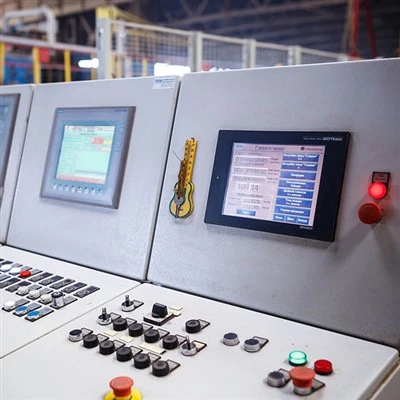
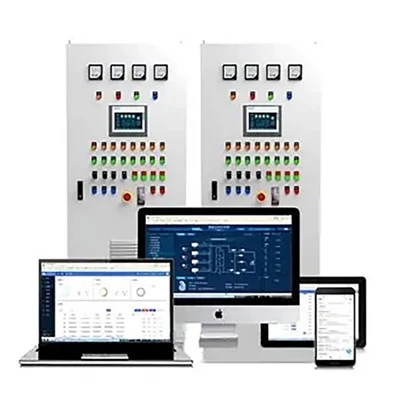
Control and safety systems tie all these parts together. Without a smart control system, even the best heating chamber or atmosphere setup is useless. Modern annealing furnaces use PLC (programmable logic controller) systems that let you input specific cycles: set temperature, hold time, gas levels, and cooling rate, then let the furnace run automatically. These controls also track data, so you can monitor every batch, adjust cycles as needed, and generate reports for quality compliance—critical for industries like aerospace or automotive, where traceability is mandatory. Safety systems are equally important: over-temperature shutoffs that turn off heating elements if temperatures exceed limits, gas leak detectors for atmosphere systems, and pressure relief valves to prevent overpressurization in the chamber. I once installed a furnace in a small fabrication shop that didn’t have a gas leak detector; six months later, a small leak went undetected, leading to a minor explosion that damaged the chamber and the surrounding equipment. That’s why any reputable supplier will prioritize safety features, not just functionality.
Now, let’s talk about what sets a good supplier apart. Over the years, I’ve worked with clients who’ve bought cheap furnaces from overseas vendors, only to face parts shortages, no support, and constant breakdowns. A reputable supplier won’t just sell you a furnace—they’ll walk you through selecting the right parts for your specific needs. For example, if you’re annealing small, high-precision parts like medical tools, they’ll recommend a small batch furnace with precise atmosphere control and RGC. If you’re doing high-volume automotive sheet metal, they’ll suggest a continuous furnace with a long heating zone and a robust load conveyor. They’ll also provide after-sales support: on-site installation, training for your operators, and spare parts available within 24-48 hours, not weeks.
If you’re in the market for an annealing furnace, don’t just focus on price. Ask about each component’s material, quality, and warranty. Ask about the control system’s compatibility with your existing production line, and whether the supplier can customize the furnace for your specific materials and production volume. As someone who’s been in this industry long enough to see the mistakes, I can tell you that investing in quality parts upfront saves you thousands in downtime, scrap, and repairs later.
At the end of the day, an annealing furnace is a system, not a single component. Each part works in tandem to deliver consistent, high-quality results. Whether you’re annealing steel, aluminum, copper, or specialty alloys, understanding these core parts will help you make an informed decision. If you’re ready to discuss your annealing needs, or have questions about specific components for your production, reach out to our team for a customized consultation. We’ll walk through your requirements, explain the right parts for your setup, and help you find a furnace that fits your budget and production goals.
Electric Furnace References
- ASM International. (2018). Heat Treater’s Guide: Practices and Procedures for Irons and Steels. ASM International.
- Groover, M. P. (2020). Fundamentals of Modern Manufacturing: Materials, Processes, and Systems. John Wiley & Sons.
- U.S. Department of Energy. (2019). Energy Efficiency Guidelines for Industrial Heating Equipment. Office of Energy Efficiency and Renewable Energy.
- American Iron and Steel Institute. (2021). Continuous Annealing of Steel Sheet: Equipment and Process Controls. AISI.
Danyang Dingfeng Industrial Furnace Co., Ltd.
Danyang Dingfeng Industrial Furnace Co., Ltd. is one of the most experienced annealing furnace manufacturers and suppliers in China, also supports customized service with low price. Please feel free to wholesale high quality annealing furnace made in China here from our factory. For pricelist, contact us now.
Address: Lizhuang Economic Development Zone, Danyang City
E-mail: saleszk@dffurnace.com
WebSite: https://www.dffurnace.com/
