Hey there, if you’re standing in your living room, staring at your old front door that’s warped at the bottom, or trying to pick doors for a whole new house build, you’ve probably heard about WPC doors—those fiber-reinforced polymer hybrid doors that’ve been blowing up lately. As a WPC door supplier, I’ve chatted with hundreds of homeowners and contractors over the years, and the number one question I get is: “How the hell do I actually pick the right one for my place, without getting ripped off or stuck with a garbage door in 2 years?” Fair enough. I’m gonna break this down like I’d chat with a buddy over coffee, no jargon, no fancy sales fluff, just real stuff that actually matters. WPC Door
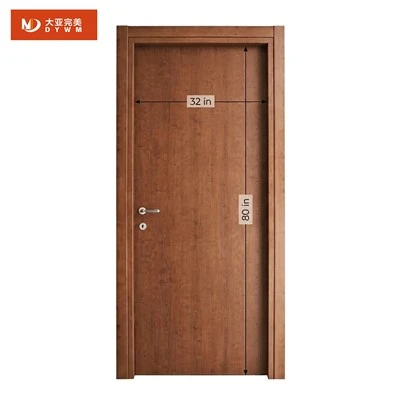
First off, let’s cut the confusion: WPC stands for Wood Plastic Composite, right? It’s not solid wood, it’s not 100% plastic. It’s a mix of real wood fibers (usually sawmill scraps, so it’s way more eco than solid wood or virgin plastic) and thermoplastic resin, plus some stabilizers and UV inhibitors to make it work for doors. The big selling points? It doesn’t warp, rot, crack, or get eaten by termites—stuff that ruins solid wood doors in like 5 years if you live in a humid area, or in a dry place with big temperature swings. But not all WPC doors are created equal. Let’s start with the basics you need to nail down first.
First, figure out where this door is going. Wait, that sounds stupid, but hear me out. The front door that faces the sun and rain is way different than a bedroom door that never gets direct moisture, right? I had a client last year who bought the cheapest WPC door online, put it on their front porch, and it started peeling at the edges in 8 months. Why? Because they used an interior-rated door outside. Duh. So split your doors into three main zones: exterior, high-moisture interior, and low-moisture interior. That’ll narrow your search instantly.
Exterior WPC doors are non-negotiable if you live somewhere with rain, snow, super hot sun, or high humidity (like Florida, the Pacific Northwest, or even the Deep South). These have extra UV stabilizers and waterproofing compounds that interior doors don’t. If you put an interior WPC door outside, it’ll fade, crack, or delaminate way faster than it should. I’ve seen that happen so many times, it’s not even funny. Last month, a lady from Atlanta came in with a door she ordered from a big-box store, said it “looked like a plastic toy” after 6 months on her back porch—turns out she got an interior door, and the sun just ate the coating. Save yourself that headache.
High-moisture interior doors go in bathrooms, laundry rooms, basement entries, maybe a kitchen if you’re someone who splashes water all the time. These need to be moisture-resistant, not just water-proof. They can handle occasional spills or steam, but if you get a door that’s only rated for dry spaces, it’ll swell a little over time, making it hard to close. I always tell people, for bathrooms, skip the cheap WPC that’s only for bedrooms—pay the extra 10-15% for the high-moisture rated ones. They’re worth it.
Low-moisture interior doors are for bedrooms, home offices, guest rooms, closets. These are the most common type, and they’re usually the most affordable, but they still have quality differences. Good news here: you can get pretty nice, durable doors here without breaking the bank, as long as you know what to check.
Next up, what’s the core material of the WPC door? Wait, WPC is WPC, right? No. There are different grades, and the cheap ones use way more plastic than wood fiber, or worse, recycled plastic that’s full of chemicals. Wait, no—actually, the good ones are balanced. Let me explain: solid WPC core vs. hollow core. Oh right, that’s a huge split I see people mix up all the time. Solid WPC cores are way heavier, way more soundproof, way better for exterior doors or rooms where you want privacy (like a master bedroom). Hollow core WPC is lighter, cheaper, good for interior doors that don’t get a lot of heavy use (like a guest room closet, or a kid’s playroom door). But hollow core? Don’t use that for the front door. It’ll feel flimsy, anyone can kick it in, and it doesn’t insulate at all. I had a guy tell me he put a hollow WPC front door in his apartment, and you could hear every neighbor’s conversation through it. That’s not the vibe.
Then there’s the wood fiber to plastic ratio. The best WPC doors have a 60-40 or 65-35 wood to plastic mix. Why? Too much plastic and it feels like a cheap toy, can get brittle in cold weather (like if you live in Minnesota, a super plastic-heavy door might crack if it’s -20 outside). Too much wood, and it warps or rots, just like solid wood. The 60/40 sweet spot is where WPC works best—has the look and feel of real wood, but none of the flaws. How do you tell? Pick it up. Solid core is heavy, hollow is light. Run your hand over the surface: if it feels grainy, not smooth, that’s probably high wood content, which might be bad. If it feels too slick, like a plastic tablecloth, that’s too much plastic. The good ones have a slight wood grain texture that’s smooth to the touch.
Now, the surface finish. This is where most homeowners get burned, tbh. The finish is what protects the door, makes it look good, and keeps it from fading or peeling. There are three main types of finishes you’ll see on WPC doors: veneer laminate (also called melamine), PVC foil, and solid color paint (or sometimes a real wood veneer finish). Let’s break them down.
Melamine laminate is the cheapest option. It’s a thin layer pressed onto the WPC core. It works, but it’s prone to chipping if you bang it with a chair, and it fades really fast in direct sun. I don’t recommend this for exterior doors, or even high-traffic interior doors. Save this for a closet door that never gets touched.
PVC foil is a step up. It’s thicker than melamine, more flexible, so it doesn’t chip as easy, and it has UV inhibitors so it holds up outside way better. The downside? If it gets a big tear or scratch, it’s almost impossible to fix—you can’t sand it and repaint, it’s plastic. But for the price, it’s a solid choice for exterior or high-moisture doors. The good ones come in wood grain patterns that look really real, you’d have to get up super close to tell it’s not solid wood.
The top tier finish is solid wood veneer, or a high-durability paint (like polyurethane or acrylic). These feel exactly like solid wood doors—you can sand them and refinish them if you get a scratch, they hold up great outside if they’re rated for it, and they look way more premium. The only catch? They’re a little more expensive, usually 20-30% more than PVC foil. But if you’re building a forever home, or want doors that add value to your house, this is the way to go. I always tell clients: if you’re gonna live in this house for 10+ years, skip the cheap finishes, go for the veneer or high-quality paint. It’ll save you money in the long run because you won’t have to replace the door in 5 years.
Wait, what about installation? Oh my god, this is such a big one that no one talks about. A door is only as good as the way it’s installed. I’ve seen a $500 WPC door warp because some handyman nailed it wrong, or didn’t use the right frame. WPC doors need a solid, properly aligned frame—usually made of solid wood or aluminum, not a flimsy particleboard frame. If you get a pre-hung door (which is what most people should buy, way easier to install than a slab door), make sure the frame is sturdy. Also, don’t skip the sealant around the edges, especially for exterior doors. I’ve had customers come back a year later saying their door is leaking water, and it’s because they or their installer didn’t use a good silicone or acrylic sealant around the frame. Don’t cut corners here.
Now, let’s talk about little extras that make a big difference. Hardware, for one. WPC doors work with standard door hardware (knobs, hinges, deadbolts), but you don’t want cheap hardware that’ll scratch the surface. Also, some WPC doors come with insulation—big plus for people who live in cold or hot climates, because it saves on energy bills. Soundproofing is another thing: solid core WPC doors are way better than hollow ones for noise, so if you live on a busy street, or want a quiet master bedroom, go solid core. And wait, what about eco-friendliness? A lot of people ask me that. WPC doors are way more eco than solid wood, because they use wood waste from sawmills—so instead of that sawdust going to a landfill, it’s turned into a usable product. The good ones don’t have toxic chemicals (we use non-VOC resins and stabilizers), so they’re safe for kids and pets. The cheap ones? They might have formaldehyde in the resin, so ask your supplier for a safety certificate, that’s non-negotiable.
Wait, let’s get real about what to avoid. The red flags to watch for: first, prices that seem too good to be true. If a solid core WPC front door is $150, it’s garbage. No way that’s a good product. Second, no warranty. Any reputable WPC door supplier should offer at least a 5-year warranty for interior doors, 10-year for exterior doors. If a company won’t stand behind their product, walk away. Third, unclear specs. If a salesperson can’t tell you the wood/plastic ratio, the core type, or if the door is rated for exterior use, that’s a bad sign. They’re hiding something.
Let me give you a quick example of a bad call vs. a good call. A couple last year came to me, they were building a small cabin in the mountains. They tried to save money, got cheap hollow core WPC doors for all their rooms. Winter came, temperatures dropped to 10 degrees, two of the bedroom doors cracked right down the middle. Why? Too much plastic in the core, so it became brittle in the cold, and hollow core doesn’t handle temperature swings well. They ended up having to replace them with solid core, 60/40 wood/plastic doors, cost them way more in the end. If they’d just paid a little more upfront, they wouldn’t have had that problem. That’s the thing with doors—you’re gonna use them every single day, multiple times a day. They’re not a decoration, they’re a functional part of your home. So skimping on quality usually costs you more later.
Another example: a lady from Miami needed an exterior door for her patio. She wanted a white door, didn’t want it to fade in the Florida sun. She went for the cheapest exterior WPC door, had melamine finish. By 6 months, it was yellowed at the top where the sun hit, peeling at the edges. I showed her a PVC foil exterior door with UV protection, same size, $100 more. She got that, and 2 years later, it’s still white, no peeling, no issues. Worth every extra buck.
Now, let’s wrap this up, and talk about next steps. At the end of the day, choosing a WPC door isn’t rocket science. It’s about matching the door to where it’s going, checking the core and finish, not skimping on installation, and working with a supplier you trust. If you’re still not sure what door is right for your home, or want to ask about specific grades, finishes, or sizes, hit me up. We can chat through your space, answer any questions you have, and get you a quote that fits your budget. No pressure, no salesy push, just real advice from someone who’s been in this game for years, knows WPC doors inside and out.
Wait, one last tip: if you’re ordering online, order a sample first. Almost every good supplier (including us, fyi) will send a free or low-cost sample of the door finish, so you can feel the texture, check the color, see how thick the core is. Don’t buy a door sight unseen. Trust your hands—if the sample feels flimsy, or the finish is thin, pass. The sample will tell you everything you need to know before you buy.
Look, I get it—home projects are stressful. You’ve got so many decisions to make, so many things to budget for. Doors might seem like a small part, but they make a huge difference in how your home feels, how much it costs to heat and cool, and how long it lasts. WPC doors are a great option if you pick the right one, but only if you do your homework. Skip the cheap stuff, pay attention to the specs, and don’t be afraid to ask questions.

If you’re ready to look at WPC doors for your home, or have questions about anything I talked about here, reach out. We’re here to help you pick the right doors, no matter your space or budget. No weird hoops, no hidden fees, just straightforward advice and quality doors. Let’s get your home set up with doors that work for you, not against you.
PVC Door References:
- "Wood-Plastic Composites for Building Applications: Performance and Sustainability," Journal of Building Construction and Materials, 2021.
- "Residential Door Selection Guide," National Association of Home Builders (NAHB), 2022.
- "Durability Test Standards for Exterior Building Materials," International Code Council (ICC), 2020.
- "Eco-Friendly Building Materials: WPC vs. Traditional Wood Products," Environmental Protection Agency (EPA), 2023.
One May Dee Show Furniture Co., Ltd.
As one of the most professional wpc door manufacturers and suppliers in China, we’re featured by quality products and good price. Please rest assured to wholesale cheap wpc door made in China here and get quotation from our factory. Customized orders are welcome.
Address: Laomiao Village, Dacheng Town, Sanyuan County, Xianyang City, Shaanxi Province, China.
E-mail: trade@omdoor.com
WebSite: https://www.omdoor.com/
