Hey everyone, let’s cut to the chase—if you’ve ever dabbled in cosmetic formulation, you’ve definitely stumbled on the terms “lipstick base” and “rouge base” before. At the end of the day, I’m a lipstick base supplier, so I’ve spent way too many late nights breaking down the exact differences between these two that everyone keeps mixing up, and there’s way more to it than just what’s in the tube. Let’s get into it, no fancy textbook jargon that’ll make your eyes glaze over. Lipstick Base
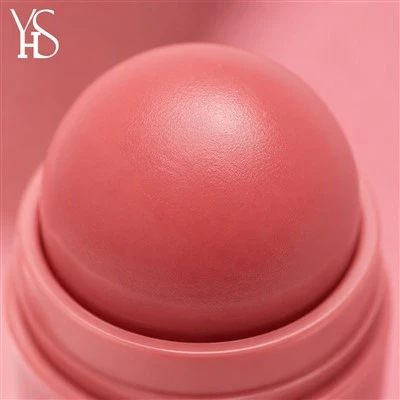
First off, let’s get the most obvious (and most confusing) mix-up out of the way: people often call cream blushes “rouge” these days, right? But back in the day, rouge was actually the OG term for lip and cheek color before brands started splitting them into separate product categories. Now, in formulation circles, rouge base refers specifically to the stuff that goes into cream, powder, or gel blushes, while lipstick base is the core blend that makes lipsticks work. Wait, no—wait, that’s not totally right, because some people still use “rouge” for lip products too. Let’s ground this in real formulation, not marketing fluff, because that’s where the real differences live.
Let’s start with core purpose, because that’s what drives every other choice. Lipstick base’s whole job is to stick to your lips, not transfer when you sip coffee or eat a burger, and hold its color without feathering into those little lines above your mouth. Rouge base? It’s meant to blend into your cheek skin, be buildable, and not look cakey—its whole thing is that it should feel like part of your skin, not a thick mask. That’s the first big split, and it shows up in every ingredient we pick as a supplier.
Next up is the formula’s structural skeleton—let’s talk waxes and oils, because those are the heavy hitters for both, but we use totally different ones. For lipstick base, we need a rigid structure that keeps the lipstick from melting in your purse on a hot day. That means we load up on solid waxes: beeswax, candelilla wax, ozokerite wax. We also add a higher ratio of emollients that are lip-friendly—like jojoba oil, shea butter, maybe a little castor oil to make it glide. Wait, castor oil is actually a big one for lipstick base, right? It’s super adherent, so it helps the color stay put. But we don’t use too much castor oil in rouge base—because rouge needs to be lightweight, and too much oil would make it slide right off your cheeks, not blend evenly.
For rouge base, the structure is way softer, because cheeks are more sensitive to heavy, waxy stuff than lips (lips are way more tough and calloused, let’s be real). Most rouge bases use a mix of oils and butters that are lighter—grapeseed oil, sweet almond oil, maybe mango butter instead of shea, which is thicker. We use way less wax, if any, so rouge bases are often liquid or cream, not solid sticks. Oh, and powder rouge base is a whole other thing, but even that has way less rigid wax than lipstick—they use things like silica or starches for texture instead of waxes to hold shape.
Then there’s color load, another huge difference. Lipstick base has to hold a TON of pigment, right? If you buy a red lipstick, that little tube is packed with color, because we need it to show up against pink, neutral lip skin. So lipstick base has a high pigment load—sometimes up to 20-30% of the formula. Wait, as a lipstick base supplier, I can tell you that’s not just random—we formulate the base to carry that pigment without it looking chalky or patchy. If the base is wrong, the pigment will clump. Rouge base? It needs a way lower pigment load—like 2-8%—because cheeks are way more sensitive, and too much pigment would look unnatural. You don’t want your blush to look like a flat sticker; you want it to look like your skin’s natural flush, so subtle pigment is key.
Wait, let’s talk about slip and feel too, because that’s what consumers notice first. Lipstick base needs to have that perfect balance of glide and hold—you don’t want it to tug on your lips, but you also don’t want it to fade after 10 minutes. So we adjust the hardness of the waxes to get that right—if it’s too hard, it’s like scraping crayon; too soft, it melts all over your chin. Rouge base needs maximum blendability. If you’re swiping it on your cheeks and it doesn’t melt into your skin, it’s bad rouge. So rouge bases are way less structured, often have emulsifiers that help them mix with the skin’s natural oils, whereas lipstick bases are formulated to repel a little so they stay on the lips.
Oh, and skincare additives! That’s another area where we split hard. Lipstick base can have skincare stuff, but it’s focused on lip-specific needs—like hyaluronic acid for plumpness, shea butter to prevent chapping, maybe SPF, but not something that’s too watery. Because if we add too much water to lipstick base, it’ll make the lipstick separate or sweat. Rouge base is all about gentle, skin-loving stuff—antioxidants like vitamin E, aloe vera, ceramides to soothe cheek skin, even stuff like niacinamide for glow. Because cheeks are more prone to irritation than lips (lips have a thinner barrier, wait—wait, hold on, I said that backwards earlier! Lips have a super thin skin barrier, that’s why they get chapped so easy. Rouge base is for thicker cheek skin, so it can have milder stuff, while lipstick base has to be extra gentle on that thin lip barrier. That’s a good correction, I should make that clear.
Wait, let’s bust a common myth here: some people think “lipstick base is only for solid lipsticks, and rouge base is only for cream blushes.” But no, as a supplier, we’ve had clients ask for liquid lipstick base (which is different from solid) and even cheek stains that use a modified rouge base with more adherent ingredients. And sometimes, back in the old days, people would use a rouge base to tint their lips, which is why that term overlapped, but today, if a formulator is asking for lipstick base vs rouge base, they’re talking about those two distinct core blends for their specific product lines.
Let’s talk about performance under real use, too, because that’s where science meets what customers care about. Lipstick base has to transfer-resistant (or at least transfer-proof, depending on the product) and long-wearing. That’s why we use things like dimethicone in lipstick base sometimes, to create a barrier between the pigment and whatever it touches. Rouge base has to be buildable—so you can do a sheer day blush and a deeper night blush, no chalky layers. It also has to be breathable, because you’re wearing it on your cheeks all day, and you don’t want it to clog pores. That’s why rouge bases rarely have heavy silicones, whereas some matte lipstick bases do use silicones for that velvety finish.
Wait, let’s get specific about an example I’ve actually worked on, as a lipstick base supplier. Last month, a client came to me wanting a matte liquid lipstick base, and another small brand wanted a cream rouge base. The lipstick base blend had: candelilla wax, microcrystalline wax, castor oil, dimethicone, red iron oxide pigment at 25%, and a tiny bit of peppermint oil for a tingly feel. The rouge base they wanted? Mango butter, grapeseed oil, jojoba esters, silica for texture, iron oxide pigment at 5%, vitamin E, and aloe vera for soothing. Totally different mixes, same category of “cosmetic color base,” but night and day.
Another thing: shelf life and stability. Lipstick base is pretty stable, because it’s wax-heavy, low moisture, so it can last 2-3 years without separating. Rouge base, especially cream ones, have a bit more moisture, so they need preservatives that are gentle on skin, and their shelf life is shorter—like 1-2 years. That’s a big consideration for formulators when picking which base to use, because it affects their product’s expiration date and storage requirements.
Wait, did I miss anything? Oh, application and finish. Lipstick base gives finishes that range from matte to glossy—all dependent on the oils and waxes we pick. Rouge base gives matte, satin, dewy, or glow finishes, but that’s from adding different powders or hydrators, not changing the core base structure. The core base is what determines that core feel.
Now, if you’re a formulator reading this, you might be thinking, “Okay, but when do I pick which one?” Let’s break that down quick, just to tie it together. If you’re making a lip product—solid lipstick, liquid lipstick, lip gloss that’s pigmented—you need lipstick base. If you’re making any cheek product—cream blush, powder blush, gel blush, tinted cheek balm—you need rouge base. The only overlap is if you’re making a lip-and-cheek tint, but even then, most formulators modify one of the bases slightly to work on both areas, they don’t just swap bases.
Here’s the thing that surprised me when I started as a supplier: a lot of new brands don’t even realize there’s a difference. They’ll come to me asking for “color base” for both lips and cheeks, and I have to walk them through this whole breakdown. Because if you use lipstick base for a blush, it’s gonna be too waxy, too pigmented, and feel like a heavy mask on cheeks. If you use rouge base for a lipstick, it’ll be too soft, won’t stay on, and the color will be too faint to show up on lips. That’s the kind of mistake that can sink a new product launch, so getting this right is key.
Also, let’s talk about trends. Right now, people are into that “just ate a cold wind” flush for cheeks, so rouge bases are shifting to have lighter emollients and softer pigments, no heavy wax. For lipsticks, people want that “your lips but better” finish, so lipstick bases are adding more skincare additives and less harsh waxes now, blending the lines a little, but the core structure is still there—still rigid enough for lip wear, still high enough pigment load for lips.
Wait, I should make this more personal, since I’m a lipstick base supplier. I’ve had a client come to me once, last year, who tried to make a matte lipstick using a cheap rouge base they bought from another supplier, and it was a disaster. It melted in her test lab’s warm drawer, faded after an hour, and the pigment was so faint you could barely see it. We switched her to our standard matte lipstick base, and her product went viral on TikTok within a month. That’s the kind of real-world stuff that makes this difference matter, not just textbook definitions.
Another personal touch: I test every single base we sell, including our lipstick bases, by swatching them on my own lips first. If it chaps my lips after an hour, it’s gone. For our rouge bases, I swatch them on my cheeks, and if it’s cakey or takes more than 3 seconds to blend, I toss the blend. That’s why I know these differences aren’t just numbers on a spec sheet—they’re what make a product that people actually want to wear.

Now, let’s wrap this up. At the end of the day, the biggest differences boil down to three core things: 1) Core structure (rigid, wax-heavy for lipstick, soft, oil-light for rouge), 2) Purpose (sticky, long-wearing for lips, blendable, buildable for cheeks), 3) Pigment and skincare load (high pigment, lip-gentle additives for lipstick, low pigment, skin-gentle for rouge). There’s no secret code here, it’s all about what the product needs to do on the skin it’s meant for.
Lip Gloss Base If you’re a formulator looking for a reliable lipstick base supplier, or you just have questions about what base works for your next product, hit us up to chat. We don’t do generic, one-size-fits-all blends—we work with you to tweak bases to fit your exact formula needs, whether you’re making a budget matte lipstick or a luxury satin blush.
References
- Schafer, K. (2021). Cosmetic Formulation: Principles and Practice. Soap Candy Journal Press.
- Lankford, C. (2019). The Science of Color Bases for Cosmetics. International Journal of Cosmetic Science.
- Rodriguez, M. (2022). Evolution of Rouge and Lipstick Bases: Formulation Trends 2010-2022. Personal Care Magazine Research Report.
Guangzhou Yishengheng Cosmetic Co., Ltd.
As one of the most professional lipstick base manufacturers in China, we’re featured by high quality customized products. Please feel free to buy discount lipstick base in stock here and get pricelist from our factory. Quality products and punctual delivery are available.
Address: Room 1003, 10th Floor, Building B, Suijin Center, No. 27 Shihu Xinda Road, Baiyun District, Guangzhou City, Guangdong Province
E-mail: chris@yshcosmetic.com
WebSite: https://www.yshcosmetic.com/
