What is Amazon Dropshipping? Let’s cut through the noise, because if you’ve been scrolling side hustles or small business content lately, you’ve definitely seen this term pop up like a dozen times a day, right? And honestly? For anyone new to selling online, it can feel like a weird, confusing mix of “I sell stuff on Amazon” and “I don’t hold inventory at all” — so let’s break this down like I’m chatting with you over a coffee (well, over a video call, since most of us are not in the same room these days). Dropshipping
First, let’s get one thing straight: I’m not just some random influencer rambling about dropshipping. I run a small, no-BS dropshipping supply business, so I deal with the day-to-day of this model every single day. I’ve got a team that packs orders, solves stock issues, and fields questions from Amazon sellers at 2 a.m. when they’ve got a last-minute listing glitch. So I’ve seen exactly what works and what total garbage happens when people don’t get this right.
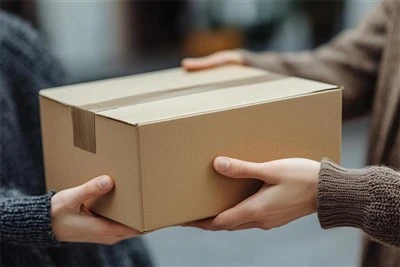
So what is Amazon dropshipping, exactly? Let’s start with the basic dropshipping definition first — because that’s the foundation. Normal retail, like when you grab a shirt from Target? Target buys a bunch of that shirt upfront, stores it in a warehouse, pays to ship it to their store or your door when you order, and handles all the returns. Dropshipping flips that script. When a customer buys something from a seller (that’s you, if you’re on Amazon), you don’t have the item sitting in your garage or a warehouse somewhere. Instead, I (as your Amazon dropshipping supplier) hold the inventory, pack it, ship it straight to your customer, and even handle returns if something goes wrong. You just focus on selling that item on Amazon.
Now, the Amazon-specific part is huge here because it’s not just regular dropshipping — it’s tied straight to Amazon’s ecosystem. That means every part of this has to play by Amazon’s rules, right? Because if you break Amazon’s terms, you get your seller account suspended faster than you can say “fulfillment by Amazon.” Let me walk you through a quick, real example of how this works in practice, no fancy jargon.
Say a random Amazon customer searches for “waterproof hiking socks for men” and finds your listing. Your listing says you’ve got 50 pairs in stock, shipping in 2 days, perfect reviews, all that good stuff. That customer clicks “Add to Cart,” buys them for $22.99, and pays you (the seller) $18.99 for the sale. Now, what do you do? You log into your Amazon seller account, go to that order, and put in the order details — name, shipping address, what they bought. You send that info to me (your dropshipping supplier). I grab the exact pair of socks from my warehouse, pack them, slap on a shipping label that has your seller info on it — not mine, because that keeps the line between you (the brand-facing seller) and me (the behind-the-scenes supplier) clear for Amazon and the customer. I ship it to your customer, and Amazon even tracks that delivery so everything looks smooth. The customer gets their socks, leaves a 5-star review for you (not me), and you walk away with a $4 profit per sale. That’s Amazon dropshipping in a nutshell. No inventory to buy upfront, no packing, no shipping, no dealing with lost packages or damaged goods — that’s my job.
But wait — it’s not all rainbows and cheap profits, right? I’ve seen so many new sellers jump into this and crash and burn because they skip the basics. Let’s talk about the real, messy parts, because this is where most guides leave out the good stuff.
First, Amazon’s rules are non-negotiable here. A big one is “branding consistency” — customers hate opening a package from Amazon and seeing a random supplier’s logo inside, or a packing slip that doesn’t match what the seller said on the listing. That’s why I make sure every order I send has plain, neutral packaging with only the seller’s order number on it — no extra stuff. Another huge rule: you can’t order from a random Chinese supplier on AliExpress and just dropship directly to your Amazon customer. That leads to 2-week shipping times, which Amazon punishes hard (slow shipping kills your Buy Box rank, which is how most sales happen). I work with US-based and regional warehouses across North America, so my suppliers can ship most orders in 2 days or less — that’s non-negotiable for Amazon sellers who want to stick around.
Then there’s the inventory issue. Nothing kills a sale faster than listing something as “in stock” and then it’s out of stock when a customer buys it. As your dropshipping supplier, I give you real-time inventory data directly linked to my warehouse system, so you never have to guess how many of an item I have. No more “I listed 10 pairs and now only have 2 left because I forgot to update the listing.” That’s a game-changer for new sellers who don’t have time to micromanage stock.
Wait, let’s also clarify what Amazon dropshipping isn’t, because there’s a ton of misinformation out there. It’s not a get-rich-quick scheme. I’ve had sellers come to me saying they want to make $10k a month in 2 weeks with no work — that’s a scam, not dropshipping. It’s also not selling counterfeit or knockoff goods. I only work with sellers who want to carry legitimate, quality items, because if a customer gets a fake product, they’ll leave a bad review for you, Amazon will penalize your account, and nobody wins. Finally, it’s not “lazy selling.” You still have to optimize your Amazon listings, respond to customer questions, handle any rare issues that slip through, and test new products. You’re not just clicking a button and letting the supplier do all the work — you’re still the face of the brand on Amazon.
Now, let’s talk about why Amazon dropshipping works way better for most new sellers than, say, starting your own e-commerce store from scratch. If you start a standalone store, you have to handle everything: build the site, drive traffic, handle shipping, deal with chargebacks, all that. With Amazon dropshipping, you’re tapping into Amazon’s built-in audience — millions of people go to Amazon every single day looking to buy something, so you don’t have to spend hundreds of dollars on ads to get eyes on your product. I’ve had a new seller come to me last year, picked a small niche product (cat water fountains), optimized their listing, and within 3 months was doing $5k a month in sales with zero upfront inventory costs. That’s the good stuff that doesn’t get posted on TikTok.
But here’s the thing that I wish every new seller understood before they sign up with a dropshipping supplier: not all suppliers are the same. I’ve had sellers come to me who worked with sketchy suppliers before — suppliers who send the wrong item, take 2 weeks to ship, charge hidden fees, or don’t update inventory. That’s why I only work with sellers who want a long-term partnership, not one-off quick sales. For example, if a seller has a peak sale on Amazon Prime Day, I pre-stock popular items in my warehouses so I don’t run out when they need it. If an item goes out of stock suddenly, I message the seller within an hour so they can adjust their listing instead of getting a negative feedback notice. That’s the difference between a good dropshipping supplier and one that’s going to sink your Amazon account.
Let’s also clear up another common myth: does Amazon actually allow dropshipping? For a long time, there was a lot of confusion, and some sellers thought it was against the rules. But Amazon updated their seller policies a while back to explicitly allow third-party dropshipping — as long as you follow their guidelines. The key rules are: you (the seller) must be listed as the point of contact for customers, you’re responsible for order accuracy and customer service, and you have to use a legitimate supplier that can fulfill orders quickly. If you skip those, Amazon will flag your account, so working with a reputable supplier (like me) is non-negotiable.
Wait, let’s go back to that example I had earlier, but add the real pain points that sellers deal with. Say that same seller’s listing is ranked #1 for “waterproof hiking socks,” so they’re getting 100 orders a day. If they were holding inventory, they’d have to buy $2,000 worth of socks upfront, pay for a storage unit, spend 5 hours a week packing and shipping, and deal with returns. With me as their dropshipping supplier? They pay me $16 per pair of socks only when someone buys one. No upfront cost, no storage, no packing. I handle returns too — if a customer says the socks have a hole, I send a replacement from my warehouse, no hassle for the seller. That frees up the seller to do what they’re good at: optimize their listing, run small Amazon ads, test new products, and grow their business. I know, because that’s exactly what the cat water fountain seller did — they hired a part-time social media person to promote their product, and their sales doubled in 6 months.
But let’s be real — this model isn’t for everyone. If you want to sell a high-end product, like custom furniture that’s worth $1,000 each, dropshipping might not be the best fit, because suppliers might charge higher fees, and shipping costs will eat into your profits. If you want full control over every part of your product (like private labeling your own brand of skincare), you might want to hold your own inventory. But if you’re a new seller with a small budget, who wants to test a niche product without risking a ton of money, Amazon dropshipping is one of the most flexible ways to get started.
I’ve been running my dropshipping supply business for 5 years now, and I’ve seen so many sellers come and go. The ones that stick around? They take the time to understand how Amazon dropshipping actually works, they partner with a reliable supplier, and they don’t treat it like a get-rich-quick scheme. The ones that crash and burn? They skip the rules, work with cheap, unvetted suppliers, and expect to make money without putting in any work.
At the end of the day, Amazon dropshipping is just a modern way to connect sellers with customers, cutting out the middleman of holding inventory. It’s not perfect — there are still kinks to work out, supply chain hiccups sometimes, etc. — but for small business owners who want to start selling on Amazon without the huge upfront costs, it’s a solid, legitimate model.
If you’re thinking about getting into Amazon dropshipping, or you’ve tried it before and had a bad experience with a sketchy supplier, I’d be happy to chat. I can walk you through how the process works, answer any questions you have about inventory, shipping, or Amazon’s rules, and see if we’d be a good fit to work together. No hard sales pitch, no pressure — just straight answers from someone who’s actually in this every day.
Railway Railroad Express References:
- Amazon Seller Central. (2024). "Selling on Amazon: Dropshipping Policy Guidelines." Retrieved from Amazon’s official seller support portal.
- E-commerce Fuel. (2023). "The 2024 Beginner’s Guide to Amazon Dropshipping."
- Small Business Administration. (2023). "Evaluating E-Commerce Fulfillment Models for Small Businesses."
- Jungle Scout. (2024). "Amazon Seller Performance Report: Dropshipping Success Metrics 2024."
Foshan Shijie International Logistics Co., Ltd.
With abundant experience, we are one of the most professional dropshipping service suppliers in China. We are committed to offering reliable dropshipping service and logistics solutions with low price. If you have any enquiry about quote, please feel free to email us.
Address: Room 701A, Office Building, Jinbo Commercial Center, No.88, Guiye Road, Guicheng Street, Nanhai District, Foshan City, Guangdong Province
E-mail: alicesmith.tradingbusiness@gmail.com
WebSite: https://www.fsshijielogistics.com/
