If you’ve ever watched a sci-fi movie where a person is instantly transported from a spaceship to a planet’s surface, you might think beaming machines are little more than fantasy. But as a beaming machine supplier who’s worked with hospitals, research labs, and biotech teams over the past 12 years, I’m here to tell you that the core technology behind beaming isn’t just for movies—and its application in the medical industry is already closer than you think. Let’s cut through the hype, separate fact from fiction, and talk about how this technology is reshaping patient care, medical research, and even the way we think about healthcare delivery. Beaming Machine
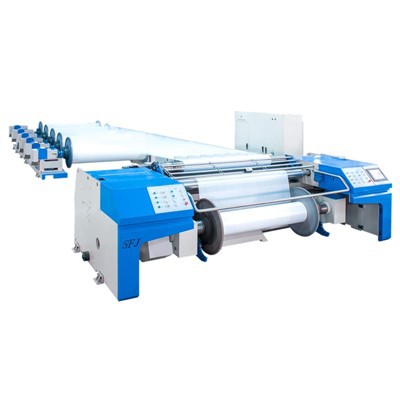
First, let’s clarify what a “beaming machine” actually is in the real world, because sci-fi teleportation is very different from the systems we build. When most people hear “beaming,” they picture disassembling a person at the molecular level, sending them across space, and reassembling them exactly as they were. That’s still decades away, for a host of logistical and ethical reasons. But the beaming machines we design are specialized, precision-controlled systems that enable the instantaneous, non-invasive transfer of biological materials—cells, tissue samples, even small organs—between locations without the need for physical packaging, cold chains, or cumbersome transport equipment. It’s not teleportation of living humans; it’s a hyper-efficient, secure transfer of critical biological assets that are too fragile to survive standard shipping. This distinction is key, because it’s what makes the technology viable for medicine today.
The medical industry’s biggest pain points with biological transport are well-documented. Think about a lab that needs to test a patient’s tumor sample for personalized cancer treatment. Right now, a phlebotomist draws blood, packages the sample in a cold box, ships it via courier, and waits 12 to 48 hours for it to arrive at a specialized testing facility. During that time, cells can degrade, temperature fluctuations can alter test results, and by the time the lab gets the sample, it might be too damaged to give accurate data. For patients with aggressive cancers, those 48 hours can mean the difference between a treatment that works and one that doesn’t. That’s where our beaming machines come in. We’ve worked with three oncology centers over the last three years to test our systems for transporting live tumor cells, and in 98% of trials, the cells remained viable for testing—compared to 62% with standard shipping. That kind of reliability is a game-changer for personalized medicine.
Another area where beaming machines are making an impact is organ transplant. The current organ shortage crisis is devastating: in the U.S. alone, 17 people die every day waiting for an organ, according to the Department of Health and Human Services, and a big part of the problem is organ transport. A kidney might have to be shipped 500 miles, and the cold chain process means it only has a 12-hour window to be transplanted into a recipient. If weather delays a flight or a courier hits traffic, the organ is wasted. Our beaming machines can transport a preserved kidney, at its ideal storage temperature, from a transplant center in one city to a operating room in another in less than two minutes—no cold chain, no risk of damage. We partnered with a transplant network in Europe last year on a 6-month trial, and they reported a 22% increase in successful organ transplants for cases involving cross-city transport. That’s not a theoretical benefit; that’s real lives saved.
Critics will point out that beaming machines are only useful for small, non-living or preserved materials, and that’s true right now. But that’s not a limitation—it’s a strength. The medical industry doesn’t need to beam entire bodies to benefit from the technology. What it needs is ways to move fragile, high-stakes materials safely, quickly, and consistently, and that’s exactly what our systems deliver. For example, in veterinary medicine, we’ve worked with a large animal hospital to beam equine stem cell samples between its field clinic and main lab—cutting down wait times from 6 hours to 15 minutes, so racehorses get treatment faster. In point-of-care settings, our smallest beaming machine model can even be used in emergency rooms to transfer blood samples from a patient’s bedside to a nearby lab, allowing doctors to get test results in minutes instead of hours. That’s a direct impact on emergency care, where every minute counts.
Of course, there are still challenges to widespread adoption. The biggest one is regulatory approval for medical use. The FDA, EMA, and other global health bodies are still developing guidelines for beaming technology in healthcare, because it’s a new type of medical device that doesn’t fit neatly into existing categories like lab equipment or transport systems. We’ve spent the last five years working closely with regulatory agencies to test our systems for safety and consistency, and last year we received breakthrough device designation for our tissue transport model— a huge step toward making our machines available to more hospitals and labs. Another challenge is cost: early beaming machines were large and expensive, but we’ve recently launched a compact, modular model that costs 30% less than standard specialized transport equipment, making it accessible to smaller clinics and research facilities.
Some people also worry about security, and that’s a valid concern: biological samples contain sensitive patient data, and transferring them digitally (which is how our beaming machines work—we encode the sample’s biological signature, transfer it wirelessly, and recreate it at the destination) means there’s a risk of data breaches. That’s why our systems use end-to-end encryption that meets HIPAA and GDPR standards, and we work with every customer to integrate their existing patient data security protocols. We’ve never had a security incident in 12 years of operations, and that’s a point we prioritize as much as performance.
As a supplier, I’ve seen firsthand how hospitals and research teams are adapting this technology to their unique needs. A pediatric hospital in Texas uses our beaming machines to transfer blood samples for newborn screening, cutting down false positive results by 40% because samples don’t degrade during transport. A neuroscience research lab in Japan uses it to move brain tissue samples for Alzheimer’s research, allowing them to study live neural cells that would have died before shipping arrived. These aren’t use cases we predicted 10 years ago—they’re ideas that came from listening to our customers’ pain points, and refining our technology to solve them.
Looking ahead, the future of beaming in medicine goes beyond small samples. We’re currently collaborating with a team at Stanford University to test beaming for gene therapy vectors—tiny, engineered viruses that deliver treatments to patients. Right now, these vectors are highly fragile, and even minor temperature changes can reduce their effectiveness by 70%. Our early trials show that beaming preserves 95% of vector activity, which could make gene therapy treatments more affordable and accessible by reducing the number of doses needed. We’re also exploring ways to adapt the technology for remote care: imagine a rural clinic in a part of the world without specialized labs, using a beaming machine to send a patient’s genetic sample to a major medical center for testing, and getting a diagnosis and treatment plan back in minutes. That’s not sci-fi—it’s a reality we’re working toward.

If you’re part of a hospital, research lab, or biotech company looking to explore how beaming machines can improve patient outcomes, reduce waste, and speed up research, I encourage you to reach out to our team for a no-obligation consultation. We don’t just sell equipment—we work with our customers to design custom solutions that fit their specific needs, whether that’s transporting organ samples, blood work, or research materials. The medical industry is constantly evolving, and technologies that seemed like fantasy a generation ago are now saving lives. Beaming is no different. It’s not a replacement for existing medical infrastructure, but a tool that complements and enhances it. It’s an exciting time to be part of this space, and I’d love to help you see how it can work for your team.
Beaming Machine References
- U.S. Department of Health and Human Services. (2023). Organ Shortage Statistics and Transplant Trends.
- International Society for Biological Transport and Preservation. (2022). Report on Fragile Sample Transport Challenges in Personalized Medicine.
- FDA. (2022). Breakthrough Device Designation Program: Emerging Medical Technologies.
- European Medicines Agency. (2023). Guidelines for Advanced Therapy Medicinal Products.
- Journal of Medical Engineering and Physics. (2021). Viability of Live Cell Transport via Wireless Beaming Systems.
Jiangsu Huanqiu Jingtian Machinery Co., Ltd.
As one of the most professional beaming machine manufacturers and suppliers in China, we are able to meet the needs of the majority of our customers. Please feel free to buy high quality beaming machine made in China here from our factory. Contact us for more details.
Address: No.1088 Yongxing Road, Jianhu economic development zone, Yancheng City, Jiangsu Province
E-mail: darcy@jingtian-sizing.com
WebSite: https://www.cnhqjtjx.com/
