Yo! I’m a supplier of forged valves, and today I wanna chat about something super important: the valve closing time of forged valves. Forged Valves
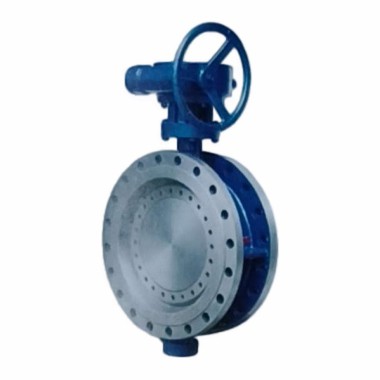
Let’s start with the basics. What the heck is valve closing time? Well, it’s the time it takes for a valve to go from its fully open position to its fully closed position. This might sound like a small detail, but it’s actually a game – changer in a whole bunch of industries.
You see, in different applications, the ideal valve closing time varies big time. Take the oil and gas industry, for example. When there’s a sudden emergency or a need to stop the flow of oil or gas quickly, a fast – closing valve is crucial. A slow – closing valve in this situation could lead to all sorts of problems, like leaks or even explosions. On the other hand, in some water treatment plants, a slower closing time might be preferred. This is because a sudden stop in water flow can create water hammer, which can damage pipes and equipment.
Now, let’s dig into what affects the valve closing time of forged valves. First off, the valve design plays a huge role. Forged valves come in different types, like gate valves, ball valves, and globe valves. Each type has its own characteristics when it comes to closing time.
Gate valves, for instance, are generally known for their relatively slow closing time. They work by raising and lowering a gate to control the flow. When closing, this gate has to descend through the valve body, which takes some time. But when they’re fully closed, they provide a tight seal, which is great for applications where you need zero leakage.
Ball valves, in contrast, can close really fast. They operate by rotating a ball with a hole in it. A simple quarter – turn can go from fully open to fully closed. This makes them perfect for applications where rapid shut – off is required, like in fire protection systems.
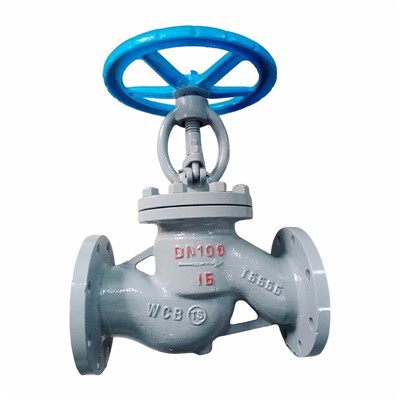
Globe valves have a more moderate closing time. They use a disc that moves perpendicular to the flow path. The closing speed can be adjusted depending on the application requirements.
Another factor that affects the valve closing time is the actuator. Actuators are devices that help open and close the valves. There are different types of actuators, such as electric, pneumatic, and hydraulic actuators.
Electric actuators offer precise control over the closing time. You can program them to close the valve at a specific speed, whether it’s fast or slow. They’re great for applications where accuracy is key, like in chemical processing plants.
Pneumatic actuators use compressed air to operate the valve. They can be quite fast, but their closing time can be affected by factors like air pressure and the size of the valve. If you need a valve to close quickly in a large – scale industrial setting, pneumatic actuators are often a good choice.
Hydraulic actuators use oil or other hydraulic fluids to generate force. They’re powerful and can handle large – sized valves. However, their closing time can be a bit slower compared to some pneumatic or electric actuators, especially if the hydraulic system needs to build up enough pressure.
The size of the valve also matters. Generally speaking, larger forged valves take longer to close than smaller ones. This is because there’s more distance for the closing mechanism to travel and more fluid flow to stop. For example, a small – diameter forged ball valve might close in just a few seconds, while a large – diameter gate valve could take minutes.
Fluid properties also have an impact on the valve closing time. If the fluid is thick and viscous, like heavy oil, it will resist the flow interruption more than a thin fluid like water. So, a valve closing against a viscous fluid might take longer to reach a fully closed position.
Now, let’s talk about why getting the valve closing time right is so important for our customers. In an industrial process, incorrect valve closing time can lead to inefficiencies. For example, if a valve closes too slowly in a production line, it can cause over – flow or under – control of the process fluid. This can result in product quality issues and increased production costs.
On the other hand, if a valve closes too quickly, it can cause mechanical stress on the valve and the connected piping. This can lead to premature wear and tear, and even valve failure. In some cases, it can also create safety hazards.
As a forged valve supplier, we understand how critical it is to provide valves with the appropriate closing time for our customers’ specific needs. We work closely with our clients to understand their application requirements, whether it’s a high – speed shut – off in a critical system or a gentle flow control in a less – demanding environment.
We have a team of experts who can analyze the factors involved in each situation, such as the type of fluid, the size of the pipeline, and the operating conditions. Based on this analysis, we can recommend the right type of forged valve and actuator combination to achieve the optimal closing time.
We also offer customization services. If our standard valve options don’t meet your exact requirements, we can modify the valve design or the actuator settings to get the desired closing time. We’re committed to ensuring that our customers get the best – performing forged valves for their operations.
In conclusion, the valve closing time of forged valves is a complex but extremely important aspect. It depends on factors like valve design, actuator type, valve size, and fluid properties. Getting it right can make a huge difference in the efficiency, safety, and reliability of industrial processes.
If you’re in the market for forged valves and are concerned about the valve closing time, don’t hesitate to reach out. We’re here to help you find the perfect solution for your needs. Let’s have a chat about your project, and I’m sure we can come up with a great valve system together.
Gate Valve References:
- "Valve Manual" by Valve Manufacturers Association
- "Industrial Fluid Control Handbook"
Xiongxiang Valve Group Co., Ltd.
As one of the most professional forged valves manufacturers and suppliers in China, we’re featured by quality products and good price. Please rest assured to wholesale cheap forged valves for sale here from our factory. Contact us for more details.
Address: Building 1, No.306, 12th Binhai Road, Jinkai District, Wenzhou City, Zhejiang Province, China
E-mail: info@xiongxiangvalve.com.cn
WebSite: https://www.steelvalvegroup.com/
