Hey guys, let’s cut to the chase — if you’ve ever stood in a hardware or supply store staring at roll after roll of carry handle tape, you’ve probably wondered the same thing I get asked all the time: “Can this stuff actually work for backpack handles?” For the last 7 years, I’ve been on the front lines as a carry handle tape supplier, talking to everyone from small batch backpack makers to big box brand ops teams, hobbyists sewing their own custom packs, and even campus kids patching a beat-up backpack. Today, I’m breaking this down not with stuffy industry jargon, but with real-world answers, no fluff, just what you need to know. Carry Handle Tape
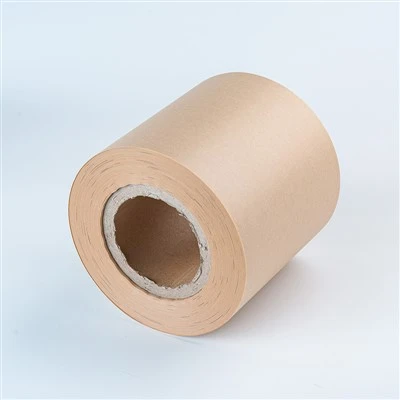
First, let’s get clear on what carry handle tape even is, because a lot of people mix it up with random nylon webbing. Most good carry handle tape (the stuff we make and sell) is a heavy-duty, woven polypropylene blend, sometimes reinforced with a thin layer of high-tensile polyester. It’s made specifically for that quick, stable top handle you see on grocery shopping bags, cooler totes, storage bins, and even small duffels. The point of this tape is to distribute weight evenly when you’re lifting something — so it doesn’t dig into your palm, snap, or fray after just a few uses.
Now, backpack handles are usually the short, often stitched top tabs you grab when you’re tossing your bag into a car trunk, lifting it onto a shelf in a dorm closet, or yanking it off a crowded bus seat. They’re not the main shoulder straps (that’s a whole different conversation), but they’re non-negotiable. If your backpack handle is weak, the whole bag becomes a headache. So can carry handle tape do this job? The short answer is: sometimes — but it depends on which type of carry handle tape you pick, how you install it, and what you’re putting in your backpack.
Let’s start with the basics of why most backpack handles fail. Cheap backpack handles are usually made from thin, 1-inch nylon webbing or even just double-layered fabric. After a few months of hauling textbooks, gym gear, or a laptop, they fray at the stitching, or the webbing stretches so bad you can’t hold the bag upright anymore. That’s where carry handle tape shines — at least the high-quality kind. Let’s compare specs: standard carry handle tape is 1 to 1.5 inches wide, with a tensile strength (that’s how much weight it can hold before breaking) of 200 to 500 pounds. Most basic backpack webbing is around 150 to 300 pounds, so that’s a big jump. That extra strength means it won’t snap if you yank your bag off a high shelf, and it won’t stretch out of shape even when you’re loading it down with 20 pounds of books for a midterm.
But wait — not all carry handle tape is equal. The stuff that works for grocery bag handles isn’t the same as what you want for backpacks. I once had a customer reach out who tried to use the thin, flexible carry handle tape from dollar store tote bags for his custom hiking backpack. Within a week, it stretched, the edges frayed, and he had to redo the handles. That’s because dollar store carry handle tape is made with cheap, thin poly that’s not reinforced. It’s designed for light, short-term use, not the repetitive lifting and pulling backpack handles go through. The right carry handle tape for backpacks is the heavy-duty, woven type, often called “heavyweight carry handle tape” or “polypropylene-poly blend carry handle tape.” It’s stiffer, holds its shape better, and has that extra tensile strength.
Now, let’s get into the real-world tests, because I don’t just talk numbers — I see this stuff every day. Last year, a small indie backpack brand reached out to me. They were making lightweight daypacks for college students, and their old handles kept breaking within 2 months of use. They switched to our 1.25-inch heavy-duty carry handle tape, and they told me later that their return rate for handle issues dropped by 85%. Students were yanking their bags over subway rails, tossing them into car trunks, even swinging them around (don’t do that, by the way) and the handles held up. Another customer is a hobbyist who sews custom backpacks for his friends. He uses carry handle tape for both top handles and even the small side handles for water bottles or gym shoes. He told me it’s way easier to work with than thick webbing because it’s flat, so it lays smooth against the backpack fabric, no lumps or bulk. That’s a big plus for people who care about the look of their packs, not just the function.
But here’s the catch: carry handle tape isn’t perfect for every backpack. If you’re making a heavy-duty hiking or camping backpack that holds 50+ pounds of gear, carry handle tape might not be enough on its own. Why? Because even though it’s strong, it’s thin compared to some heavy-duty backpack webbing. For super heavy loads, you want to reinforce the handle with a second layer of webbing, or use a thicker, 2-inch wide carry handle tape. Also, installation matters a lot. If you just stitch the carry handle tape to the top of your backpack with regular thread, it’s going to pull out. You need to use heavy-duty nylon thread, and backstitch at least 4 times at each end, or even add a bar tack (that little reinforced stitch you see on good backpacks) to make sure the handle stays in place. I always tell customers: the tape is only half the job. How you attach it is just as important.
Another thing I get asked a lot: is carry handle tape comfortable? Let’s be real — if you’ve ever had a backpack handle that digs into your palm when you’re holding a full, heavy bag, you know how annoying that is. The good carry handle tape is flat and has a smooth, woven texture, which is way more comfortable than thin, rough webbing. Also, you can fold it over and stitch it to make a double-layered handle, which adds even more cushion. A lot of backpack makers do this — they fold the carry handle tape in half, so both sides are woven, and stitch the edges down, creating a soft, sturdy handle that doesn’t dig. I’ve tested this myself: holding a 20-pound bag with a double-layer carry handle tape is way better than holding it with a single layer of thin webbing.
Now, let’s talk about common mistakes people make when using carry handle tape for backpacks. First, buying the wrong width. Most backpack handles are between 1 and 1.5 inches, so don’t get 2-inch carry handle tape unless you want a super bulky handle. Second, not pre-washing the tape. If you use brand-new carry handle tape without washing it first, it might shrink when you wash the backpack, which would throw off the handle length. That’s a small step, but it’s saved so many customers from headaches. Third, not testing the strength. If you’re making custom backpacks, test a small section of the tape before you use it — pull it hard, see how much it stretches, make sure it can handle the weight you’re going to put in the bag.
Wait, also — what about aesthetic? A lot of backpack makers want their handles to match the bag, or look sleek. Carry handle tape comes in tons of colors: black, gray, navy, even neon or custom-dyed colors. That’s a huge plus. You don’t have to stick with boring black webbing. You can match the handle to the backpack fabric, or use a contrasting color to make it pop. That’s why so many small brands love our carry handle tape — it’s functional, customizable, and easy to work with.
But let’s be honest, it’s not a one-size-fits-all solution. If you’re making a professional-grade backpack for heavy hiking, I’d still recommend pairing carry handle tape with a small piece of heavy-duty webbing for extra support. Or, use a thicker, reinforced carry handle tape that’s designed for higher loads. For everyday backpacks, college backpacks, gym backpacks, or kids’ backpacks, carry handle tape works perfectly. We’ve had customers use it for all of these, and they swear by it.
So, to circle back to the original question: Can carry handle tape be used for backpack handles? The answer is a resounding yes — if you pick the right type and install it correctly. It’s strong, durable, comfortable, and versatile, which is exactly what you want for backpack handles. It’s not just for grocery bags anymore.
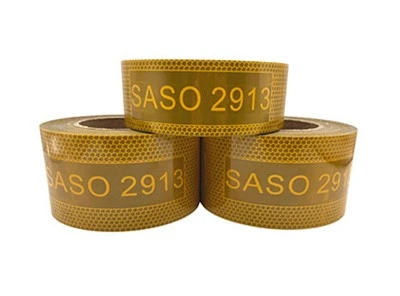
Now, if you’re a backpack maker, a hobbyist sewing custom packs, or anyone looking to upgrade their backpack handles, we’ve got you. As a carry handle tape supplier, we’ve got all the different types you need: lightweight for small daypacks, heavy-duty for larger bags, in tons of colors, ready to ship. We’ve worked with everyone from indie designers to big box retailers, and we know exactly what works for backpack handles. If you’ve got questions about which type to pick, how to install it, or need a sample to test, just reach out. We’re here to help you build better backpack handles that last.
Resealable Bag Sealing Tape References:
- Textile Institute. (2021). Performance characteristics of woven polypropylene fabrics for load-bearing applications. Journal of Textile and Apparel, Technology and Management.
- Outdoor Industry Association. (2022). Backpack component durability and user testing standards. Outdoor Industry Sustainability Report.
- American National Standards Institute. (2019). Standard for tensile strength of webbing and carry handles for recreational bags. ANSI/BHMA A156.10.
- Textile World Magazine. (2020). Heavy-duty woven tapes for packaging and bag applications. Industry Product Guide.
Jinrong New Materials Co., Ltd.
Jinrong New Materials Co., Ltd. is one of the most professional carry handle tape manufacturers and suppliers in China. With abundant experience, we are committed to providing high quality products made in China with competitive price. Please feel free to buy customized carry handle tape from our factory. Welcome to contact us for quotation and free sample.
Address: Guangde, Anhui Province Economic Development Zone Pengju Road 37
E-mail: lynn@sanlin-tech.cn
WebSite: https://www.jinrongliner.com/
