Hey everyone, Sarah here, founder of a small plush toy supply company that’s been around for 12 years. I spend way more time testing stitching strength than I do drinking my morning coffee, so today we’re talking about something that’s non-negotiable for my business: safety standards for plush toys. If you’ve ever bought a plush for a toddler, or freaked out a little when your dog chewed one up, this is for you. Plush Toys
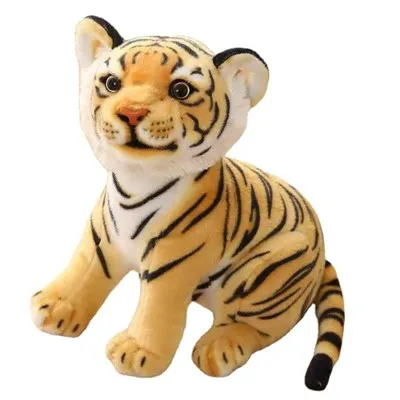
First off, let’s get one thing straight: “safety” isn’t just a buzzword I throw around to make my products sound good. For plush toys, there are actual rules—they vary a little by country, but they’re all built around the same core goal: keep kids (and even adults, because let’s be real, adult plush collectors out there) safe. I’ve worked with overseas factories and domestic labs, and the biggest mistake I see new suppliers make is thinking “standard” is one-size-fits-all. It’s not. It’s way more specific.
Let’s start with the big ones because they’re the ones I get asked about most. For the US, that’s ASTM F963. For the EU, it’s EN 71. Those are the two heavy hitters, and if your plush doesn’t meet both, I don’t care how cute the design is—it’s not going on my shelves. Wait, let’s break down what’s actually in those standards, because it’s not just “don’t use paint that’s toxic.” Let’s dive into each part, since that’s what I actually have to test for every single batch.
First, chemical safety. This is the stuff people panic about, and for good reason. Kids under three put everything in their mouths—my nephew once chewed a hole in a stuffed bear’s ear, so I don’t blame them. The standards ban heavy metals like lead, mercury, cadmium, arsenic, and all that junk. ASTM F963 limits lead in paint to 90 parts per million. That’s super low—like, you can’t even get a drop of lead if you tried. For EN 71, it’s almost the same, with specific limits for all those heavy metals, plus it bans toxic phthalates too. Phthalates are those plasticizers that make stuff soft, but some are linked to health issues, so both standards limit how much can be in toys, especially for little ones who mouth them.
I’ve had a couple of scares with this over the years. Early on, I worked with a factory that used a cheaper paint for a line of baby plushies—turns out it had 120ppm lead. I caught it in our pre-shipment test, sent the whole batch back, and ate the cost because there’s no way I’m sending that out. I’d rather lose money than get a call from a parent saying their kid chewed on the bear and got sick. That’s why I make every batch go through a third-party lab—no cutting corners here.
Next, physical safety. This is the stuff that’s not about what’s on the surface, but how the plush is made. Think about small parts. For plush toys meant for kids under three, anything smaller than a tennis ball is a no-go. That includes eyes, noses, tags, even little accessories like bows or tiny buttons. If a kid can pull it off and choke on it, it’s not allowed. I once had a designer want to add little plastic hearts to our cat plushies—total no. I replaced them with felt hearts that are stitched on super tight, no plastic at all.
Stitching strength is another big one. How tight should the seams be? The standards say you have to pull a seam with 5 pounds of force and it can’t tear. Wait, let me confirm that—yeah, ASTM says for plush toys for 18 months and up, the seam has to withstand at least 7 pounds of tension. That’s why I test every seam by hand when I get a sample. I yank on the arms, legs, ears, all of them, as hard as I can, and if they even give a little too much, I send it back. I once had a batch of unicorn plushies where the horn was stitched with only two lines of thread—pulled right off when I tested it. I made the factory re-stitch all of them with four lines of heavy-duty thread, no exceptions.
Then there’s stuffing and fabric. The stuffing has to be non-toxic, obviously. No weird smelly foam that off-gasses. The fabric has to be flame-resistant, too. Wait, right—both ASTM and EN 71 require plush toys to be flame-retardant, because if they get close to a candle or a heater, they shouldn’t catch fire easily. I remember a few years ago, there was a big recall of plush toys that used cheap fabric that burned super fast. I saw the photos, and it was terrifying. That’s why I only use fabric that’s been certified flame-resistant, not just “treated” with some random spray that washes off after a few washes.
What about adult plush toys, by the way? Like, the big giant ones people use as couch decor, not just for kids? They still have to meet safety standards, but some parts are different. Small parts are less of a risk for adults, but stitching strength is still key—you don’t want a giant plush elephant’s head falling off when someone sits on it. And they still have to meet flame-resistance and chemical standards, because even adults can have plushies near candles or use them for naps.
Wait, also—washability! So many people don’t think about this, but if a plush gets dirty, it’s going in the washing machine. The standards say that after 5 wash cycles, the stitching and parts still have to hold, and the fabric can’t fade or bleed dye onto other clothes. I test that too—wash samples 5 times on hot, yank the seams again, check for bleeding. If the dye runs, I can’t sell it. A customer once sent me a photo of a pink bear that bled onto a white t-shirt—total fail, I took it back and fixed the fabric for that line.
Now, what about standards for other countries? I know suppliers who only meet US standards, but if they want to sell to Europe, they have to meet EN 71. It’s not that hard, but you have to plan for it. I’ve had to adjust designs for European orders—for example, we don’t use any plastic eyes on plushies for under 3 there, because EN 71 bans small rigid parts for toddlers. So we switch to embroidered eyes instead, which are way safer anyway.
Also, recall stuff. If a plush is found to not meet standards, the supplier has to recall it. That’s a huge headache, but it’s necessary. A few years back, there was a recall of a popular plush line because the eyes were coming loose. The company didn’t check their stitching, and they ended up losing millions. I make sure every single batch has a full test report from our lab, so if there’s ever a problem, I can prove my products are safe.
Wait, let’s get real here—why does this matter? I’m not in this business just to make cute stuffed animals. I’m here to make products that kids can play with without me losing sleep. Last month, I got an email from a mom saying her 2-year-old has slept with our rabbit plush every night since she was 1, and it’s still her favorite. That’s the stuff that matters. If I cut corners on safety, that mom would never send that email. I’d be the reason someone had a bad experience, and I can’t live with that.
Now, if you’re a retail buyer looking for a plush supplier, or even a parent looking to buy safe plushies for your kid, here’s what to ask for: do your products meet ASTM F963 (US) and EN 71 (EU)? Can you send the third-party lab test reports for each batch? What are your small part policies for toddlers? What’s your return/recall process if there’s a problem? I always have those test reports ready to send within an hour of someone asking, no hoops to jump through.
I also want to talk about common myths. A lot of people think handmade plushies are automatically safer than mass-produced ones. No, that’s not true. A handmade plush could have weak stitching or use cheap fabric that’s not flame-resistant. Mass-produced ones that meet standards are way more consistent. I’ve bought handmade plushies for my niece before, and I always check those same safety points—doesn’t matter if it’s homemade or factory-made, safety is safety.
Another myth: “safe” plushies are boring. Are you kidding? I have a line of dinosaur plushies with embroidered spikes and glowing stars on their bellies, all of which meet every standard. We just released a line of baby sharks with tiny felt fins, no plastic, stitched on so tight they can’t be pulled off. Cute, safe, and kids go crazy for them. You don’t have to sacrifice design for safety.
At the end of the day, safety standards for plush toys are just rules to make sure the toys we love don’t hurt the people who love them. As a supplier, I take that super seriously. I don’t play around with this stuff. Every day, I’m checking samples, talking to our lab, making sure every stitch is tight and every paint is safe. If you’re a buyer looking for a plush supplier you can trust, someone who’s transparent about their safety processes, just reach out. I’d love to send over our test reports, samples, and chat about what you need for your store.
For anyone who’s still curious, here are the key sources I rely on for all these standards: ASTM International for F963, European Committee for Standardization for EN 71, and the U.S. Consumer Product Safety Commission for additional safety guidelines specific to kids’ toys. Those are the go-tos, and I reference them every single week.
Wait, let me double-check that I didn’t miss anything. Oh, right—no loose threads! That’s part of physical safety too. A kid could wrap a loose thread around their finger or toe, so the standards limit how long loose threads can be. I always cut any extra threads on samples before they go out, and I tell my factory to do the same. That’s a tiny detail, but it’s one that can prevent a big accident.

Yeah, that’s the stuff. Safety isn’t fancy, it’s just attention to every little detail, every stitch, every drop of paint, every tiny part. That’s what I stand for as a plush supplier, and that’s why my customers keep coming back. If you’re in the market for plush toys that are cute, affordable, and 100% safe, hit me up. Let’s chat about your order, no pressure, just good products for people who love plushies.
Animal Toys REFERENCES
ASTM International. ASTM F963-21: Standard Consumer Safety Specification for Toy Safety.
European Committee for Standardization. EN 71: Safety of Toys.
U.S. Consumer Product Safety Commission. Toy Safety Standards and Guidelines.
Foshan Qiying Toys Co., Ltd.
As one of the most professional plush toys manufacturers in China, we warmly welcome you to wholesale bulk plush toys made in China here from our factory. All toys are with high quality and competitive price. For pricelist and quotation, contact us now.
Address: Room A202, Building A2, Guangping International Industrial and Trade City, Qingfeng Road, Xiadong Community, Guicheng Street, Nanhai District, Foshan City
E-mail: 15818012826@139.com
WebSite: https://www.qiyingtoys.com/
