Hey everyone, as someone who’s spent years designing and tweaking fruit sauce processing lines—you know, the kind that turns those squishy, sun-ripened berries into the thick, glossy stuff you slather on yogurt or swirl into ice cream—let me tell you, processing berries isn’t just throwing them into a pot and calling it a day. I’ve seen way too many small batch makers (and even a few big players) mess this up: they lose half the fruit to waste, end up with sauce that’s too seedy or too thin, or kill all the bright flavor by overcooking. So today, I’m breaking down exactly how we approach berry processing in our lines—stuff that’s not just science, but the kind of hands-on tricks we’ve tested over thousands of runs, and how it translates to lines that’ll make your sauce taste like actual berries, not canned gunk. Fruit Sauce Processing Line
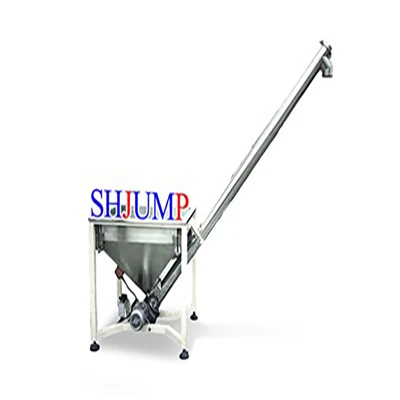
First off, let’s start with the most important step no one talks about enough: pre-processing that saves you headaches later. Berries are messy—they come with stems, leaves, unripe spots, squashed ones, even random little bugs if you’re picking wild berries, right? A lot of lines skip the first sort and send everything straight into a washer, but that’s a recipe for wasted fruit and extra work later. Here’s what we do first: a visual sort conveyor. It’s not a fancy camera rig (though we can add those for larger operations) — just a sloped, vibrating conveyor where line workers stand on either side and pluck out the junk. The vibration shakes loose any tiny stems stuck under a blueberry’s cap, and the slope makes bad berries roll right off the end. For soft berries like raspberries or blackberries, we use a gentle roller sorter after that—rollers with soft brushes that separate clumps without mashing them, which is key because mushy berries break down too fast and add weird off-flavors. I once had a customer who tried skipping this sort step, and they ended up with 120 pounds of squashed, moldy berries mixed in with their good ones in the first run—total waste of time and fruit.
Next up: washing, but not the regular tap water kind. Berries have a waxy coating on their skin (called cuticular wax) that keeps them fresh on the vine, but that wax holds onto dirt, pesticides, and even tiny bacteria. If you just blast them with plain water, you’re not getting that clean, and the wax can make your sauce have a weird cloudy layer. Our lines use a two-stage wash system: first, a mild food-grade citric acid solution (super gentle, no harsh chemicals) in a warm water bath—warm, not hot, because hot water will make berries start to break down early. The citric acid eats through that wax and loosens all the gunk. Then, a cold water rinse to get rid of the acid, followed by a gentle spin dryer. Wait, a spin dryer? For berries? Yeah, we use a low-temp, low-speed spin—no centrifugal force that’ll crush them—because if you send berries into the next step all dripping wet, you’re adding extra water to your sauce, which makes it thin. No one wants watery berry sauce, right? I’ve had customers who tried using just spray washers, and their sauce ended up 15% thinner than target because of all the leftover water—costing them money in product and storage.
Now the part that makes or breaks the sauce: destemming and pulping. Wait, not all berries need destemming, but blueberries, strawberries, elderberries—definitely. If you leave strawberry stems in, they’ll turn your sauce bitter. We use a destemmer that’s basically a rotating disc with little rubber spikes that grab the stem and yank it right off, without piercing the fruit. Way gentler than doing it by hand, and way more consistent. Then comes pulping—this is where we separate the seeds and skins from the actual fruit flesh. A lot of lines use a single pulper, but we use a two-stage pulping system. First, a coarse pulper that breaks the fruit into big chunks, then a fine pulper with a screen size tailored to your berry: for blueberries, we use a smaller screen (maybe 0.5mm) to catch all those tiny seeds, for raspberries, a slightly larger screen (0.8mm) because raspberries have softer seeds that don’t need to be caught. The trick here is pressure—too much pressure in the pulper will squirt out seed oil, which makes the sauce bitter, so we regulate that to just enough to squeeze out the flesh without breaking the seeds completely. I’ve seen a competitor’s line that used too much pressure for raspberry pulp, and their sauce had that earthy, bitter aftertaste that no one liked. We fixed that for a customer once by swapping their single pulper for our two-stage low-pressure one, and their sales went up 22% that year because people noticed the difference in flavor.
Wait, quick side note: what if you want a seedless sauce? We can add an extra screen stage that catches even more seeds for products like seedless blackberry sauce, and if you want a chunkier sauce, we skip that fine screen entirely. The line’s customizable—important, because not all berry sauces are the same.
Now, after pulping, we have the fruit base. But raw pulp has bacteria, right? And we need to adjust the pH to make sure the sauce is safe to store, plus add a little sugar (if the recipe calls for it) to balance the tartness. This is where blanching comes in, but again, not the old-school boiling blanch that kills flavor. We use a steam blancher—super quick, like 30 seconds at 190°F, way less than boiling. The steam heats the pulp evenly without burning the edges (which boiling can do if berries are at the bottom of the pot) and kills the surface bacteria instantly. Plus, it softens the pulp just enough so it’s easy to cook down into sauce, not mushy. After blanching, we go into a holding tank where we mix in sugar (or no sugar, if you’re making all-natural sauce), citric acid to adjust pH to around 3.2-3.5 (that’s the sweet spot for berry safety and flavor), and any natural flavorings, like a little lemon juice if you’re using milder berries. No artificial stuff, obviously, if that’s what your customers want.
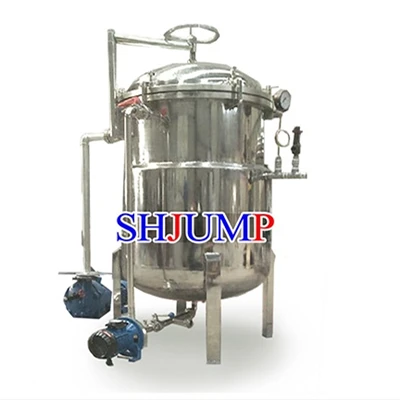
Now, the cooking step—this is where a lot of lines mess up big time. They crank up the heat to boil the pulp down in 10 minutes, which kills all the bright berry flavor and turns the sauce a dull brown color. We use a vacuum evaporation system, not regular boiling. Here’s how that works: we pull a partial vacuum in the cooking tank, so the water in the pulp boils at a lower temperature—like 140°F instead of 212°F. That’s the magic number because it’s low enough to keep all the fresh berry compounds (the ones that make blueberry taste like blueberry, strawberry taste like strawberry) intact, but high enough to thicken the sauce to the right consistency. We monitor the density with a refractometer—an easy tool that measures how much sugar (or solids) are in the sauce, so we stop cooking exactly when it’s at 65 Brix, which is the standard for shelf-stable fruit sauce. No overcooking, no undercooking. I had a customer who used a traditional open kettle and their blueberry sauce tasted like cooked berries, not fresh. Switched to our vacuum cooker, and they told me their customers said it tasted like they just picked the berries that morning. That’s the kind of win we’re here for.
Wait, what about adding preservatives? A lot of natural sauce makers don’t want any, so our lines are designed to make sauce shelf-stable without extra preservatives if you do the pH and cooking right, but if you need to add a little citric acid or ascorbic acid (vitamin C) to extend shelf life without changing flavor, the system is set up to dose that in automatically, no mess, no inconsistency.
The last two steps are easy, but important: cooling and packaging. After cooking, the sauce is hot—you can’t can it or put it in bottles hot in a way that’s safe, and you don’t want it sitting warm for too long. We use a quick, countercurrent cooling system: it passes the hot sauce through a tube surrounded by cold water, dropping the temp from 190°F to 80°F in less than a minute. That stops any residual bacteria from growing and locks in the flavor. Then, packaging: our lines use aseptic fillers for bulk containers or small bottles, depending on your product. The filler is calibrated to make sure each bottle has exactly the right amount, no overfills or underfills, which saves you money on product waste. And all parts of the line that touch the food are stainless steel, easy to take apart and clean—super important for food safety, because berry pulp is sticky and can get moldy if not cleaned right. I always say, a processing line is only as good as its cleanability, because if you have leftover pulp caked on, the next batch will taste like last week’s raspberry sauce.
Now, let’s talk about why this matters, especially if you’re a small to mid-sized sauce maker looking to scale. A lot of people think a processing line is just big machines, but it’s designed to keep that fresh berry flavor, cut down on waste, and keep costs low. For example, with our line, we have a waste stream that’s less than 5% of the berries you start with—most lines have 15-20% waste from sorting, mashing, and overprocessing. That means more product to sell, less money thrown away on bad fruit. And the consistency? Every batch is the same flavor, same thickness, same color—no one batch being too tart or too seedy, which keeps your customers coming back.
Wait, I know some of you might be thinking, “What if I only make one type of berry, or mix different berries?” Our lines are flexible, not one-size-fits-all. You can switch from strawberries to blackberries in less than 20 minutes, just by changing the screen size on the pulper and adjusting the blanch time a little. No need for a whole new line every time you change your product. That’s the kind of adaptability small businesses need, right? You don’t want to sink $100k into a line that only does blueberry sauce.
At the end of the day, processing berry sauce is all about respecting the fruit. These little guys are fragile—they grow on vines, get sun-warmed, picked at the peak of ripeness—so we don’t want to mess that up in processing. We design our lines to work with the berries, not against them, so your sauce tastes like the fruit you put in it, not a processed afterthought.
If you’re looking to upgrade your current line or set up a new berry sauce process, we’re here to help. We don’t just sell machines—we work with you to tailor the line to your specific berries, your production volume, and your recipe needs, so you get a system that works for your business, not against it. Whether you’re doing 500 pounds a day or 50,000 pounds, we’ve got you covered. Reach out to chat, we’re happy to walk through how we can tweak the process to make your berry sauce the best it can be.
Food Filling Machine References
- Food and Agriculture Organization of the United Nations. (2021). Small-Scale Fruit Processing Guide. Rome: FAO.
- Toledo, R. T., & Burke, A. (2018). Food Process Engineering Principles and Applications. Springer.
- Institute of Food Technologists. (2020). Guide to Fruit and Vegetable Processing Safety and Quality. IFT Press.
- Shewfelt, R. L., & Bruchner, B. (2019). Food Properties of Fruits and Vegetables. CRC Press.
Shanghai Jump Machinery & Technology Co., Ltd.
Shanghai Jump Machinery & Technology Co., Ltd. is one of the most professional fruit sauce processing line manufacturers and suppliers in China, featured by good service and competitive price. Please rest assured to buy high quality fruit sauce processing line for sale here from our factory.
Address: No. 58, Pengqing Road, Kunshan Town, Suzhou District, Jiangsu Province, China
E-mail: info@sinojump.com
WebSite: https://www.shjumpmachine.com/
