If you’ve ever worked with lyophilized (freeze-dried) proteins, you know they’re one of the most reliable tools for lab experiments—until storage mistakes creep in and turn that stable powder into a ruined sample. As a lyophilized protein supplier, I’ve seen my fair share of mishaps from customers who assume “freeze-dried means freeze it and forget it” only to find their proteins degraded after a few months in a -20°C freezer. The truth is, even properly lyophilized proteins need specific handling to stay intact, and skipping those steps can cost you time, money, and frustrating setbacks for your research. Lyophilized Protein

Let’s start with what makes lyophilized proteins so stable in the first place: during freeze-drying, we remove nearly 99% of the water from the protein solution, which stops the chemical reactions (like hydrolysis or oxidation) that break down most proteins. But that stability isn’t permanent—environmental factors like moisture, temperature fluctuations, and light exposure can still undo all that work, even in a -20°C freezer. Over years of shipping proteins to labs across the globe, testing storage protocols, and troubleshooting sample failures, I’ve narrowed down the key rules for storing lyophilized proteins at -20°C. These aren’t just random tips—they’re protocols backed by protein biochemistry research, and following them will save you from that dreaded “my protein is useless” moment.
First, let’s talk about packaging. When you get a lyophilized protein from a supplier like ours, it’s probably in a small vial with a rubber stopper crimped at the top, right? That’s not just for show—it’s designed to create an airtight, moisture-proof seal. But here’s the mistake I see all the time: customers take that vial out, stick it straight into a -20°C drawer, and go. Wait—what’s inside your freezer? If your -20°C freezer is shared, or if you store other items (like wet lab reagents, ice, or even bags of frozen samples) near your protein vials, that’s a problem. Freezers have a lot of temperature and humidity fluctuations, especially when you open and close the door every hour. When you pull out a vial, the warm air hits the cold glass, and condensation forms—water droplets that can seep through even the tiniest gaps in the vial’s seal, rehydrating your protein. Once a protein is rehydrated, it’s way more vulnerable to degradation, even at -20°C.
So step one: don’t just leave your lyophilized protein vial in its original packaging. Wait, actually—keep the original packaging, but add an extra layer of protection. I always recommend transferring vials to a tightly sealed secondary container, like a plastic freezer box with a rubber lid, or a cryogenic storage bag that’s designed for -20°C use. Before you put the vial in, make sure the secondary container is completely dry—any moisture in there will slowly make its way into your protein over time. If you have desiccant packs left over from your lab’s supply orders, tuck one into the container (but make sure it doesn’t touch the vial directly, to avoid contamination) to absorb any stray moisture. For customers who order bulk lyophilized protein, we supply custom-sealed aluminum foil bags with the protein inside a foil-lined pouch—you can split that bulk into small, single-use aliquots (more on that later) and put each aliquot into a sealed microcentrifuge tube, then into a secondary freezer box. That way, you’re only opening the box once, not every time you need a small amount of protein, which reduces temperature fluctuations every time you access your sample.
Next, temperature consistency. A -20°C freezer isn’t just a cold box—it’s a controlled environment, but not all -20°C freezers are created equal. Some lab freezers fluctuate by ±5°C when the compressor kicks on, especially older models or ones that are overly full. Why does that matter for lyophilized protein? Even though water is removed, small amounts of residual moisture (usually less than 1%) are left in the powder to keep the protein’s structure intact. Every time the temperature spikes, that tiny bit of residual moisture can move within the powder, and when it gets cold again, it forms microcrystals. Those microcrystals poke holes in the protein’s delicate tertiary structure, breaking it down. Over weeks or months, that’s enough to make your protein inactive or prone to aggregation.
So how do you avoid temperature fluctuations? First, check your -20°C freezer’s temperature regularly—don’t just rely on the digital display, which can be off by a few degrees. Use a reliable calibrated freezer thermometer, and log the temperature daily. If you see fluctuations more than ±3°C, that’s a red flag. You can adjust by not overcrowding the freezer—leave space between boxes so air can circulate, which keeps the temperature more consistent. Avoid storing things like liquid nitrogen tanks or large frozen samples in the same -20°C unit, if possible, because their frequent temperature changes can affect nearby items. And last, don’t store lyophilized proteins in the door of the freezer—door shelves experience the most temperature swings every time you open the door. Stick to the back, middle shelves where the temperature is most stable.
A common question we get: can you put lyophilized protein in a -20°C freezer if you plan to use it in a few months? The answer is yes, but only if you do one more critical thing: aliquot the powder. I know it’s tempting to keep a big vial of lyophilized protein so you don’t have to reorder, but every time you open that vial, you expose the entire amount to air and potential moisture. Instead, when you first receive your protein, take a small amount (enough for one or two experiments, not more) and transfer it to a sterile, pre-chilled microcentrifuge tube. Seal that tube tightly. Label it clearly with the protein name, concentration, and date of aliquoting. Then put that aliquot in the freezer, and keep the original sealed vial in the secondary container I mentioned earlier, only taking out a new aliquot when the old one is gone. This way, you only expose a tiny portion of your protein to moisture and temperature changes, so the rest stays pristine. And if you ever need to send a protein for another experiment or testing, you can take a small aliquot without ruining the whole stock.
Wait, what about when you first receive the lyophilized protein? A lot of customers make the mistake of opening the shipping vial immediately. No—wait, lyophilized proteins are sensitive to moisture even at room temperature, so when you get the package, don’t open it until you have it in a -20°C workspace, like a freezer’s access port or a cold room that’s around 4°C. If you open the vial at room temperature, moisture from the air will condense on the cold powder instantly, rehydrating it before you even get it into storage. That’s a huge avoidable mistake. Once you open the shipping vial, double-check that the seal is intact—if it’s broken, contact your supplier right away (that’s one of the benefits of working with a reliable lyophilized protein provider, by the way—we’ll replace damaged samples at no cost). Then immediately transfer the powder to a chilled tube, seal it, and put it in the freezer.
Another factor that’s easy to overlook: light exposure. Lyophilized proteins, especially those that are conjugated with fluorescent tags or have light-sensitive amino acids (like tryptophan or tyrosine), can break down when exposed to UV light or even bright room light over time. Most of our lyophilized protein vials are packaged in opaque or amber glass, which blocks light, but when you transfer them to secondary containers, don’t use clear plastic boxes if you can avoid it. Use opaque or colored freezer boxes, and store them in a part of the freezer that’s not near the internal light (if your freezer has an internal light that turns on when you open the door). That small step will add months of shelf life to your protein.
Now, let’s talk about how long lyophilized protein actually lasts in a -20°C freezer when stored correctly. According to our in-house testing and published research, properly stored lyophilized protein can stay stable for 2–5 years, depending on the protein type. Enzymes, for example, might be stable for 3 years, while antibody proteins can last up to 5 years, as long as moisture and temperature are controlled. But even with perfect storage, you should always test your protein’s activity before a big experiment—don’t just assume it’s good because it’s lyophilized. A quick pilot experiment, like testing the binding affinity of an antibody or the enzyme activity of a protein kinase, will confirm it’s still functional, and it’s way better than ruining a month of work because your protein degraded.
Wait, what if you have to take a lyophilized protein out of the freezer to use it? How do you handle that? Don’t open the vial at room temperature right away. Let it warm to room temperature in a desiccated environment (like a sealed container with a desiccant pack) for 5–10 minutes. This prevents condensation from forming on the cold glass, which would get into the powder. Once it’s at room temperature, you can open it, aliquot what you need, and immediately seal the rest back up and put it in the freezer. If you’re reconstituting the protein for an experiment, use sterile, cold buffer (to avoid shocking the protein) and mix gently—don’t vortex vigorously, which can cause aggregation.
I’ve seen so many labs lose valuable research time because of poor lyophilized protein storage. Last year, we had a grad student contact us panicking because her antibody, which she’d stored in a -20°C freezer for 6 months, had stopped working in her Western blots. She’d left it in the original vial, stuck in a shared freezer, and never aliquoted it. When we checked the sample, we found residual moisture and temperature fluctuations had caused aggregation. We ended up sending her a fresh aliquot, but it set her project back two months. That’s why these steps matter—they’re simple, but they make a huge difference.
If you’re not sure if your storage protocol is right, or if you need help selecting the right containers or desiccants for your lyophilized proteins, don’t hesitate to reach out. Our team has decades of experience in protein stability and storage, and we’re always happy to help labs avoid common pitfalls that waste time and resources. Whether you’re ordering a small research sample or bulk lyophilized protein for high-throughput work, we make sure our products are packaged to withstand shipping and storage, but following these guidelines will ensure they perform exactly as expected in your experiments.
When it comes to storing lyophilized protein at -20°C, the core principle is this: minimize exposure to moisture, temperature swings, and light. That’s it. No fancy equipment, no complicated steps—just being intentional about how you handle, package, and access your samples. As a lyophilized protein supplier, our job isn’t just to ship you a high-quality powder—it’s to make sure that powder works for you, for as long as you need it.
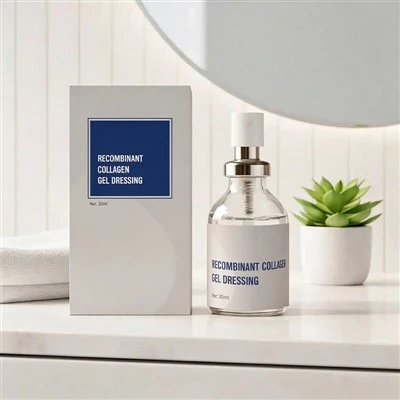
If you have questions about your current protein storage practices, need guidance on aliquoting protocols, or are ready to place an order for lyophilized protein for your upcoming experiments, we’re here to help. Connect with our team to discuss your specific needs and find the right solution for your research.
Recombinant Collagen References
- Manning, M. C., Chou, D. K., Thomas, C. L., & Gray, D. S. (2010). Stability of protein pharmaceuticals: An update. Pharmaceutical Research, 27(5), 859–878.
- Tang, X., Pikal, M. J., & Nail, S. L. (2004). The effect of storage temperature on the stability of lyophilized proteins. Journal of Pharmaceutical Sciences, 93(10), 2412–2425.
- Wang, W. (2000). Lyophilization and development of solid protein pharmaceuticals. International Journal of Pharmaceutics, 203(1–2), 1–60.
- Carpenter, J. F., Chang, B., & Garzon-Rodriguez, W. (1997). Rational design of stable lyophilized protein formulations: Some practical advice. Pharmaceutical Research, 14(8), 969–975.
- Hora, M. S., Rotton, K. W., & Nail, S. L. (1992). Effect of temperature and humidity on the stability of lyophilized proteins. Journal of Parenteral Science and Technology, 46(5), 198–205.
Zhejiang Miracle Biotech Co., Ltd.
As one of the most professional lyophilized protein manufacturers and suppliers in China, we also support customized service. Please feel free to buy high quality lyophilized protein made in China here from our factory. Welcome to contact us for free sample.
Address: Rooms 304-306, Block A, Building 3, No. 468 Xingfu North Road, Xiasha Subdistrict, Qiantang District, Hangzhou, Zhejiang Province, China.
E-mail: shawn@merkoliregen.com
WebSite: https://www.merkoliregen.com/
