Hey there! If you’ve ever ordered lithium batteries from us, you probably already know how game-changing they are—powering your portable tools, e-bikes, solar setups, even your daily vape or portable chargers. But here’s the thing: I see a lot of customers mess up storing them, and that’s how you end up with dead cells, safety scares, or wasted cash. I’m Jake, one of the sales reps here at our lithium battery company, and I’ve answered so many “wait, how do I actually keep these things safe?” questions I figured I’d spill the tea right here. No stuffy jargon, just real stuff I tell my own buddies who tinker with gear too. Lithium Battery

First off, let’s cut through the confusion. Not all lithium batteries are the same—your phone battery vs. a 18650 for a mod vs. a big lithium-ion pack for a solar generator all have different needs. But there are golden rules that apply to nearly every one you’ll get from us. Let’s start with the big one people get wrong all the time: storage temperature. I see so many folks leave their spare battery packs in their car trunk in summer, or stashed in a cold garage all winter. That’s a hard no. Too hot (over 100°F / 38°C) and the internal gunk in the battery breaks down—you’ll lose capacity fast, and it can even swell or leak. Too cold (below 32°F / 0°C) and it’s just sitting dormant, which isn’t great either. The sweet spot? Between 50°F and 70°F (10°C to 21°C) if you can swing it. That’s basically room temp, which most closets, cabinets, or desk drawers hit without even trying.
Wait, what about charging level when you store them? Another common mistake: some people top ‘em off 100% before sticking ‘em away for months, or drain ‘em all the way down. Bad call. Lithium batteries hate being at 0% or 100% long-term. The magic number? 40-60% charge. Think of it like leaving your phone at half battery before a long trip—way gentler on the cells. Here’s a pro tip from our lab team: if you’re storing a battery pack for more than 3 months, pop it out every 2 weeks and top it up to that 40-60% mark again. Yeah, it’s a little extra work, but way better than having a dead pack when you need it for a camping trip or a work project.
Next up: where you store ‘em. Don’t just toss ‘em in a junk drawer with your keys, screwdrivers, or other metal stuff. Metal can short the battery terminals—sudden spark, maybe a fire. I’ve heard horror stories of that happening; not fun. So always put ‘em in the original packaging we send, or a hard plastic battery case (we sell ‘em too, just say the word) that covers the terminals. If you don’t have that, a small cloth pouch works in a pinch—just make sure no hard metal stuff is rubbing on the ends. And for big lithium packs (like the ones for e-bikes or solar generators)? Don’t lean ‘em against walls or other heavy objects that could crush the casing. Set ‘em on a flat, dry surface, away from any flammable stuff—like gasoline, propane tanks, or even a pile of old papers. Common sense, but worth repeating.
What about short-term vs. long-term storage? If you’re using a battery in the next 2 weeks, you don’t need to overthink it—just keep it in a cool, dry spot, terminals covered. But if you’re putting it away for 6+ months (say, a spare e-bike battery for winter when you don’t ride), that’s when you double down. I once had a customer tell me he stored his e-bike battery on his concrete basement floor for a year at full charge—when he pulled it out, it only held 30% of its original capacity. Ouch. That’s exactly why we emphasize that 40-60% charge and temp control. Also, for long-term storage, make sure the area isn’t humid. Excess moisture can corrode the terminals over time, so avoid basements or bathrooms if you can. A sealed plastic bin with a silica gel packet (those little packets you get with new shoes) works great to soak up extra moisture—no fancy gear needed.
Wait, what about damaged batteries? If a battery gets a dent, a tear in the casing, or starts smelling weird (like vinegar or rotten eggs), don’t store it anywhere. We’ve got a whole process for handling defective cells, but if you’re storing your own and one looks off, keep it away from other batteries and call us right away. Never throw a damaged battery in the trash either—lithium cells can ignite if crushed or punctured, so check your local battery recycling program, or we can send you a pre-paid label to send it back to us. That’s way safer than tossing it in the bin and risking a fire at the landfill.
Now, let’s clear up some myths I hear all the time. Myth #1: Lithium batteries can’t be stored outside. Not true, but only if it’s not extreme weather. If you’re storing a spare battery in your gear bag for a hiking trip, just keep it out of direct sun and away from snow. Myth #2: You should fully drain them before storage. Nope—draining to 0% stresses the cells out way more than storing at 40%. Myth #3: All storage cases are the same. Cheap fabric pouches are fine for short trips, but hard plastic or rubber cases are way better for long-term storage to prevent terminals from shorting.
Here’s a quick checklist I make for all our customers to reference:
- Charge battery to 40-60% before storage.
- Keep temp between 50-70°F, away from direct heat (radiators, car dash) or cold (freezer, unheated garage).
- Cover terminals—use original packaging, a hard case, or cloth.
- Store on a flat, dry surface, away from flammables.
- For long-term (3+ months): check charge every 2 weeks, top up to 40-60% as needed.
- Damaged batteries: isolate, don’t store, contact us.
I get it, this seems like a lot if you’re juggling multiple batteries for work or hobbies. But the good news? If you get your lithium batteries from us, we include a little sticker on each pack that reminds you of the 40-60% rule, and we always send a free silica gel packet with bulk orders. Our support team is always here if you have a specific question about your battery—whether it’s a small 18650 or a 100Ah solar pack, we’ve got the details.
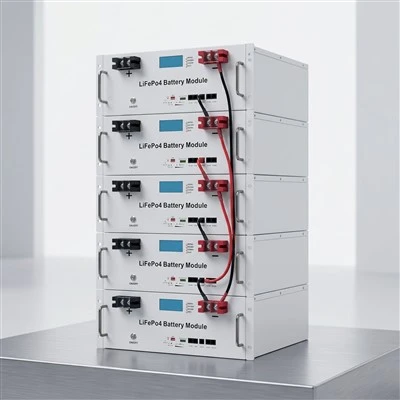
If you’re restocking your lithium batteries for a project, or need spares for your gear, we’ve got you covered too. We carry everything from consumer packs for phones and tools to heavy-duty industrial cells. Just hit us up to chat about your needs—we’ll hook you up with the right battery and storage tips tailored to it. No pushy sales stuff, just honest advice because we’re lithium battery folks too, and we want your gear to last as long as possible.
Inverter References:
- Lithium-Ion Battery Storage Guidelines, International Electrotechnical Commission (IEC) 62660-1
- “Best Practices for Storing Rechargeable Lithium Batteries,” Battery University, 2024
- Safety Guidelines for Consumer Lithium Battery Products, U.S. Consumer Product Safety Commission (CPSC), 2023
Hebei Mutian Solar Energy Technology Development Co., Ltd.
Hebei Mutian Solar Energy Technology Development Co., Ltd. is one of the most professional lithium battery manufacturers and suppliers in China, featured by quality products and good service. Please rest assured to buy lithium battery in stock from our factory. Contact us for customized service.
Address: Room 3120, Block A, Zhili Building, 77 Fuxing West Road, Baoding City, Hebei Province, China
E-mail: mona@solarmt.com
WebSite: https://www.solar-systemkit.com/
