Hey there, ever stared at a stack of meat crates at your processing plant, warehouse, or even a local butcher shop and wondered – how long do these things actually last? I’ve been in the meat crate supplier game for over a decade, and let me tell you, this question pops up way more than you’d think. New customers ask it all the time, and even some vets who’ve been hauling meat for years don’t have a solid answer. Spoiler: it’s not just a number – it depends on so many little things that make or break how long your crates stick around. Meat Crate
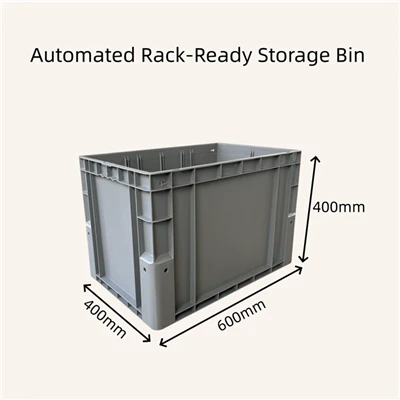
First off, let’s get one thing straight: I’m not talking about those flimsy cardboard boxes that get crushed after one delivery. We build meat crates from heavy-duty HDPE (high-density polyethylene) for a reason – they’re made for repeated use, constant moisture, and the rough and tumble of food supply chains. But lifespan isn’t one-size-fits-all. I’ve seen crates that are still going strong after 10+ years, and I’ve had customers send back ones that only lasted 2 years because they ran ‘em like trash. So let’s break down the real factors that determine how long your meat crates actually live.
The Big Four Factors That Kill (Or Prolong) Crate Life
Let’s start with how you use the crates, because that’s the biggest variable. If you handle ’em right, they’ll work for you for ages; if you cut corners on care, you’ll be buying new ones every few years.
First up: load and stack habits. HDPE crates are rated for specific weight loads – usually 500-800 lbs depending on the model. If you’re cramming 1,000 lbs of beef into a crate rated for 600, you’re asking for cracks, warps, and broken corners. And stacking? Don’t stack heavy loads on top of empty or half-full crates. I’ve had a customer call me panicking once because a stack of frozen turkeys crashed through three crates during a morning shift. That wasn’t a crate defect – that was bad stacking. Even small things, like dragging crates across concrete instead of lifting them, cause micro-scratches that turn into cracks over time. Those scratches also trap bacteria and make cleaning way harder, which is a double whammy for food safety and crate lifespan.
Next: cleaning and sanitizing. Meat is messy, and cleaning is non-negotiable for food-grade crates. How you clean ’em directly impacts how long they last. We always recommend a pressure wash (1,500-2,000 PSI, no higher – too much pressure can damage the plastic) with a food-safe sanitizer. If you skip deep cleaning, leftover fat, blood, and debris will eat away at the plastic over time, especially if you’re running crates through high-heat sanitizing cycles (some plants use 180°F+ water for deep cleans). Wait – high heat isn’t all bad, but constant extreme temperatures can make the plastic brittle after years. I’ve seen crates that went through 20 heat cycles a day start to crack at 5 years, while ones that only get a mild wash and air dry at 7 years look brand new. Also, never use harsh chemicals like bleach or abrasive scrubbers – bleach breaks down HDPE over time, and scrubbers scratch the surface, as we mentioned earlier.
Third: environment and storage. Where are you keeping the crates when they’re not in use? If you’re leaving them out in the sun 24/7, that’s a problem. UV rays from sunlight cause HDPE to degrade – it fades, gets brittle, and cracks way faster. I had a small butcher shop customer who kept their crates out back by the loading dock, and after 3 years, half their crates were too brittle to use. Once they moved ’em to a covered storage shed, their crates hit 8 years without issues. Also, if you’re storing crates in cold climates – like places where temps drop below 0°F during winter – that brittleness gets even worse. Freezing temps make HDPE less flexible, so a small bump can turn into a big crack. On the flip side, if you’re running crates in a cool, dry warehouse with covered storage when not in use, they’ll last way longer.
Fourth: how well you maintain and repair crates. A lot of people think if a crate has a tiny crack, it’s done. Nope – we offer crate repair kits for a reason. Small cracks can be patched with HDPE welders or even heavy-duty food-safe adhesives, as long as the crack isn’t more than an inch long. I tell customers to do quick checks every month: look for broken corners, warped sides, loose hinges (wait, some crates have lids or hinged sides!), and cracks. If you catch a tiny crack at 6 months, fix it, and that crate can last another 5 years. If you ignore it, it’ll get bigger, and eventually, the whole crate is useless. Also, don’t force lids or sides if they’re stuck – that’ll break the hinges or warp the sides, so take an extra 30 seconds to adjust whatever’s inside before closing.
What’s the Average Lifespan, Really?
Now that we’ve covered the factors, let’s get to the number everyone’s asking. For most of our customers – plants that run crates 5 days a week, store ’em in covered areas, clean ’em right, and do quick repairs – the average is 5-7 years. But I’ve got customers in the grocery chain space who rotate crates every few years because they need new branding or sizes, and those are lasting 8-10 years. On the other end, if you’re a small operation that only uses crates once or twice a week, takes amazing care of ’em, and stores ’em indoors, I’ve seen crates still in perfect shape at 12 years old. And yes, I’ve had crates that only lasted 2 years – that was a customer who overloaded ’em every single day and stacked 10 crates high on a regular basis. It’s all about how you treat ’em.
Wait, let’s also talk about the difference between new and refurbished crates. Some customers buy cheaper refurbished crates thinking they’ll save money, and while that works for some, you have to check their history. Refurbished crates from reputable suppliers should last about 3-5 years, since they’ve already had some wear and tear. If you buy sketchy used crates from a random seller, you’re rolling the dice – they might have hidden cracks or brittleness from sun damage, so lifespan could be way shorter. We don’t do cheap, unvetted used crates, by the way – we refurbish our own with new parts, recondition the plastic, and test every one, so our refurbished crates are solid, but still not as long-lasting as new.
Why Crate Lifespan Matters For Your Bottom Line
You might be thinking “who cares how long crates last, as long as they do the job?” But here’s the thing: crate lifespan directly hits your costs. If you’re replacing crates every 2 years, that’s way more money than if you replace them every 7. Let’s do a quick math example: if a new crate is $25 each, replacing 100 crates every 2 years costs $1,250 a year. Replacing the same 100 every 7 years is only ~$357 a year. That’s a huge difference! Also, crates that fail early can cause downtime – if a crate breaks mid-delivery, you have to repack the meat, which takes time and could lead to temperature abuse (that’s a food safety no-no). Plus, damaged crates can damage your meat – sharp edges from cracked plastic can tear packaging, leading to waste.
Another big one: sustainability. The meat industry generates enough waste as is, and sending crates to landfills every 2 years is just adding to that. Our crates are 100% recyclable, so when a crate does reach the end of its life, we take it back and recycle it into new crates or other plastic products. That’s a big selling point for a lot of our customers who are trying to lower their carbon footprint – longer-lasting crates mean less waste over time.
Tips To Make Your Crates Last As Long As Possible
I’ve been in this game long enough to know the small habits that add years to a crate’s life. Let me share my go-to tips, no fancy tricks:
- Don’t overload ’em – check the weight rating on each crate, and don’t guess. If you’re hauling heavier loads, get the heavy-duty model, don’t cram more into the regular one.
- Lift crates, don’t drag ’em. Dragging across concrete causes micro-scratches and scrapes that turn into cracks fast. Use pallet jacks or hand trucks for moving stacks, and always lift by the handles.
- Clean right – pressure wash at 1,500 PSI max, use food-safe sanitizer, and skip harsh chemicals. Let ’em air dry instead of stacking wet crates (trapped moisture leads to mold and plastic breakdown).
- Store smart – keep crates covered when not in use, out of direct sunlight, and don’t stack too high (max 5-6 crates high, even empty).
- Do monthly checks – look for cracks, broken corners, loose hinges, and warped sides. Fix tiny cracks right away with a repair kit, don’t let ’em turn into big problems.
Wrapping Up – Need Crates That Last?

At the end of the day, the lifespan of a meat crate isn’t a fixed number – it’s what you make of it. Treat your crates right, and they’ll stick around for years, saving you money, keeping your meat safe, and cutting down on waste. If you’re tired of replacing crates every couple years, or you’re just looking for durable, food-grade HDPE crates built for the meat industry, we can help. We’ve got different sizes and weight ratings for every operation, from small butcher shops to large processing plants, and we offer repair services and tips to keep your existing crates going strong. Ready to chat through your needs and get a quote? Reach out to us anytime, and we’ll walk you through all your options.
Plastic Shopping Trolley References:
- HDPE Plastic Durability in Industrial Applications, American Plastics Council, 2021
- Food-Grade Sanitizing Effects on Polymer Shelf Life, Journal of Food Protection, 2019
- Supply Chain Asset Lifecycle Management for Food Distribution, Food Logistics Magazine, 2022
- UV Degradation of Polyethylene in Outdoor Storage, Polymer Engineering & Science, 2020
Ningbo Simple Trading Co., Ltd.
Ningbo Simple Trading Co., Ltd. is one of the most professional fresh meat crate manufacturers and suppliers in China. With a professional production team, we are able to meet the needs of the majority of our customers. Please feel free to wholesale custom made fresh meat crate from our factory.
Address: Room 908, Star International Office Building, No.1359, Tiantong South Road, Yinzhou District, Ningbo City, Zhejiang Province.
E-mail: Simpleexport@nbsimpletrading.com
WebSite: https://www.logisticsequipments.com/
