If you’re in the market for a cutting machine, you’ve probably seen the term “cutting depth” tossed around in product specs, user reviews, and sales conversations. At our cutting machine supply company, we get this question every single day—from small business owners cutting leather for custom bags to industrial operators slicing through 2-inch aluminum plates for construction projects. It’s not just a random number on a spec sheet; cutting depth is the core performance metric that determines if a machine will work for your specific job. Let’s break down what it actually is, how it works, and why it matters for your next purchase. Cutting Machine

First, let’s get the basic definition straight. Cutting depth refers to the maximum thickness of a material a cutting machine can slice through cleanly and completely in a single pass. It’s not a one-size-fits-all number—its value changes based on the type of machine, the tool it uses, and the material being cut. For example, a desktop vinyl cutter might have a 1mm cutting depth, while a heavy-duty industrial plasma cutter can handle up to 50mm of steel. That gap is huge, and it’s why a $200 hobbyist cutter will never replace the machine a fabrication shop needs for structural work.
But here’s where things get tricky (and where a lot of buyers get confused): cutting depth isn’t just about the machine’s power. There are four key factors that actually determine what cutting depth you can achieve, and ignoring any of them leads to frustration. Let’s go through each one, starting with the tool itself. The cutting tool—whether it’s a blade, laser, plasma torch, or waterjet—has its own maximum depth limit. A sharp, high-quality blade will penetrate thicker material than a dull, cheap one, and a CO2 laser can cut through 10mm acrylic faster than a diode laser half its price. We always tell customers: don’t fixate on a machine’s listed max depth without checking what tool it comes with. A machine marketed for 30mm steel might only hit that mark if you pair it with a high-amp plasma torch, not the basic 200-amp unit it ships with.
Next factor: machine type and power source. Each cutting technology has inherent limits. Mechanical cutters (like guillotines or band saws) rely on physical force to push a blade through material, so their cutting depth is tied to motor strength and blade rigidity. Laser cutters depend on laser power—watts, specifically. A 150-watt CO2 laser will cut deeper than a 40-watt one, but only for non-metals; metals require fiber lasers, which use different power calculations. Waterjet cutters, meanwhile, use high-pressure water mixed with abrasives, so their depth depends on pressure and abrasive flow, not just power. We recently had a customer who bought a 1000-watt fiber laser expecting to cut 25mm stainless steel, but he didn’t realize fiber lasers have a smaller effective depth for reflective metals—he had to upgrade to a 2000-watt unit after a few botched cuts. That’s the kind of misstep we help clients avoid.
Third, material properties are make-or-break. You can’t cut a 2-inch thick piece of solid oak with the same depth you’d use for 2-inch thick aluminum. Soft, ductile materials (like foam or rubber) let tools penetrate much easier than hard, dense ones (like titanium or granite). Even within the same material, thickness, alloy, or finish changes things. A 10mm sheet of mild steel will cut deeper than 10mm of hardened steel, because hardened steel is more resistant to tool wear and deflection. We test every machine we sell across 10+ common materials (wood, acrylic, steel, aluminum, leather) so we can tell customers exactly what depth they’ll get for their specific project, not just a generic maximum.
Finally, there’s the often-overlooked factor of cut quality. A machine might list a 40mm cutting depth, but if the cut at that depth is jagged, leaves burrs, or doesn’t go all the way through, it’s not a usable cut. Cutting depth manufacturers advertise almost always refers to the maximum clean, full cut, but it’s important to ask: is that for a straight cut, or a contour cut? Some machines lose depth when making curved cuts, because the tool has to pivot, reducing effective pressure. For example, a CNC router might have a 50mm straight cutting depth, but only 35mm for intricate carvings. We include both straight and contour depth specs in our product sheets for that exact reason—transparency builds trust, which is why so many of our clients come back for repeat purchases.
Now, let’s talk about why cutting depth matters for your business. If you’re a small business making custom signs, a 5mm cutting depth is perfect for vinyl, acrylic, and thin wood. If you’re a cabinet maker, you need a CNC router with at least 20mm depth to cut through plywood panels for doors and shelves. If you’re in metal fabrication, a 30mm plasma cutter lets you handle most structural steel parts, while a 50mm unit is necessary for heavy equipment components. Buying a machine with too little depth means you’ll have to make multiple passes, which slows down production, increases the risk of mistakes, and raises labor costs. Buy a machine with too much depth, and you’re paying for power you’ll never use—wasting money on a machine that’s overkill for your needs. That’s where our team comes in: we don’t just sell machines, we help you calculate the exact cutting depth you need based on your daily workload, material types, and project sizes.
I want to share a recent example that sums this up. A local furniture maker came to us last month, looking for a CNC router. He’d been using a 10-year-old machine with 12mm cutting depth, and he was struggling to cut through 18mm hardwood veneer plywood for his new line of dining tables. His original plan was to upgrade to a 30mm depth machine, but after we asked about his typical workload (he makes 5 tables a week, all with 18mm parts), we pointed out that a 22mm depth machine would be more than enough, and would save him $1,500 compared to the 30mm model. We also showed him a demo of the 22mm router cutting 18mm plywood cleanly, with no burn marks, so he saw it in action before committing. He signed on the spot, and two weeks later, he texted us saying the new machine had cut his production time per table by 20%. That’s the kind of value we strive to deliver—not just a machine, but a solution that fits your business.
Another common question we get: can you adjust cutting depth mid-job? The short answer is yes, but with limits. Most modern cutting machines (CNC routers, laser cutters, plasma cutters) let you adjust depth programmatically, so you can make shallow cuts for scoring or deep cuts for full material penetration. For example, a leatherworker might make a shallow score cut for a decorative pattern, then a deeper cut to separate the piece from the bulk leather. But again, there’s a practical limit: you can’t adjust a mechanical cutter’s depth beyond its tool’s max, and laser cutters can only adjust depth so much before they lose precision. We train all our customers on how to adjust depth safely, and we provide free software tutorials for our CNC and laser machines, so they can customize cuts for every project.
If you’re still unsure about what cutting depth you need, here’s a quick checklist to run through before you reach out:
- What’s the thickest material you regularly cut, and what type is it? (e.g., 25mm mild steel, 15mm oak)
- Do you mostly make straight cuts, or intricate contour cuts?
- What’s your weekly production volume? (Higher volume means you may want extra depth to avoid multiple passes)
- Are there any future projects you’re planning that require thicker material? (Don’t just buy for today—leave room to grow)
That last point is important. It’s better to buy a machine with a little extra cutting depth than you need right now than to outgrow it in a year. For most small to medium businesses, we recommend adding 20% to your current max material thickness to account for future projects. For example, if you currently cut 18mm material, a 22mm depth machine will work for you today and for upcoming jobs that hit 20mm.
At the end of the day, cutting depth is more than a spec number—it’s the foundation of your machine’s performance. Too shallow, and you’re constantly fighting to get through materials. Too deep, and you’re throwing money away on unused power. As a cutting machine supplier, our job is to cut through the jargon (pun intended) and help you find the machine with the exact cutting depth that fits your needs, no more, no less.
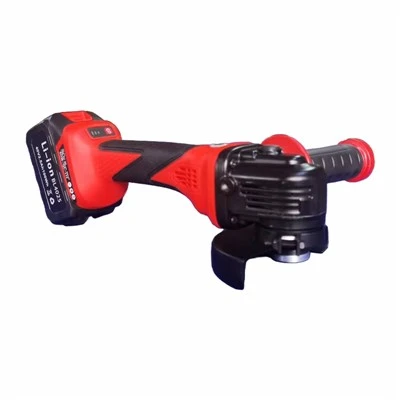
If you’re shopping for a new cutting machine and want to get clear on your cutting depth requirements, we’re here to help. Our team has 15 years of experience working with everything from hobbyist vinyl cutters to industrial plasma systems, so we can walk you through the pros and cons of each model, answer any questions you have about depth limits, and even arrange a demo if you’re local. Don’t make the mistake of buying a machine that doesn’t match your needs—reach out to our team today to start a conversation about your cutting machine needs.
Cutting Machine References
- “Cutting Machine Performance Metrics: A Guide for Industrial Buyers.” Industrial Machinery Association, 2023.
- “Material Properties and Cutting Tool Efficiency.” Journal of Manufacturing Processes, Vol. 45, 2021, pp. 112-120.
- “Laser Cutting Depth: Factors and Applications.” Laser Institute of America, 2022.
- “CNC Router Capacities for Wood and Metal Working.” Woodworking Industry Review, 2023, pp. 45-52.
Zhejiang Cheering Sewing Machine Co., Ltd.
With abundant experience, we are one of the most professional cutting machine manufacturers and suppliers in China. Please feel free to wholesale advanced cutting machine for sale here from our factory. We also accept customized orders.
Address: No.69 Heping Road, Lishui, Zhejiang, China
E-mail: gxjlq@126.com
WebSite: https://www.cheering-machinery.com/
