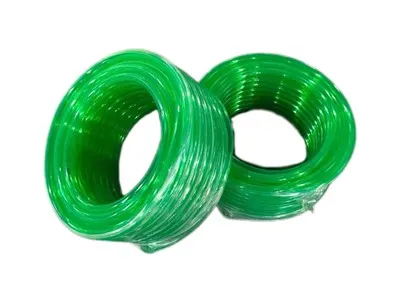
As a supplier in the industry of layflat hoses, I often get asked the question: How long can a layflat hose last? This isn’t a straightforward question, and the lifespan of a layflat hose can vary significantly depending on a multitude of factors. In this blog, I’ll delve into these influencing factors, guide you on how to extend the hose’s life, and share some useful insights for evaluating performance. Layflat Hose
Understanding the Key Factors Affecting Lifespan
Material Quality
The foundation of a long – lasting layflat hose is the quality of its materials. Layflat hoses are commonly made from PVC (Polyvinyl Chloride), polyurethane, and rubber. PVC hoses are cost – effective and resistant to many chemicals, but they can become brittle over time, especially in cold temperatures. Polyurethane hoses are known for their flexibility and abrasion resistance, which generally gives them a longer lifespan compared to PVC. Rubber hoses offer excellent durability, high – temperature resistance, and are often used in heavy – duty applications. Investing in hoses made from high – grade materials is the first step towards ensuring a longer lifespan.
For example, a high – quality PVC layflat hose with proper additives to enhance its cold and UV resistance can last up to 3 – 5 years under normal usage conditions. In contrast, a low – grade PVC hose might start showing signs of wear and tear within a year.
Usage Conditions
The environment in which the layflat hose operates plays a crucial role in determining its lifespan. If the hose is used in an area with extreme temperatures, it can cause the material to degrade faster. In hot climates, the hose may soften and become more prone to punctures, while in cold climates, it can become stiff and crack.
Exposure to sunlight also has a significant impact. Ultraviolet (UV) rays can break down the polymers in the hose material over time. Hoses that are constantly exposed to direct sunlight without proper protection may experience surface cracking and a reduction in strength within a few months.
Chemical exposure is another factor. If the hose is used to transport chemicals, solvents, or abrasive substances, it will face more stress and wear. Some chemicals can react with the hose material, causing corrosion or degradation. For instance, using a PVC hose to transport certain acids can lead to rapid deterioration.
Pressure and Flow Rate
The pressure and flow rate at which the hose operates are important considerations. If a hose is continuously subjected to pressures higher than its rated capacity, it can cause internal damage, such as delamination of the hose layers. Over time, this can lead to leaks or even bursts. Similarly, an extremely high flow rate can cause excessive wear on the inner lining of the hose, reducing its lifespan.
It’s crucial to select a hose with the appropriate pressure and flow ratings for your specific application. For example, if you’re using a layflat hose for irrigation in a large farm, a hose with a higher pressure rating is needed to ensure consistent water flow without risking damage.
Tips for Extending the Lifespan of Layflat Hoses
Proper Installation
Proper installation of the layflat hose is essential for its long – term performance. Ensure that the hose is correctly connected to the fittings and that there are no kinks or twists. Kinks can restrict the flow of fluid and cause excessive pressure build – up in certain areas of the hose, leading to premature failure.
Also, make sure that the hose is routed away from sharp edges, rough surfaces, and objects that could potentially puncture it. When installing the hose in an outdoor environment, it’s advisable to use supports or hangers to keep it off the ground and prevent abrasion.
Regular Inspection and Maintenance
Regular inspection is key to detecting any early signs of damage. Check the hose for cracks, holes, leaks, or signs of wear at least once a month, or more frequently if it’s used in a harsh environment. Look for any bulges or deformations, as these could indicate internal damage.
If you notice any minor damage, it can often be repaired. Small holes or cracks in a PVC layflat hose can be patched using a suitable PVC repair kit. However, if the damage is extensive, it’s best to replace the hose to avoid any potential safety hazards.
Proper maintenance also includes cleaning the hose after use. If the hose has been used to transport dirty or corrosive substances, flush it thoroughly with clean water to remove any residue. This helps prevent the build – up of debris that can damage the inner lining of the hose over time.
Storage
When the hose is not in use, proper storage is crucial. Store the hose in a cool, dry place away from direct sunlight and heat sources. Coil the hose neatly and avoid any sharp bends or kinks during storage. If possible, store the hose on a reel or in a hose rack to keep it organized and prevent damage.
Evaluating the Performance and Lifespan of Layflat Hoses
Manufacturer’s Recommendations
Always refer to the manufacturer’s specifications and recommendations regarding the hose’s rated pressure, flow rate, temperature range, and expected lifespan. Reputable manufacturers will provide detailed information about the performance and limitations of their products. This information can help you select the right hose for your application and ensure that it is used within its intended parameters.
Real – World Testing
In addition to the manufacturer’s data, real – world testing can provide valuable insights into the hose’s actual performance. You can conduct short – term tests in your own working environment to evaluate how the hose behaves under normal and extreme conditions. Monitor factors such as flexibility, durability, and resistance to abrasion and chemicals.
Conclusion: Making an Informed Decision
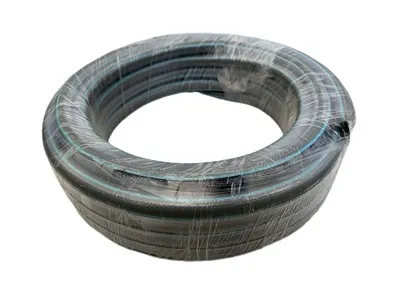
Determining how long a layflat hose can last is a complex issue that depends on multiple factors. By understanding these factors, following proper installation, maintenance, and storage procedures, and evaluating the hose’s performance, you can maximize its lifespan.
PVC Suction Pipe As a layflat hose supplier, I’m committed to providing high – quality products and sharing my expertise to ensure that you get the most out of your investment. If you’re in the market for layflat hoses, whether for agricultural, industrial, or any other applications, I’d be more than happy to assist you in selecting the right hose for your specific needs. Contact me to start a discussion about your requirements and let’s find the best solution together.
References
- "Handbook of Polymer Science and Engineering"
- Industry reports on hose manufacturing and performance
- Technical documentation from leading hose manufacturers
Weifang Xinzhiyuan Plastic Co., Ltd.
As one of the most experienced layflat hose manufacturers and suppliers in China, we offer a wide range of products with superior quality. Please feel free to wholesale premium layflat hose made in China here from our factory. We also accept customized orders.
Address: No. 700, Tongle Street, Economic Development Zone, Changle County, Weifang City, Shandong Province
E-mail: hua@xzypvchose.com
WebSite: https://www.pvchose-xzy.com/
