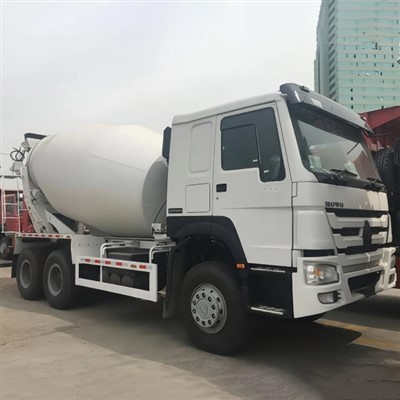
When it comes to construction projects, the efficiency and quality of a cement mixer play a pivotal role. As a seasoned cement mixer supplier, I’ve witnessed firsthand the challenges that contractors and construction companies face in achieving optimal mixing performance. In this blog post, I’ll share insights and practical tips on how to improve the mixing performance of a cement mixer, drawing from my experience in the industry. Cement Mixer
Understanding the Basics of Cement Mixing
Before delving into the strategies to enhance mixing performance, it’s essential to understand the fundamental principles of cement mixing. Cement mixing involves combining cement, aggregates (such as sand and gravel), water, and sometimes additives to create a homogeneous mixture with the desired properties. The quality of the mix depends on several factors, including the type and quantity of materials, the mixing time, the mixing speed, and the design of the mixer itself.
Selecting the Right Cement Mixer
The first step in improving mixing performance is to choose the right cement mixer for your specific needs. There are several types of cement mixers available on the market, each with its own advantages and limitations. Some of the most common types include:
- Drum Mixers: These are the most traditional type of cement mixers, consisting of a rotating drum that mixes the materials as it turns. Drum mixers are available in various sizes and capacities, making them suitable for a wide range of applications.
- Pan Mixers: Pan mixers feature a stationary pan with a rotating agitator that mixes the materials in a circular motion. They are known for their high mixing efficiency and are often used in large-scale construction projects.
- Twin-Shaft Mixers: Twin-shaft mixers have two parallel shafts with paddles that rotate in opposite directions, creating a powerful mixing action. They are capable of producing high-quality mixes in a short period of time and are commonly used in ready-mix concrete plants.
When selecting a cement mixer, consider factors such as the volume of material you need to mix, the frequency of use, the type of materials you’ll be working with, and your budget. It’s also important to choose a mixer from a reputable manufacturer that offers reliable customer support and after-sales service.
Proper Loading and Unloading
Once you’ve selected the right cement mixer, it’s important to load and unload the materials correctly to ensure optimal mixing performance. Here are some tips to keep in mind:
- Follow the Manufacturer’s Instructions: Always refer to the manufacturer’s instructions for the recommended loading capacity and procedure for your specific mixer. Overloading the mixer can lead to poor mixing performance, increased wear and tear on the equipment, and even safety hazards.
- Add Materials in the Right Order: To achieve a homogeneous mix, it’s important to add the materials in the right order. Typically, the aggregates are added first, followed by the cement, and then the water. If you’re using additives, they should be added according to the manufacturer’s instructions.
- Use a Scale: To ensure accurate measurements of the materials, it’s recommended to use a scale. This will help you achieve the desired mix design and avoid over- or under-using the materials.
- Unload the Mix Completely: After mixing, make sure to unload the mix completely from the mixer. Leaving any residual material in the mixer can affect the performance of the next batch and may also lead to corrosion and damage to the equipment.
Controlling the Mixing Time and Speed
The mixing time and speed are crucial factors that can significantly affect the quality of the cement mix. Here’s how you can optimize these parameters:
- Determine the Ideal Mixing Time: The mixing time depends on several factors, including the type of mixer, the volume of material, the type of materials, and the desired consistency of the mix. As a general rule, the mixing time should be long enough to ensure a homogeneous mix but not so long that it causes excessive wear and tear on the equipment. Refer to the manufacturer’s instructions for the recommended mixing time for your specific mixer.
- Adjust the Mixing Speed: The mixing speed also plays an important role in achieving a uniform mix. In general, a higher mixing speed will result in a more homogeneous mix, but it may also cause the mix to become too dry or too hot. It’s important to find the right balance between mixing speed and mixing time to achieve the best results. Some mixers allow you to adjust the mixing speed, so you can experiment with different settings to find the optimal combination.
Maintaining the Cement Mixer
Regular maintenance is essential to keep your cement mixer in good working condition and ensure optimal mixing performance. Here are some maintenance tips to follow:
- Clean the Mixer After Each Use: After each use, make sure to clean the mixer thoroughly to remove any residual material. This will prevent the buildup of cement and aggregates, which can affect the performance of the mixer and may also lead to corrosion and damage to the equipment. Use a high-pressure water hose or a cleaning solution to clean the inside and outside of the mixer.
- Lubricate the Moving Parts: The moving parts of the mixer, such as the bearings, gears, and shafts, should be lubricated regularly to reduce friction and wear. Refer to the manufacturer’s instructions for the recommended lubrication schedule and type of lubricant to use.
- Inspect the Mixer Regularly: Regular inspections of the mixer can help you identify any potential problems before they become major issues. Check for signs of wear and tear, such as cracks, leaks, or loose parts, and replace any damaged components as soon as possible.
- Store the Mixer Properly: When the mixer is not in use, it should be stored in a dry, protected area to prevent rust and corrosion. If you need to store the mixer for an extended period of time, make sure to drain the water from the mixer and lubricate the moving parts to prevent them from seizing up.
Using Additives
Additives can be used to improve the performance of the cement mix and enhance its properties. Some of the most common types of additives include:
- Water-Reducing Agents: These additives reduce the amount of water needed to achieve the desired consistency of the mix, which can improve the strength and durability of the concrete.
- Retarding Agents: Retarding agents slow down the setting time of the concrete, which can be useful in hot weather or when working on large projects that require a longer working time.
- Accelerating Agents: Accelerating agents speed up the setting time of the concrete, which can be useful in cold weather or when working on projects that require a quick turnaround time.
- Air-Entraining Agents: These additives introduce tiny air bubbles into the concrete, which can improve its workability, freeze-thaw resistance, and durability.
When using additives, it’s important to follow the manufacturer’s instructions carefully and add the correct amount of additive to the mix. Using too much or too little additive can affect the performance of the mix and may also lead to quality issues.
Training and Education
Finally, it’s important to provide proper training and education to the operators of the cement mixer. A well-trained operator will be able to use the mixer correctly, follow the recommended procedures, and identify and troubleshoot any potential problems. Here are some training tips to consider:
- Provide hands-on training: The best way to train operators is to provide them with hands-on training on the actual mixer. This will allow them to familiarize themselves with the controls, settings, and operations of the mixer and gain practical experience in mixing cement.
- Offer regular refresher courses: Even experienced operators can benefit from regular refresher courses to keep up-to-date with the latest technologies and techniques in cement mixing. These courses can also help operators identify and address any new challenges or issues that may arise.
- Provide written instructions and manuals: In addition to hands-on training, it’s important to provide operators with written instructions and manuals that outline the proper procedures for using the mixer. These instructions should include information on loading and unloading the materials, adjusting the mixing time and speed, maintaining the mixer, and using additives.
- Encourage operators to ask questions: Finally, it’s important to encourage operators to ask questions and seek clarification on any aspects of cement mixing that they are unsure about. This will help ensure that they have a thorough understanding of the procedures and can operate the mixer safely and effectively.
Conclusion
Self Loading Concrete Mixer Truckr Improving the mixing performance of a cement mixer is essential for achieving high-quality concrete and ensuring the success of construction projects. By following the tips and strategies outlined in this blog post, you can select the right mixer, load and unload the materials correctly, control the mixing time and speed, maintain the mixer properly, use additives effectively, and provide proper training and education to the operators. If you have any questions or need further information on how to improve the mixing performance of your cement mixer, please don’t hesitate to contact us. We’re here to help you achieve the best results in your construction projects.
References
- ASTM C150 – Standard Specification for Portland Cement
- ACI 211.1 – Standard Practice for Selecting Proportions for Normal, Heavyweight, and Mass Concrete
- Manufacturer’s manuals and instructions for cement mixers
Shandong Fuxin Automobile Technology Co., Ltd.
We’re well-known as one of the leading cement mixer manufacturers and suppliers in China, featured by quality products and good price. Please rest assured to buy advanced cement mixer made in China here from our factory. Contact us for more details.
Address: West of Nanshou Road, Beihai Road, Weifang City, Shandong Province
E-mail: h17616861003@gmail.com
WebSite: https://www.fuxinautomobile.com/
