Hey there, if you’re in the market for a used bulldozer (and let’s be real, who isn’t when you’re trying to crush big construction or land-clearing projects on a budget?), you’ve probably spent way too much time scrolling through specs only to hit a wall when it comes to the braking system. I’m Jake, I run this used bulldozer supply crew, and I’ve talked to a hundred guys who thought “used” meant “broken” when it came to brakes—turns out, most of the confusion comes from not actually knowing what makes a dozer’s braking system tick, especially when it’s got a few hours under its belt. Let’s break this down like we’re chatting over a coffee at the jobsite, no fancy engineering jargon (well, okay, a little, but I’ll keep it simple). Used Bulldozer

First off, let’s get one thing straight: a bulldozer’s braking system isn’t like your pickup truck’s brakes. Your truck’s got those little calipers grabbing rotors on each wheel, right? Dozers? They’re way beefier, built to stop 20+ tons of steel, dirt, and brute force without throwing a fit, even after 10,000+ hours. There are two main types you’ll run into on a used dozer, and knowing the difference will save you from buying a lemon. The first is the mechanical braking system—think old-school, reliable, no fancy electronics. Every single used dozer I’ve ever sold had at least a basic mechanical setup, usually for the tracks. The second is the hydraulic braking system, which is more common on newer mid-sized dozers, way snappier, and a bit more finicky. Wait, but most guys call it a “wet brake” system, right? Yeah, that’s the slang we use on the yard, and trust me, wet brakes are a game-changer for used equipment.
Let’s start with the one you’ll see most on late-model used dozers: wet disc brakes. Here’s how they work, dumbed down. Instead of metal rotors hanging out in the open (those would get caked with mud, rocks, and turn into garbage fast), these discs are sealed inside a little housing, bathed in hydraulic fluid. When you hit the brake pedal, you push fluid through lines, which pushes a set of pads against the spinning disc inside that sealed box. The fluid does two things: it transfers force evenly across all four wheels (or track shoes, whatever), and it cools the hell out of the discs so they don’t overheat if you’re braking down a steep hill all day. Now, why is this a big deal for a used bulldozer? Because old open brakes would get gunked up—if you saw a used dozer with rusty brake shoes or tracks that drag even when the brake’s off, that’s probably open brakes that weren’t maintained. Wet brakes on a used dozer? If they’ve been changed on schedule (which I always check for when prepping units for sale), they’ll outlast most of the other parts on the machine. The only catch? They need the right fluid, and you can’t let water get into that sealed housing—if you do, it’ll rust the discs from the inside out, and that’s a pricey fix. I see this all the time with dozers from construction sites that parked out in the rain for a month after a job; the water seeped in, ruined the brakes, and the owner sold it for scrap. Lucky for us, when we get those, we tear into the braking system first, flush the fluid, replace the discs if needed, and make sure they’re good to go.
Now, the mechanical braking system, aka “dry brakes” even if they’re not literally dry. These are the ones on older dozers—think 1980s model D6s or D8s, the kind that look like they’ve been around the block a hundred times but still hum like a top. How do these work? Instead of hydraulic fluid, you’ve got cables that pull brake shoes tight against the inside of the track sprockets or the drum. No fancy seals, no hydraulic lines, just steel wires and some springs. That’s why they’re so reliable—hard to break, easy to fix if something does go wrong. But here’s the thing: they’re less precise. If one cable stretches a little more than the other, your dozer will pull to one side when you brake. And since they’re not sealed, mud and dirt can get between the shoes and the drum, making them squeal like a stuck pig and wear out way faster. I always tell buyers that if you’re looking for an old beater dozer for small jobs like grading a backyard or clearing a few trees, a mechanical brake is fine—just make sure you check that each side grabs evenly when you test drive it. If it veers left when you hit the brake, that’s a quick fix (adjusting the cable tension) and not a big red flag, just something to note so you don’t get blindsided.
Wait, I should also mention the parking brake, because that’s the part everyone forgets until their used dozer rolls down a hill. On both systems, the parking brake is usually a separate thing—some do it with the same discs, just engaged manually, others are a little lever on the side of the cab. For wet brake dozers, the parking brake is often a spring-loaded mechanism that pushes the discs together when the fluid pressure is off (so if the hydraulic line breaks, the dozer locks up, which is actually a good thing). For mechanical brake dozers, the parking brake is a big bolt you crank to pull the track shoes tight, so you don’t have to worry about it slipping if you park on a slope. Pro tip when test driving a used dozer: always try the parking brake. Set it on a 10-degree slope, let off the controls, and see if it holds. If it doesn’t, that’s a quick adjustment or part replacement, but better to catch it before you take it home.
Now, let’s talk about what to look for when you’re checking the braking system on a used bulldozer. I’ve been selling these things for 12 years, and I’ve got a checklist that I go through every time a unit comes in. First, test drive it empty on level ground. Hit the brake pedal gently, then hard. Does it stop straight? No pulling left or right? If it veers, that’s probably a brake shoe issue or a clogged hydraulic line. Next, check the brake fluid level (for wet brake models) and look for any leaks under the dozer—hydraulic fluid leaks are a killer, especially on brakes. A small drip might be a loose line, a big puddle means the seals are shot, which is a big repair. For mechanical brakes, get under the machine (use those safety stands, don’t skip that) and check the cables for rust or fraying. If a cable is rusted through, that’s a safety hazard, and you need to replace all cables while you’re at it, not just the one that broke. Also, check the track shoes—if they look worn unevenly, that might be because the brakes aren’t grabbing evenly, which ties back to the earlier point.
Another thing: hours matter, but not the only thing. A dozer with 5,000 hours that’s been serviced every 500 hours will have way better brakes than one with 2,000 hours that was abandoned in a field for 2 years. I had a guy come by last year looking for a used D5, and he found one on Craigslist with 1,800 hours for cheap—turns out, it had been sitting in a construction yard for 3 years, so the hydraulic lines for the brakes had cracked from sitting, and the wet discs were rusted solid. He bought it, and the brake repair ended up costing him more than the whole dozer. That’s why I always tell buyers: ask for service records. If the previous owner kept track of when they changed the brake fluid, adjusted the cables, replaced the discs, you’re golden. If not, assume you’ll need a brake inspection within the first month of owning it, and budget for that.
Wait, should I mention common issues to watch out for? Yeah, that’s helpful. The most annoying thing with used dozer brakes is “brake fade.” That’s when you’re braking all day down a long hill, the discs get hot, and the brakes stop working. For wet brakes, that’s less common because the fluid cools them, but if the fluid is old or dirty, it breaks down and can’t transfer heat as well. For mechanical brakes, they fade a lot easier because the steel drums get hot, expand, and the shoes don’t grab as tight. Another common issue is dragging brakes—when you let off the pedal, the brake shoes or discs don’t fully release, so you’re wasting fuel and wearing out parts faster. You can test this on a test drive: after you drive it for a minute, feel the wheels (or track sprockets) with the back of your hand. If one is way hotter than the others, that brake is dragging, and it’s an easy fix, not a huge problem.
Oh, and here’s a myth I’ve heard a hundred times: “used bulldozers have bad brakes because they’re old.” Bullshit. I’ve sold dozers with 10,000 hours that had better brakes than new ones that came off the lot because the new ones were rushed through assembly and had a few faulty seals. The key is checking the system, asking questions, and buying from a seller who actually knows their stuff. That’s why our yard stands out—we don’t just flip dozers; we go through every single one, tear into the braking system, replace worn parts, flush the fluid, and give you a 30-day brake warranty on every unit we sell. No fine print, no hoops to jump through.
If you’re in the market, whether it’s a small D3 for residential grading or a big D8 for major excavation, you don’t have to stress about the braking system. Just remember: know the difference between wet and mechanical brakes, check the service records, test drive it thoroughly, and if something feels off, ask the seller to walk you through it. We get guys here all the time who come in thinking they need a mechanic to understand brakes, and by the end of the day, they’re telling me they feel way more confident about their purchase.
Wait, one last tip for when you get your used dozer home: don’t skip the first brake service. Even if it feels good when you buy it, change the brake fluid (for wet brakes) within the first 100 hours, adjust the cables if it’s mechanical, and do a full inspection. It’ll save you from headaches down the line.
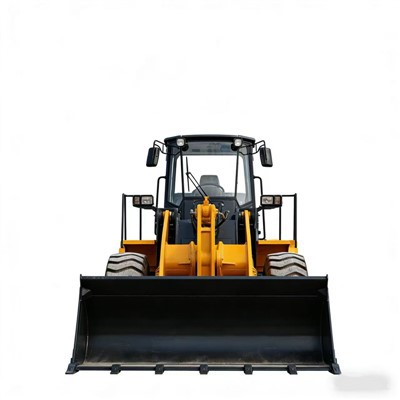
If you’re ready to stop scrolling through random used dozer listings and actually talk to someone who knows the braking system inside and out, hit us up. We can send you detailed spec sheets on each unit, let you schedule a test drive, and even bring a mechanic with you if you want. No pressure, no salesy nonsense, just straight talk about brakes, dozers, and what works for your project.
Shovel Transport Machinery References:
- Caterpillar. (2021). Hydraulic Brake Systems for Medium Dozers. Cat Construction Equipment Technical Notes.
- Komatsu. (2019). Mechanical vs. Wet Brakes in Used Dozers: Maintenance Guidelines. Komatsu Equipment Service Blog.
- National Heavy Equipment Operators Association. (2022). Pre-Purchase Inspection Checklist for Dozer Braking Systems. NHEOA Safety and Maintenance Manual.
Liangshan Guanyue Auto Trading Co., Ltd.
As one of the leading used bulldozer manufacturers and suppliers in China, we warmly welcome you to buy bulk high quality used bulldozer at low price from our factory. If you have any enquiry about pricelist and quotation, please feel free to email us.
Address: Liangshan County, Jining City, Shandong Province
E-mail: guanyuetruck@gmail.com
WebSite: https://www.gytruck.com/
