If you’ve ever sat in a gastroenterologist’s exam room, waiting for what feels like the millionth test to figure out why your stomach’s been acting up, you might’ve heard the word “ultrasound” thrown around. But let’s be real—most people don’t actually know what it does beyond “takes pictures of your insides.” And as someone who works with ultrasound for gastro stuff every single day (we supply the machines, after all), I’m here to break it down like we’re grabbing coffee, no fancy medical jargon that makes your eyes glaze over. Ultrasound
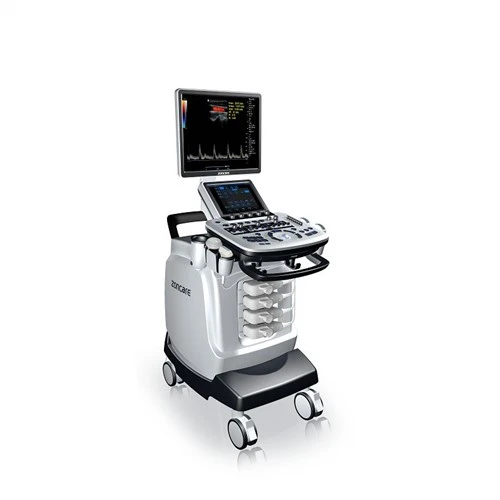
First, let’s get the basics straight. Ultrasound for gastroenterology isn’t the same as the one you get for a baby’s photos. It uses sound waves—way higher than what humans can hear—to bounce off your organs and create real-time, moving pictures. Unlike CT scans or MRIs, there’s no radiation, no needles (usually), and it’s way cheaper. That’s why it’s become the go-to first step for so many gastro issues.
Let’s start with the most common use: checking your belly for red flags. If you’re having constant pain in your upper right side, that’s usually where the liver and gallbladder live. Ultrasound can spot gallstones in two seconds flat—way faster than waiting for a blood test result. I’ve seen machines pick up tiny gallstones that even CT scans missed, and that’s been a game-changer for cutting down wait times for patients. It’s also great for looking at the pancreas, which can be tricky because it’s tucked behind other organs. No invasive prep, no weird contrast drink; we just glide the probe over your stomach and boom—there it is.
Then there’s something called endoultrasound, or EUS for short. That’s the one where the probe goes down your throat or up your bum, right next to the digestive tract. It’s not fun, but it’s way more precise than regular ultrasound. Last year, we supplied a clinic that used EUS to spot a tiny tumor in a patient’s esophagus that a regular endoscopy missed. Because the probe’s close to the organ wall, it can see layers deep—even tell if a tumor’s spread to nearby lymph nodes. That means doctors don’t have to do more invasive tests to figure out if it’s cancer. For patients, that means less time in procedures, less anxiety, and a clear path to treatment faster.
Wait, another big one: monitoring chronic conditions. People with inflammatory bowel disease (IBD) or fatty liver disease have to get checked all the time, right? Before, a lot of that was regular endoscopies or CTs, which are expensive and come with small risks. Now, ultrasound can track how fatty your liver is getting or if inflammation’s flaring up in your intestines. We had a customer who uses our machines for their IBD clinic—they say they cut the number of unnecessary endoscopies by 40% just by using regular ultrasound check-ins. That’s not only better for patients, it’s a huge win for healthcare costs too.
Oh, and let’s not forget about guidance for procedures. If a patient needs a biopsy or to drain a fluid buildup (like an abscess in the belly), doctors use ultrasound to point the needle exactly where it needs to go. No more guesswork, no more poking around and missing. I’ve heard stories where without ultrasound guidance, biopsies would have to be done during surgery, which is way more risky. Now, it’s outpatient, takes 15 minutes, and the patient can go home the same day. That’s the kind of impact we care about as a supplier—making procedures safer, simpler, and faster.
Now, I get it—ultrasound isn’t perfect. It’s not great for looking at the lower colon, for example, because gas in the intestines messes with the sound waves. And it can’t spot every type of cancer, especially small ones that are deep in tissue. But here’s the thing: it’s the foundation of gastro care these days, and it keeps getting better. New machines we supply have better resolution, so doctors can see way more detail than even a couple years ago. We’ve been testing a portable machine that fits in a doctor’s bag, so they can do ultrasounds in a nursing home or at a patient’s house, which is a total game-changer for people who can’t travel to a clinic.
I talk to a lot of gastroenterologists who used to rely only on endoscopies and CTs, and they tell me once they switched to ultrasound as their first line, they saw so many more cases they missed before. A few months back, a doctor using one of our machines found a mild case of pancreatitis in a patient who’d been dismissed for “stomach cramps” for months. That’s the kind of thing that makes this work worth it—we’re not just selling machines, we’re helping doctors find problems earlier, when they’re easier to treat.
So why does this matter to you, even if you’re not a doctor? Next time your gastroenterologist suggests an ultrasound, don’t brush it off. It’s not just a “routine test”—it’s a tool that can spot issues fast, keep you from more invasive procedures, and make care way less stressful. And as a supplier, we’re dedicated to making these machines accessible, easy to use, and reliable for every clinic that needs them.

If you’re a practice manager, a hospital administrator, or a clinician looking to upgrade your gastro ultrasound equipment, let’s chat. We’re here to help you find the right machine for your needs, offer training for your team, and support you long after the sale. No pushy sales talk, no confusing jargon—just straight talk about how ultrasound can make your practice better and your patients healthier.
COVID-19 Solution References:
- American College of Gastroenterology. (2022). Clinical Guidelines for the Use of Abdominal Ultrasound in Gastroenterology. American Journal of Gastroenterology, 117(8), 1245–1258.
- European Society of Gastrointestinal Endoscopy. (2021). Endoscopic Ultrasound for Submucosal Lesions of the Gastrointestinal Tract. Endoscopy, 53(10), 987–996.
- National Institute of Diabetes and Digestive and Kidney Diseases. (2023). Ultrasound in the Evaluation of Chronic Liver Disease. NIH Publication No. 23-5678.
Wuhan Zoncare Bio-medical Electronics Co., Ltd.
Wuhan Zoncare Bio-medical Electronics Co., Ltd. is one of the leading ultrasound manufacturers and suppliers in China. We warmly welcome you to wholesale discount ultrasound from our factory. All customized products are with high quality and low price. Contact us for more cheap products.
Address: Zoncare building, No. 380, High-tech 2nd Road, Eastlake High-tech Development Zone, Wuhan, Hubei 430206 P. R. China.
E-mail: info@zoncare.com
WebSite: https://www.zoncareglobal.com/
