If you’ve ever walked past a livestock pen, a secure perimeter fence for large property, or even a wildlife exclusion setup, odds are you’ve seen an electrified expanded fence at work. As a supplier who’s spent more than a decade refining these products for farmers, ranchers, and property owners, I’ve seen firsthand how a fence that’s installed safely and correctly can prevent predators from entering, keep livestock from wandering, and even provide a gentle warning to curious hikers. But I’ve also seen the mistakes—small, overlooked missteps during electrification that turn a useful tool into a hazard, or worse, a fence that fails when you need it most. Electrifying an expanded fence isn’t just about stringing a wire and flipping a switch. It’s about matching your setup to your specific needs, treating electricity with respect, and following practical, tested precautions that keep people, animals, and the fence itself safe. Expanded Fence

First, let’s start with the foundation: understanding why expanded fence is different from other types of fencing, because that difference changes every safety step. Expanded fence isn’t the woven wire or solid plank fencing most people are familiar with. It’s made from a single sheet of metal (usually galvanized steel, for rust resistance) that’s been punched and stretched into a mesh of uniform, diamond-shaped openings. That mesh is rigid, lightweight, and incredibly durable, which is why it’s my top pick for so many applications—from cattle ranching to construction site security to protecting backyard garden beds from deer. But its rigid, open structure means it conducts electricity differently than a smooth, solid wire fence. The metal struts of the expanded mesh create multiple contact points, which means the electric charge spreads more evenly, but it also means you have to be more careful about how you connect your energizer (the device that generates the electric pulse) to the fence. If you just hook one wire to a single post, you’re likely to get weak or intermittent current, because the expanded mesh won’t pull charge evenly along its length.
The first critical safety precaution is sizing your energizer properly to your expanded fence and your intended use. I can’t tell you how many times a customer has come to me with a story about buying a cheap, low-voltage energizer from a big-box store, only to find their expanded fence is zapping too weakly to stop deer or too strongly that it’s causing harm. Electrified fencing energizers are rated by joules, a unit that measures the energy of each pulse. For small applications, like a garden fence to keep rabbits out, a 0.1 to 0.5 joule energizer is enough—strong enough to startle a small animal, not enough to hurt a human if they accidentally touch it. For larger livestock, like cattle or horses, you need at least 1 to 2 joules, because those animals are bigger, have thicker fur, and are more likely to test the fence with force. For perimeter security or predator control against large animals like wolves or bears, you’ll need a 3 to 5 joule energizer, because those animals are persistent. Here’s the catch with expanded fence specifically: because it’s a metal mesh, it requires more charge to maintain consistent voltage across the entire fence, especially in cold or wet weather (when metal conducts electricity better, but also when animals are more likely to be near the fence). I always advise customers to oversize their energizer by about 20% if they’re using expanded fence, because the rigid mesh draws more current than a traditional wire fence. That small extra step prevents dead zones along the fence line and ensures you’re not wasting energy, but it also means you’re not underpowering your setup.
Next, grounding your energizer correctly—this is the most commonly messed up step, and it’s non-negotiable for safety. Electricity needs a complete circuit to work: it flows from the energizer, through the fence, into an animal or person that touches it, and back to the energizer through a ground system. If your ground is bad, two bad things happen: first, the fence won’t work as well, because the charge can’t complete the circuit, and second, the energizer can leak stray voltage into the ground, which can cause small, unnoticed shocks to people walking nearby, or even upset livestock. For expanded fence installations, the ground system has to be robust, because the metal mesh is in contact with the ground (if it’s at the base, which it usually is) so stray voltage is more likely to spread.
The rule of thumb for grounding an electric fence energizer is three ground rods, driven 8 feet into the ground, spaced at least 10 feet apart, and connected to the energizer with heavy-duty, insulated copper wire. For expanded fence, I always go a step further: I add an extra ground rod if the soil is sandy, rocky, or dry—those types of soil don’t conduct electricity well, so you need more rods to make a solid ground. I also recommend coating the base of your expanded fence with a layer of crushed rock or gravel along the bottom 6 inches. That keeps grass and weeds from growing between the mesh and the ground, which can create a barrier that traps moisture and prevents the mesh from being grounded. If grass does grow along the fence line, cut it back at least every two weeks—overgrown grass creates a short between the fence and the ground, which saps the energizer’s power and can cause stray voltage. Never use aluminum wire for your ground connections to the energizer; aluminum corrodes quickly, and corroded connections mean a bad ground. I’ve seen too many fences with aluminum ground wire that stopped working after a year because of rust, leaving livestock unprotected and creating a hidden safety hazard.
Once your energizer is sized and grounded, it’s time to connect it to your expanded fence, and that’s where more safety precautions come in. Expanded fence is usually mounted to wooden or metal posts, every 6 to 8 feet, depending on the height. When you’re adding the electric connection, you can’t just attach a single wire to one post and call it a day. That will leave sections of the expanded mesh far from the post with weak or no charge. Instead, you want to run a continuous high-tensile electric fence wire along the top, bottom, and middle of your expanded fence, securing it to each post with insulators. Insulators are non-conductive plastic or rubber pieces that keep the electric wire from touching the post (which is usually grounded) and wasting charge. For expanded fence, I recommend using heavy-duty insulators, because the rigid mesh can pull the wire tight, and cheap insulators crack, creating points where electricity can leak.
Wait—what about the expanded mesh itself? Can you electrify the mesh directly, without adding separate wires? That’s a question I get all the time, and the answer is: sometimes, but only if you take extra precautions. If your expanded fence is made of galvanized steel, you can connect the energizer directly to the mesh by securing the ground wire from the energizer to one post, then running the hot wire (the wire that carries the charge) along the mesh and crimping it to every other vertical bar of the expanded diamond mesh. But here’s the catch: if you electrify the mesh directly, you have to make sure the mesh isn’t touching any other metal objects—like nearby pipes, barn walls, or even other sections of fence. Metal-to-metal contact creates a short circuit, which will blow a fuse in your energizer, or worse, create a live metal object that can shock someone who touches it. If you’re electrifying the mesh, also add warning signs every 100 feet along the fence line, especially in areas where hikers or children might be present. Warning signs are not just a courtesy—they’re a legal requirement in many places, and they drastically reduce the chance of accidental contact.
Speaking of accidental contact: one of the biggest safety risks with electrified expanded fence is what happens if a person or animal touches the fence. The pulse from an electric fence energizer is designed to be non-lethal, but that doesn’t mean it’s harmless. For humans, a 1-joule pulse can cause a sharp, painful shock, especially if you touch it with a wet hand or a large part of your body. For small animals, like puppies or cats, even a low-voltage pulse can cause serious injury if they touch it repeatedly, because it can disrupt their heartbeat or breathing. That’s why another key precaution is adjusting the height of your expanded fence and the electric wires to prevent small animals from reaching the charge. For garden fences, run the bottom electric wire 2 inches above the ground, so rabbits can’t get under the mesh to touch it. For livestock, run the bottom wire 6 inches above the ground, so calves or small horses can’t lean under the mesh and touch it. If you have small children, consider adding an extra low-joule “warning” wire closer to the ground, so they get a mild shock before they can reach the higher, stronger part of the fence.
Weather is another factor that changes safety precautions for electrified expanded fence. I’ve seen fences work perfectly in the dry summer, only to fail during a cold winter or a heavy rainstorm. Cold weather makes metal expand, which can pull electric wires loose or break connections. Wet weather creates better conductivity, but it also means that moisture can run down the fence and create a path for electricity to leak to the ground. During the winter, check your fence connections every month to make sure wires aren’t frozen loose. During heavy rain, test your voltage every week—you can buy a cheap fence voltage tester at any farm supply store, and it will tell you if your fence is getting enough charge. If your voltage drops below 2,000 volts (the minimum needed to startle most animals), you’ll need to trim weeds around the base of the fence or check your ground rods to make sure they’re still in good contact with the soil.
Also, never mix electrified expanded fence with other types of fencing without caution. If you’re connecting your expanded fence to an existing wooden wire fence, make sure there’s a insulator between the two types of fencing. The existing fence might have grounded posts, so connecting it directly to your electrified mesh will create a short circuit and leave your expanded fence uncharged. If you’re using the fence near power lines, make sure the distance between the fence and the power lines is at least 10 feet, and check with your local power company before installing. I once had a customer who installed an expanded fence too close to a power line, and the electric fence caused a power outage for the entire neighborhood—needless to say, that’s a mistake he didn’t make again.
Another often-overlooked safety step is disconnecting the energizer when doing work on the fence. If you’re trimming the expanded mesh, repairing a broken section, or moving a post, always turn off and unplug the energizer, or disconnect the hot wire from the energizer. I’ve had friends who were injured while fixing a fence because they forgot to turn off the power—even a short pulse can cause a muscle spasm that makes you fall, especially if you’re working on a ladder or climbing over the fence. For that reason, I also recommend installing a lockable disconnect switch near the energizer, so only you or someone you trust can turn the power on and off. That prevents kids or trespassers from accidentally activating the fence.
Let’s talk about some common myths that lead to safety mistakes, because I hear these all the time from customers. One myth is: “Expanded fence is too conductive to electrify safely.” That’s not true—we’ve installed thousands of electrified expanded fences, and as long as you size the energizer correctly and ground it properly, it’s just as safe as any other type of electric fence. Another myth is: “Higher voltage is safer.” No—voltage alone doesn’t measure how strong the shock is. A low-joule, high-voltage energizer can give a sharp shock that’s more painful than a high-joule, lower-voltage energizer. The joule rating is what matters, because it measures the actual energy delivered to the animal or person. And finally, a lot of people think: “If the fence works on animals, it’s safe for humans.” That’s wrong. Humans are bigger, and our bodies conduct electricity differently than animals, so a shock that’s harmless to a cow can be painful or even dangerous to a small child or someone with a heart condition. That’s why I always recommend that customers who have high-joule energizers (for livestock or predator control) install a secondary, low-joule warning wire closer to the ground, and make sure the fence is clearly marked with warning signs.
At the end of the day, electrifying an expanded fence is about balance: you want it to be effective enough to do its job, but safe enough that no one gets hurt. I’ve spent years testing different setups, working with ranchers and property owners to find what works for their specific needs, and I can tell you that the most successful fences are the ones where every step is planned: sizing the energizer, grounding properly, connecting the wires with insulators, checking for shorts, and staying aware of the weather and surroundings. If you follow these precautions, your expanded fence will work reliably for years, keeping your property secure and everyone who comes near it safe.
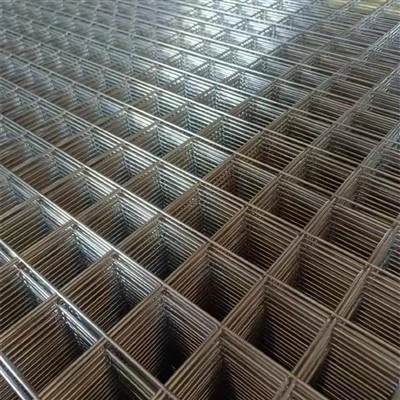
If you’re ready to install an electrified expanded fence for your property, or if you have questions about sizing, grounding, or choosing the right setup for your needs, don’t hesitate to reach out for a consult. We’ve worked with hundreds of customers to tailor electrified fence systems to their specific applications, from small backyard gardens to large ranch perimeters, and we’re happy to help you navigate every step. The most important part of any fence is not just how it performs—it’s how safe it is for everyone.
Crimped Wire Mesh References
- American Farm Bureau Federation. “Electric Fence Safety Guidelines.” Farm Safety Resource Center, 2022.
- National Institute for Occupational Safety and Health (NIOSH). “Electrical Safety for Agricultural Workers.” NIOSH Agriculture Safety and Health, 2021.
- International Society of Fence Builders. “Best Practices for Electrified Expanded Metal Fences.” Fence Industry Standards, 2023.
- USDA Natural Resources Conservation Service. “Grounding Systems for Electric Fences.” NRCS Agricultural Engineering Manual, 2020.
Anping Binze Wire Mesh Products Co., Ltd.
We are one of the most experienced expanded fence manufacturers and suppliers in China, also support customized service. Please feel free to buy high quality expanded fence for sale here from our factory. For price consultation, contact us.
Address: Taicheng Industrial Zone, Anping County, Hengshui City, Hebei Province
E-mail: binzemesh@outlook.com
WebSite: https://www.binze-mesh.com/
