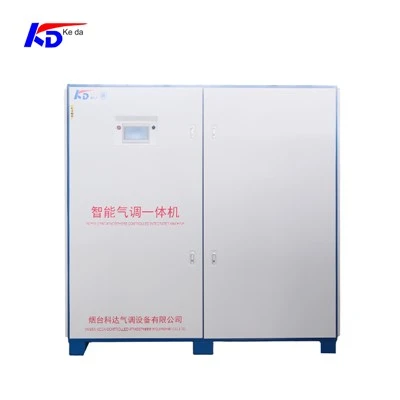
In the dynamic world of modern manufacturing and automation, Intelligent CA Integrated Machines (ICIM) have emerged as game – changers. As a supplier deeply involved in this field, I am often asked about what truly defines the power rating of these revolutionary machines. In this blog, I’ll delve into the intricacies of power ratings, explaining what it means for ICIMs and how it impacts their performance and application. Intelligent CA Integrated Machines
Understanding Power Rating Basics
Power rating, at its core, is a measure of the rate at which a machine can do work or consume energy. In the context of electrical machines like ICIMs, it is typically expressed in watts (W) or kilowatts (kW). A higher power rating generally indicates that a machine can perform tasks more quickly or handle more complex operations.
However, when it comes to ICIMs, the power rating is not just a simple numerical value. It is an amalgamation of multiple factors that contribute to the machine’s overall efficiency and productivity. These factors include the type of motors used, the complexity of the integrated control systems, and the nature of the tasks the machine is designed to perform.
Motors: The Heart of Power
The motors in ICIMs are the primary drivers of power. Different types of motors, such as servo – motors, stepper motors, and induction motors, have distinct power characteristics.
Servo – motors are known for their high precision and rapid response. They are capable of delivering high torque at low speeds, which is crucial for tasks that require fine – tuned movements, such as pick – and – place operations in electronics manufacturing. The power rating of servo – motors can vary significantly depending on their size and application requirements. Smaller servo – motors used in desktop robots may have power ratings in the range of a few tens of watts, while larger industrial – grade servo – motors can have ratings of several kilowatts.
Stepper motors, on the other hand, are often used in applications where precise positioning is needed without the need for continuous feedback. They operate in discrete steps and can provide relatively high torque at low speeds. The power rating of stepper motors is typically lower compared to servo – motors, often ranging from a few watts to a couple of hundred watts.
Induction motors are widely used in ICIMs due to their reliability and cost – effectiveness. They are suitable for applications that require continuous operation at a relatively constant speed. Induction motors can have power ratings from a few hundred watts to several megawatts, depending on the size and application of the machine.
Integrated Control Systems and Power Consumption
The control systems in ICIMs play a significant role in determining the power rating. These systems are responsible for coordinating the movements of different components of the machine and optimizing its performance.
Advanced control algorithms can significantly reduce power consumption by ensuring that the machine operates at its most efficient state. For example, predictive control algorithms can anticipate the load requirements of the machine and adjust the power output of the motors accordingly. This not only saves energy but also extends the lifespan of the motors and other components.
On the other hand, more complex control systems may require additional power to operate. The processors, sensors, and communication modules used in these systems all consume energy. Therefore, when designing ICIMs, manufacturers need to strike a balance between the functionality of the control systems and their power consumption.
Task – Specific Power Requirements
The power rating of an ICIM is also closely related to the tasks it is designed to perform. For example, a machine used for heavy – duty metal machining will require a much higher power rating than a machine used for light – weight assembly work.
In metal machining, high – power motors are needed to drive the cutting tools through hard materials at high speeds. The power requirements can further increase depending on the complexity of the machining operations, such as the number of axes of movement and the precision required.
In contrast, assembly machines used in industries like electronics or medical device manufacturing may have lower power requirements. These machines are designed to handle small and delicate components, and their power ratings are optimized for tasks such as gripping, placing, and soldering.
Importance of Power Rating in Machine Selection
For customers looking to purchase ICIMs, understanding the power rating is crucial. A machine with a power rating that is too low for the intended application will not be able to perform the tasks efficiently, leading to longer cycle times and lower productivity. On the other hand, a machine with a power rating that is too high may result in unnecessary energy consumption and higher operating costs.
When selecting an ICIM, customers should consider the specific requirements of their production processes, including the type of materials, the complexity of the operations, and the desired production volume. They should also take into account the potential for future expansion or changes in the production process. A machine with a slightly higher power rating than currently required may provide more flexibility in the long run.
Impact on Energy Efficiency and Sustainability
In today’s world, energy efficiency and sustainability are becoming increasingly important. The power rating of ICIMs has a direct impact on their energy consumption and environmental footprint.
Manufacturers of ICIMs are constantly working on developing technologies to improve energy efficiency. This includes the use of more efficient motors, advanced control algorithms, and energy – recovery systems. For example, some ICIMs are equipped with regenerative braking systems that can convert the kinetic energy of the moving components back into electrical energy and feed it back into the power grid or use it to power other parts of the machine.
By choosing ICIMs with an appropriate power rating and high energy efficiency, customers can not only reduce their operating costs but also contribute to a more sustainable future.
Our Commitment as a Supplier
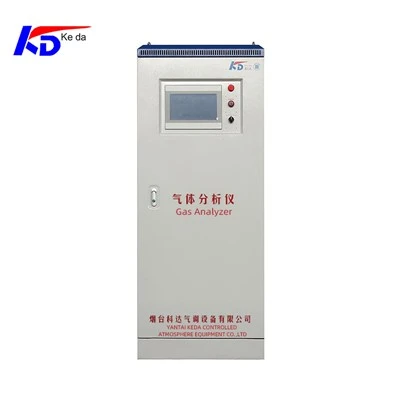
As a supplier of Intelligent CA Integrated Machines, we understand the importance of providing accurate information about power ratings to our customers. Our team of experts is dedicated to helping customers select the right machines for their specific applications.
We offer a wide range of ICIMs with different power ratings and capabilities, ensuring that we can meet the diverse needs of our customers. Before recommending a machine, we conduct a detailed analysis of the customer’s production process, taking into account factors such as the type of materials, the required precision, and the production volume.
We also provide ongoing support and training to our customers to ensure that they can operate and maintain the machines efficiently. Our goal is to help our customers achieve maximum productivity while minimizing energy consumption and operating costs.
Connect with Us for Purchase and Consultation
Oxygen Adsorbers Interested in learning more about the power ratings of our Intelligent CA Integrated Machines and how they can benefit your business? We are here to assist you. Whether you have questions about specific models, need help in selecting the right machine for your application, or want to discuss potential customization options, our sales and engineering teams are ready to engage.
Our in – depth knowledge of ICIMs and their power requirements enables us to provide you with accurate and detailed information. We believe that by working closely with our customers, we can help them make informed decisions and achieve their production goals. So, don’t hesitate to reach out. Let’s start a conversation about how our Intelligent CA Integrated Machines can elevate your manufacturing processes.
References
- Chapman, S. J. (2012). Electric Machinery Fundamentals. McGraw – Hill.
- Dorf, R. C., & Bishop, R. H. (2011). Modern Control Systems. Pearson.
- Krause, P. C., Wasynczuk, O., & Sudhoff, S. D. (2013). Analysis of Electric Machinery and Drive Systems. Wiley.
Yantai Keda Zhixian International Trade Co., Ltd.
As one of the leading manufacturers and suppliers of intelligent ca integrated machines in China, we have world-leading production equipment and strong manufacturing capabilities. Please feel free to buy high-grade intelligent ca integrated machines for sale here from our factory.
Address: No.18-2, Wuhan St, Yantai ETDZ, Yantai, Shandong, China
E-mail: ytkeda2026@163.com
WebSite: https://www.kedacastorage.com/
