Can an Eco Solvent Printer be used for printing on leather?
As a supplier of eco solvent printers, I often get asked whether our printers can be used for printing on leather. This is an interesting question that delves into the capabilities of our technology and the potential of different applications. In this blog post, I’ll explore the feasibility of using an eco solvent printer for leather printing, discuss the advantages and challenges, and provide some insights into best practices. Eco Solvent Printer
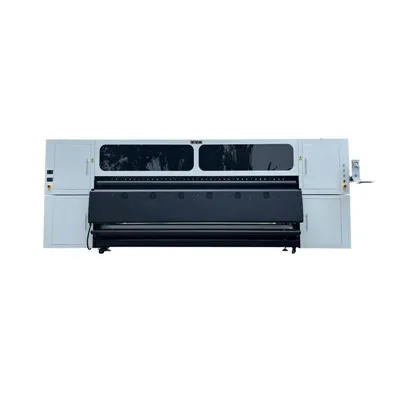
Understanding Eco Solvent Printers
First, let’s briefly understand what eco solvent printers are. Eco solvent printers use eco solvent inks, which are a more environmentally friendly alternative to traditional solvent inks. These inks have lower levels of volatile organic compounds (VOCs), which means they emit fewer harmful fumes during the printing process. They are also known for their excellent adhesion, durability, and color vibrancy, making them suitable for a wide range of materials, including vinyl, banners, and fabrics.
The Feasibility of Printing on Leather
Leather is a versatile and durable material that has been used for centuries in various applications, from fashion and accessories to furniture and automotive interiors. The question is whether an eco solvent printer can effectively print on leather. The short answer is yes, it is possible. Eco solvent inks have good adhesion properties, which allow them to bond well with leather surfaces. However, there are several factors to consider before attempting to print on leather using an eco solvent printer.
Leather Type
The type of leather plays a crucial role in the printing process. Different types of leather, such as full – grain, top – grain, and corrected – grain leather, have different surface characteristics. Full – grain leather has a natural and untreated surface, which may absorb the ink differently compared to corrected – grain leather, which has a more artificial and consistent surface. Vegetable – tanned leather and chrome – tanned leather also have different porosities and chemical compositions, which can affect ink penetration and drying.
Surface Preparation
Proper surface preparation is essential for successful leather printing. Leather surfaces need to be clean, dry, and free from any dirt, oils, or coatings. Depending on the leather type, it may be necessary to pre – treat the surface. For example, some leathers may require a light sanding to create a rough surface for better ink adhesion, while others may need a chemical treatment to reduce oiliness.
Ink Compatibility
It is crucial to ensure that the eco solvent inks are compatible with the leather. Some leather may react with certain ink components, leading to discoloration, cracking, or poor adhesion. It is recommended to test the inks on a small, inconspicuous area of the leather before starting a full – scale printing project. Different eco solvent inks may have different formulations, and it’s important to choose inks that are specifically designed for leather printing or have been tested on leather.
Advantages of Using Eco Solvent Printers for Leather Printing
If the printing process is carried out correctly, using an eco solvent printer for leather printing offers several advantages.
High – Quality Prints
Eco solvent printers can produce high – resolution, detailed, and colorful prints on leather. The inks provide vibrant colors and excellent image clarity, which is perfect for creating detailed designs, logos, or patterns on leather products. This can add value to leather goods, making them more attractive to consumers.
Durability
The prints made with eco solvent inks are known for their durability. They are resistant to fading, scratching, and abrasion, which is important for leather products that are likely to come into contact with various surfaces and experience wear and tear. This means that the printed designs on leather will last longer, maintaining their visual appeal over time.
Flexibility
Eco solvent printers offer flexibility in terms of design. They can print on different shapes and sizes of leather pieces, allowing for customization of leather products. Whether it’s a small leather wallet or a large leather sofa cover, the printer can handle a wide range of dimensions and printing requirements.
Challenges in Leather Printing with Eco Solvent Printers
While there are many advantages, there are also some challenges associated with using eco solvent printers for leather printing.
Drying Time
Leather is a porous material, and the eco solvent inks need to penetrate and dry properly on the surface. Drying times can be longer compared to printing on other materials, such as vinyl. This can slow down the production process, especially for large – scale printing jobs. Additionally, if the ink does not dry completely, it can smudge or transfer to other surfaces during handling.
Cost
The cost of using an eco solvent printer for leather printing can be relatively high. The leather itself is often an expensive material, and the cost of eco solvent inks can also add up. Moreover, if special pre – treatment or post – treatment processes are required for the leather, it will further increase the overall cost of production.
Best Practices for Printing on Leather with Eco Solvent Printers
To achieve the best results when printing on leather with an eco solvent printer, here are some best practices:
Test and Sample
Always start with a small test sample. Print a few designs on a scrap piece of leather to evaluate the ink adhesion, color accuracy, and drying time. This will help you identify any potential issues and make necessary adjustments before starting a full – scale production.
Control the Environment
The printing environment can significantly affect the printing process. Maintain a stable temperature and humidity level during printing. High humidity can slow down the drying process, while low humidity can cause the ink to dry too quickly and affect the print quality.
Use Proper Maintenance
Regularly maintain your eco solvent printer to ensure its optimal performance. This includes cleaning the print heads, replacing ink cartridges when necessary, and calibrating the printer for accurate color reproduction.
Conclusion
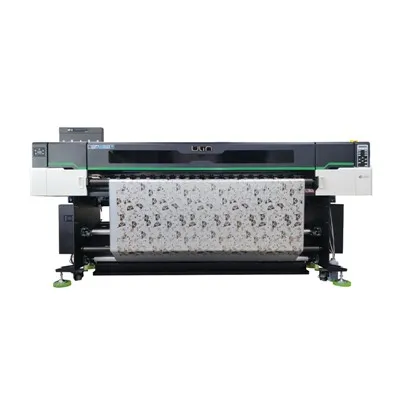
In conclusion, an eco solvent printer can be used for printing on leather, but it requires careful consideration of various factors, including leather type, surface preparation, ink compatibility, and the printing environment. When done correctly, it offers high – quality, durable, and customizable prints that can enhance the value of leather products. As a supplier of eco solvent printers, we are committed to providing you with the best equipment and support to help you achieve successful leather printing results.
Sublimation Printer If you are interested in learning more about using our eco solvent printers for leather printing or exploring other printing applications, we encourage you to contact us for a detailed discussion. Our team of experts is ready to assist you in finding the most suitable printing solutions for your needs.
References
- "Leather Technology Handbook" by John H. Sharphouse
- "Eco – Solvent Printing: A Comprehensive Guide" by industry research publications
- Technical manuals and documentation from eco – solvent printer manufacturers
Hangzhou Yulan Technology Co., Ltd.
Hangzhou Yulan Technology Co., Ltd. is one of the most professional eco solvent printer manufacturers and suppliers in China. With abundant experience, we warmly welcome you to wholesale the newest eco solvent printer in stock here from our factory. Good service and quality products are available.
Address: Building, No.128 Rihui Road, Linping District, Hangzhou, China.
E-mail: ulinprint@gmail.com
WebSite: https://www.ulinprinter.com/
