As a supplier of flame retardant labels, I’ve often been asked a question that combines two seemingly disparate worlds: Can flame retardant labels be used on food packaging? This is a complex issue that involves considerations from multiple aspects, including safety, regulations, and consumer acceptance. Let’s delve into this topic to explore the possibilities and limitations. Flame Retardant Labels
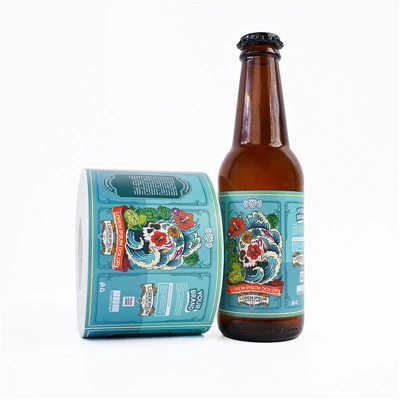
Understanding Flame Retardant Labels
Flame retardant labels are designed to reduce the flammability of materials and slow down the spread of fire. They are commonly used in various industries, such as electronics, construction, and automotive, to enhance safety in case of a fire. These labels typically contain chemicals that can interrupt the combustion process, either by releasing non – flammable gases or by forming a protective layer on the surface of the material.
The most common flame retardant chemicals include brominated flame retardants (BFRs), phosphorus – based flame retardants, and inorganic flame retardants like aluminum hydroxide. Each type has its own properties and effectiveness, but they all share the goal of reducing fire risks.
Safety Concerns for Food Packaging
When it comes to using flame retardant labels on food packaging, safety is the primary concern. Food packaging is in direct contact with food, and any chemicals from the labels could potentially migrate into the food and pose a risk to human health.
Brominated flame retardants, for example, have been a subject of controversy. Some BFRs are persistent organic pollutants (POPs) that can bioaccumulate in the environment and in the human body. They have been associated with various health problems, including endocrine disruption, neurodevelopmental issues, and cancer. As a result, many countries have restricted or banned the use of certain BFRs in consumer products.
Phosphorus – based flame retardants are generally considered to be less hazardous than BFRs, but some of them may also have potential health risks. For instance, some organophosphate flame retardants have been linked to adverse effects on the nervous system and reproductive health.
Inorganic flame retardants like aluminum hydroxide are often considered to be safer because they are less likely to release harmful chemicals. However, even these substances need to be carefully evaluated for their potential impact on food safety.
Regulatory Landscape
Regulations play a crucial role in determining whether flame retardant labels can be used on food packaging. Different countries and regions have their own sets of rules and standards regarding food contact materials.
In the United States, the Food and Drug Administration (FDA) regulates food contact substances. Any material that comes into contact with food, including labels, must be approved by the FDA. The FDA has specific requirements for the safety of these materials, and they conduct risk assessments to ensure that the chemicals used in the labels do not migrate into the food at levels that could be harmful to consumers.
In the European Union, the European Food Safety Authority (EFSA) is responsible for evaluating the safety of food contact materials. The EU has strict regulations on the use of chemicals in food packaging, and it has banned or restricted the use of many substances that are considered to be hazardous.
Other countries also have their own regulatory frameworks. For example, China has its own set of standards for food contact materials, and companies need to comply with these standards when using flame retardant labels on food packaging.
Potential Applications and Alternatives
Despite the safety and regulatory challenges, there may be some potential applications for flame retardant labels on food packaging. For example, in some high – risk environments, such as industrial kitchens or food processing facilities where there is a risk of fire, flame retardant labels on food packaging could provide an additional layer of safety.
However, before using flame retardant labels on food packaging, it is essential to conduct thorough testing to ensure that the labels meet the relevant safety standards. This may involve testing the migration of chemicals from the labels into the food under different conditions, such as different temperatures and storage times.
If the use of traditional flame retardant labels is not feasible due to safety concerns, there are some alternatives. For example, some companies are developing labels made from inherently flame – resistant materials, such as certain types of paper or polymers. These materials do not require the addition of flame retardant chemicals, which can eliminate the potential risk of chemical migration.
Consumer Perception
Consumer perception is another important factor to consider. In today’s market, consumers are becoming more aware of the potential health risks associated with chemicals in food packaging. They may be hesitant to purchase products with flame retardant labels on the packaging, even if the labels are proven to be safe.
As a supplier, it is important to communicate the safety of the flame retardant labels to consumers. This can be done through clear labeling and providing information about the testing and certification of the labels. By building trust with consumers, we can increase the acceptance of flame retardant labels on food packaging.
Conclusion
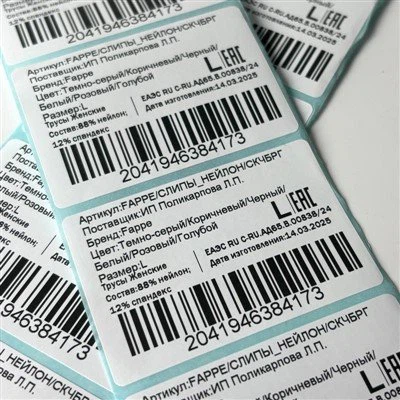
In conclusion, the use of flame retardant labels on food packaging is a complex issue that requires careful consideration of safety, regulations, and consumer perception. While there are potential applications for these labels in high – risk environments, it is essential to ensure that they meet the relevant safety standards and do not pose a risk to human health.
Cable Labels As a supplier of flame retardant labels, we are committed to providing high – quality and safe products. We work closely with our customers to understand their needs and help them find the best solutions for their food packaging. If you are interested in learning more about our flame retardant labels or discussing potential applications for food packaging, please feel free to contact us for a procurement discussion. We look forward to working with you to enhance the safety of your food products.
References
- European Food Safety Authority. (2016). Scientific Opinion on the safety evaluation of certain brominated flame retardants.
- U.S. Food and Drug Administration. (2020). Guidance for Industry: Preparation of Food Contact Notification Submissions.
- World Health Organization. (2017). Persistent Organic Pollutants: A Global Issue, A Global Response.
Huizhou Yufeng New Materials Co., Ltd.
Huizhou Yufeng New Materials Co., Ltd. is one of the most experienced flame retardant labels manufacturers and suppliers in China, featured by quality products and good price. Please feel free to wholesale durable flame retardant labels for sale here and get pricelist from our factory. We also accept customized orders.
Address: 9th Floor, Building A9, Zhongchuang Yingke New Generation Industrial Park, Tonghu Town, Huicheng District, Huizhou City
E-mail: liangjun@kaiyudianzi.com
WebSite: https://www.yufengstickers.com/
